




When a child is in distress, the rules are different. An infant’s body is not just a smaller version of an adult’s, and the techniques used to help them in an emergency are highly specific. Performing adult CPR on a child can be ineffective and even cause harm. That’s why a specialized pediatric first aid cpr class is so essential for anyone who cares for kids. This training focuses on the crucial distinctions, teaching you how to handle choking in an infant, perform CPR on a small child, and use an AED with pediatric pads. It equips you with the precise skills needed to save a little life.
Key Takeaways
- Learn skills specific to children: Pediatric first aid goes beyond standard CPR, teaching you how to respond to emergencies like choking, allergic reactions, and seizures in infants and children. The techniques are different, and this specialized training prepares you for real-world situations.
- Choose a course with hands-on practice: While online modules offer convenience, a valid certification requires an in-person skills session. Practicing on manikins with instructor feedback is the only way to build the muscle memory and confidence needed to act effectively in a crisis.
- Plan to renew your certification every two years: Your certification is valid for two years because life-saving guidelines evolve and skills can fade. Scheduling a renewal course ensures your knowledge is current and you remain prepared, which is essential for meeting workplace requirements and protecting the kids in your care.
What is a Pediatric First Aid CPR Class?
A Pediatric First Aid CPR class is specialized training designed to give you the skills and confidence to respond to life-threatening emergencies involving infants and children. Because a child’s body is different from an adult’s, the techniques for providing aid are also different. This course focuses on those key distinctions. The American Heart Association’s Heartsaver Pediatric First Aid CPR AED course is designed to teach caregivers how to handle illnesses and injuries in the critical first few minutes before professional help arrives. It’s all about being prepared to act decisively when a child in your care needs you most.
Key Skills You’ll Learn
This course goes far beyond basic CPR. You’ll learn how to recognize and respond to a wide range of pediatric emergencies. The training covers serious medical issues like shock, seizures, and head injuries, as well as practical prevention strategies for situations like drowning. You’ll also get hands-on practice showing you how to manage common emergencies that happen in daily life. This includes controlling bleeding, responding to allergic reactions (including how to use an epinephrine auto-injector), handling asthma attacks, treating burns, and helping a choking infant or child. You’ll leave the class equipped with a comprehensive set of skills to protect the little ones in your life.
Who Should Get Certified?
If you are responsible for a child’s safety, this certification is for you. The training is essential for anyone who takes care of children, from professionals to family members. This includes childcare providers, teachers, camp counselors, and coaches who need to meet workplace requirements. It’s also incredibly valuable for parents, new and experienced alike, as well as grandparents, babysitters, and nannies. Gaining these skills provides not only a safer environment for children but also peace of mind for the adults who care for them. It’s a proactive step anyone can take to be prepared for the unexpected.
Common Myths About Pediatric CPR
Many people feel hesitant about learning CPR, often due to a few persistent myths. One of the biggest is that CPR should only be performed by medical professionals. In reality, these techniques are designed for anyone to use effectively. Another concern is the fear of legal trouble for trying to help. Fortunately, Good Samaritan laws exist in all states to protect individuals who provide reasonable assistance in an emergency. Some also worry about contracting an illness, but the risk is extremely low, and modern training emphasizes hands-only CPR and the use of breathing barriers. Don’t let these myths stop you from learning skills that could save a child’s life.
What Does a Pediatric CPR Course Cover?
A pediatric first aid and CPR course is designed to give you the skills and confidence to handle the most common emergencies affecting children. Because a child’s body is different from an adult’s, the techniques you learn are specifically adapted for their smaller size and unique needs. The training goes far beyond basic CPR, covering a wide range of situations you might encounter as a parent, teacher, or caregiver. From choking incidents to allergic reactions, a quality course prepares you to act decisively when it matters most.
Infant CPR (0-12 months)
When a baby needs help, every second counts. This part of the course focuses on how to respond to an infant who is unresponsive or not breathing. You’ll learn the specific techniques for babies under one year old, which are much gentler than adult CPR. The training covers how to properly position an infant, check for responsiveness, and perform chest compressions using just two fingers. You’ll also practice rescue breaths tailored for their tiny lungs. The goal is to equip you with the skills to provide critical support in the first few minutes of an emergency, creating a vital bridge until professional medical help arrives.
Child CPR (1-8 years)
As children grow, the CPR techniques used to help them also change. This module covers how to perform CPR on children from age one up to puberty. You’ll learn how to adapt your approach based on the child’s size, including whether to use one or two hands for chest compressions. The course emphasizes the correct depth and rate of compressions to be effective without causing injury. Instructors will guide you through performing rescue breaths and explain the key differences between child and infant anatomy. This hands-on practice ensures you understand how to apply the right skills for the right age group.
Responding to Choking
Choking is a common and terrifying emergency for any caregiver, and knowing how to respond is a critical life-saving skill. A pediatric first aid course provides specific training on how to identify the signs of choking in both infants and children. You’ll learn and practice the distinct techniques for each age group. For infants, this involves a sequence of five back blows and five chest thrusts. For children, you’ll learn how to properly administer abdominal thrusts (the Heimlich maneuver). This hands-on training helps build the muscle memory you need to act quickly and effectively if a child’s airway becomes blocked.
Handling Allergic Reactions & Other Emergencies
A comprehensive pediatric course prepares you for more than just breathing and cardiac emergencies. You’ll learn how to recognize and manage a variety of common childhood medical issues. This includes identifying the signs of a severe allergic reaction (anaphylaxis) and learning the proper steps to administer an epinephrine auto-injector. The training also covers first aid for situations like asthma attacks, seizures, serious bleeding, burns, and insect bites. This knowledge gives you a well-rounded ability to handle many of the urgent health situations a child might face, providing you with true peace of mind.
How to Choose Your Pediatric CPR Certification
Choosing a pediatric CPR certification comes down to finding a program that fits your needs and learning style. Whether you’re a parent, a daycare provider, or a healthcare professional, the best course is one that leaves you feeling confident and prepared. Reputable organizations focus on hands-on practice and realistic scenarios, because that’s what builds the muscle memory you need in an emergency. Let’s look at a few of the leading options to help you decide.
CPR1.com Training Programs
Our pediatric CPR courses are designed for everyone from parents to medical staff. What makes our training unique is our instructors. Many have backgrounds in Fire, EMS, and healthcare, bringing invaluable real-world experience to the classroom. Our courses are hands-on and energetic, focusing on building the practical skills and confidence you need to act decisively. We go beyond just checking a box for compliance; our goal is to ensure you feel truly prepared to handle a crisis involving a child or infant. You’ll leave our class feeling capable and ready to respond.
American Heart Association (AHA) Options
The American Heart Association is a leader in resuscitation science. They offer several pediatric courses, including the Heartsaver Pediatric First Aid CPR AED class, which is great for childcare workers and community members. For medical professionals, they provide the more advanced PALS certification. The AHA is known for its evidence-based approach, with materials that reflect the latest scientific guidelines. Their programs emphasize high-quality CPR and often use a blended learning format, combining online work with an in-person skills session to accommodate busy schedules.
American Red Cross (ARC) Options
The American Red Cross is another highly respected organization. Their Pediatric First Aid/CPR/AED courses are designed to be accessible for everyone, from family members to professionals who work with children. The curriculum focuses on developing practical skills in a supportive, low-stress environment. You’ll learn to recognize and respond to a wide range of emergencies, from choking to cardiac arrest in infants and children. The Red Cross emphasizes hands-on practice, giving you plenty of time with manikins to build confidence for a real-life situation.
Finding the Right Class Format
Choosing the right class format is just as important as choosing the right provider. Your learning style, schedule, and certification requirements all play a role in finding the perfect fit. Some people thrive in a classroom setting, while others need the flexibility of online learning. The good news is that you have options. Most pediatric first aid and CPR training falls into one of three categories: fully in-person, fully online, or a blended model that combines both. Understanding the pros and cons of each will help you make a confident decision and ensure you get the skills you need to act when it matters most. Let’s walk through what each format offers so you can find the one that works best for you.
In-Person, Hands-On Training
If you want to build real-world confidence, nothing beats in-person training. This traditional classroom format allows you to learn and practice skills under the direct supervision of a certified instructor. You’ll work with manikins, ask questions in real-time, and get immediate feedback on your technique. The American Heart Association emphasizes that this type of Heartsaver® Pediatric First Aid CPR AED Training teaches you how to respond effectively in the critical first few minutes of an emergency. This hands-on approach is designed to build muscle memory, so your skills feel automatic when you need them. It’s the gold standard for a reason and is often required for workplace or state licensing compliance.
Fully Online Courses
Fully online courses offer incredible flexibility, allowing you to learn the theoretical parts of CPR and first aid from anywhere, at any time. You can watch videos, read materials, and take quizzes at your own pace. However, their biggest advantage is also their most significant drawback: the lack of hands-on practice. As Emergency First Response points out, the only way to truly learn CPR properly is through physical skill practice. Without an instructor to correct your hand placement or compression depth, it’s difficult to know if you’re performing the techniques correctly. For this reason, many employers and licensing bodies do not accept online-only certifications.
Blended Learning Options
Blended learning offers the best of both worlds. This popular format combines the convenience of online learning with the essential practice of an in-person class. You’ll complete the knowledge-based portion of the course online, covering topics like emergency assessment and choking response on your own schedule. Then, you’ll attend a shorter, in-person session to practice your skills with an instructor. This approach gives you a mix of online learning and a hands-on session, ensuring you get the practical experience needed to earn a valid certification. It’s an efficient and effective option for busy parents, caregivers, and professionals who need flexibility without sacrificing quality.
How Much Does Pediatric CPR Certification Cost?
Investing in a pediatric CPR certification is one of the most valuable decisions you can make, but it’s natural to wonder about the cost. The good news is that becoming certified is more accessible than you might think. Prices can vary depending on the training provider, your location, and the specific course you choose, but they are generally quite affordable. The two biggest factors that influence the final cost are the training format—whether it’s fully in-person, online, or a blended model—and whether you’re signing up as an individual or with a group.
For example, a comprehensive, hands-on class might cost more than a basic online-only refresher. It’s also important to check what’s included in the price. Does it cover the digital or physical certification card, student manuals, and any necessary equipment? Reputable providers are transparent about their pricing, so you won’t run into surprise fees. By understanding these options, you can find a high-quality, accredited course that fits your budget and gives you the hands-on skills needed to respond confidently in an emergency. Let’s break down what you can expect to pay and how you can find the best value for your training.
Pricing by Training Format
The way your class is delivered plays a big role in its price. Fully online courses tend to be the most budget-friendly option, as they have lower overhead costs for the provider. Blended learning, which combines online coursework with a shorter in-person skills session, often falls in the middle. Traditional, fully in-person classes are typically the most expensive, but they provide the most hands-on practice and direct interaction with an instructor. You can generally expect to find individual certification courses ranging from about $35 to $75. When comparing prices, make sure you’re looking at programs that offer a nationally recognized certification to meet any workplace or licensing requirements.
Group Rates and Potential Discounts
If you’re looking to train your team at a school, daycare, or business, you’re in luck. Most training providers, including us, offer significant discounts for groups. Arranging an onsite training session for your staff is not only convenient but also one of the most cost-effective ways to get everyone certified. The savings can be substantial, sometimes reducing the per-person cost significantly. This makes it much easier to ensure your entire team is compliant and prepared to handle an emergency. When you reach out to a provider, always ask about their group rates and what’s included in the package to ensure you get the best deal for your organization.
What to Expect in Your Pediatric CPR Class
Walking into a Pediatric CPR class for the first time can feel a little intimidating, but it’s designed to be a supportive, hands-on experience. The goal isn’t to lecture you, but to build your confidence and muscle memory so you can act effectively in a real emergency. Our instructors, many of whom are firefighters, paramedics, and nurses, create a comfortable environment where you can ask questions and practice until you feel ready.
A typical class moves from demonstration to your own hands-on practice. You won’t just watch a video; you’ll be on the floor working with manikins, learning the specific rhythm of compressions, and understanding the feel of delivering rescue breaths. The course is structured to give you practical skills for responding to the most common pediatric emergencies, from choking to cardiac arrest. You’ll work through realistic scenarios that prepare you for the unexpected, ensuring you leave with the ability to help a child when it matters most. The session wraps up with a skills evaluation to confirm you’ve mastered the techniques and are ready to receive your certification.
Hands-On Practice with Manikins
The most important part of any CPR class is the hands-on practice. You’ll work with both infant and child manikins to learn the correct techniques for each age group. This is where you’ll discover the proper hand placement and learn exactly how hard to press for effective chest compressions. This practical experience is crucial for building the muscle memory you’ll rely on in a stressful situation. Your instructor will provide direct feedback, helping you adjust your technique to get the rate and depth just right. This guided practice ensures you leave the class not just knowing the steps, but feeling confident in your ability to perform them correctly.
Learning to Use an AED on Children
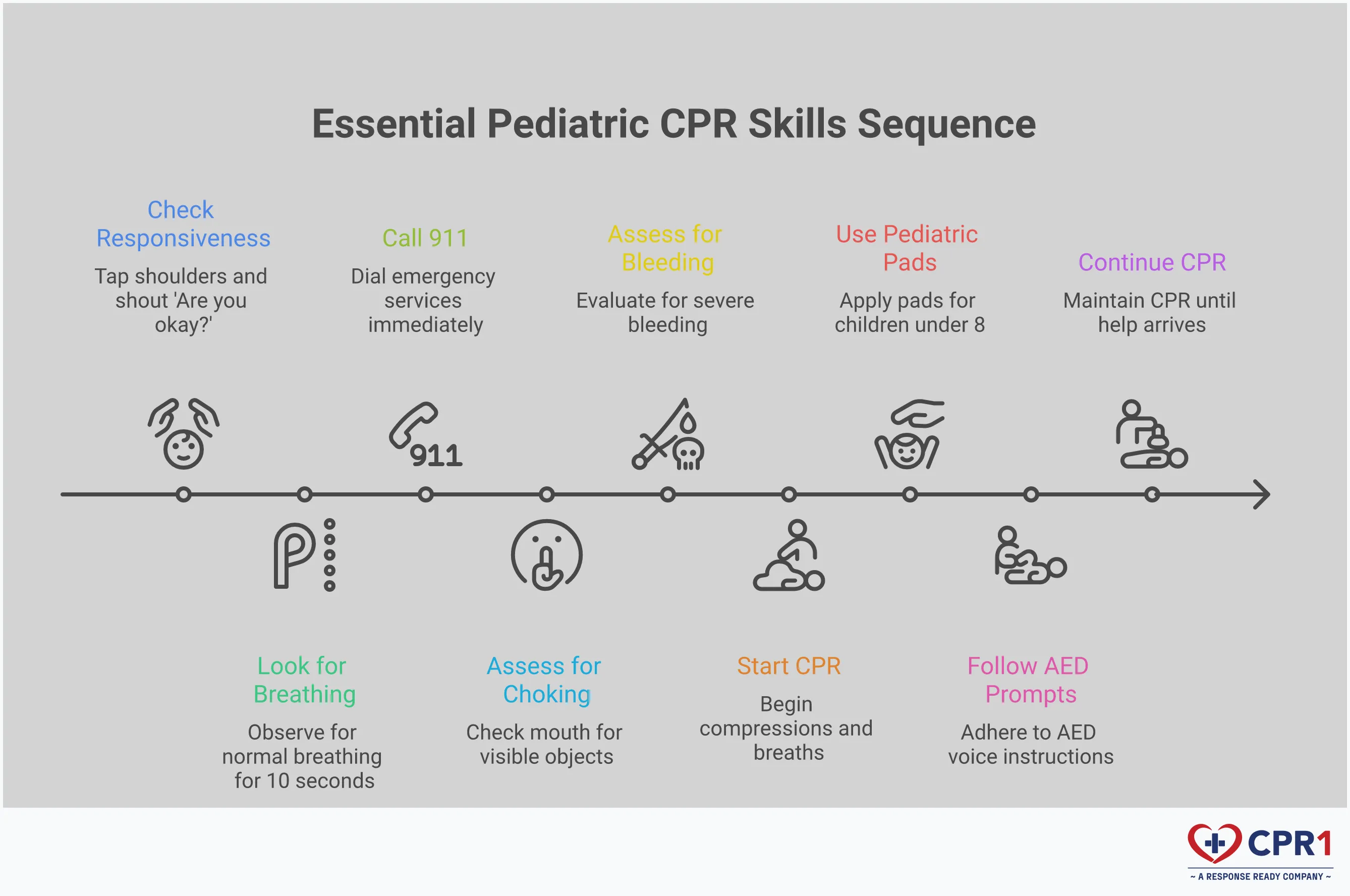
Sudden cardiac arrest can happen to children, and using an Automated External Defibrillator (AED) can dramatically increase their chance of survival. Your pediatric CPR class will teach you how to use an AED on both infants and children. You’ll learn how to recognize when an AED is needed, how to apply the pediatric pads correctly, and how to follow the device’s simple voice commands. Modern AED devices are designed to be user-friendly, but training is key to using one quickly and without hesitation. Practicing with a training unit in class removes the fear of the unknown and prepares you to use this life-saving tool effectively.
Skills Testing for Certification
At the end of your course, you’ll complete a skills test to earn your certification. This isn’t a written exam, but a practical demonstration of the skills you’ve just learned. Your instructor will give you a scenario, and you’ll perform the steps of CPR and use a training AED on a manikin. This final check ensures you can put all the pieces together in the correct sequence. It’s the best way to confirm that you are truly prepared to respond in an emergency. Passing this test is what makes your CPR certification a credential you and others can trust.
Meeting Workplace and Licensing Requirements
For many professionals, getting a pediatric first aid and CPR certification isn’t just a personal choice, it’s a professional necessity. State licensing boards, employers, and regulatory bodies often mandate this training to ensure a safe environment for children. Whether you work in a daycare, a school, or a healthcare setting, holding a valid certification is a key part of your job responsibilities and a critical component of your organization’s compliance plan. Understanding these requirements helps you stay current in your field and guarantees you have the skills needed to protect the children in your care.
Childcare Licensing Standards
If you work with young children, your state almost certainly requires you to have pediatric first aid and CPR training. Childcare licensing standards are in place to create a safe setting, and having properly trained staff is a cornerstone of these rules. This training gives you the specific skills to handle common childhood emergencies, from choking to allergic reactions. Completing a certified course is a non-negotiable step for meeting these standards and ensuring your facility is a safe place for every child. Our onsite group training makes it simple to get your entire team certified and compliant.
School and Daycare Compliance
From preschools to high schools, educational institutions are responsible for student safety. To meet state regulations and internal safety protocols, schools require teachers, coaches, administrative staff, and volunteers to be certified in pediatric CPR and first aid. This ensures that a trained responder is always nearby, whether in the classroom, on the playground, or at an athletic event. Having certified staff is a fundamental part of a school’s emergency action plan and demonstrates a commitment to protecting its students. This training is designed to give anyone who cares for children the confidence to act when it matters most.
Healthcare Facility Regulations
In pediatric clinics, hospitals, and other healthcare environments, staff training requirements are especially strict. While clinical staff often need advanced certifications like Basic Life Support (BLS), many facilities mandate pediatric first aid and CPR for all employees who interact with children and families. This training is essential for complying with both state and federal guidelines that govern patient safety. It ensures every team member, regardless of their specific role, can provide immediate care in an emergency, maintaining a secure environment for the youngest patients. Fulfilling these training requirements is a critical part of professional healthcare.
Why Get Certified? The Key Benefits
Deciding to get your Pediatric First Aid and CPR certification is about more than just checking a box. It’s an investment in your skills, your career, and your ability to protect the children in your life. When an emergency happens, having the right training gives you the power to act decisively and make a real difference. Let’s explore some of the most important reasons to get certified.
Gain Confidence in an Emergency
It’s completely normal to feel panicked or helpless when a child is choking or unresponsive. The single biggest benefit of certification is replacing that fear with confidence. Through hands-on training, you build muscle memory and a clear understanding of what to do, step by step. Instead of freezing, you’ll be able to assess the situation and start providing care immediately. By understanding the basics of CPR and first aid, you gain the competence to be a true first responder for a child in need. This training empowers you to be a calm, reassuring presence in a moment of crisis, which can make all the difference for a child and their family.
Advance Your Career
For many professionals who work with children, pediatric CPR and first aid certification isn’t just a good idea; it’s a requirement. This course is designed to meet the regulatory requirements for child care workers, teachers, and camp counselors in all 50 states. Having a valid certification on your resume makes you a more qualified and attractive candidate for any role involving kids. It shows employers that you are responsible, prepared, and committed to safety. Whether you’re just starting your career or looking to advance, this credential demonstrates a professional standard of care that organizations value highly. It’s a practical skill that directly supports your workplace safety compliance.
Peace of Mind for Parents and Caregivers
As a parent, grandparent, or babysitter, nothing is more important than the safety of the children you love. Accidents can happen in an instant, from falls and allergic reactions to choking incidents. Getting certified gives you the invaluable peace of mind that comes from knowing you are prepared to handle these emergencies. You can get your whole family and your children’s caregivers trained to protect your little ones. This knowledge allows you to create a safer environment at home and feel secure knowing that the people watching your kids have the skills to respond effectively if something goes wrong. It’s a proactive step that turns worry into readiness.
Protection Under Good Samaritan Laws
A common fear that stops people from helping in an emergency is the worry of legal trouble. Fear of legal repercussions is a primary reason people hesitate to perform first aid. Thankfully, all 50 states have Good Samaritan laws to protect bystanders who offer reasonable assistance to someone who is ill or injured. These laws are designed to encourage people to help without fear of being sued if their efforts are not successful. When you are certified, you learn the correct procedures, which ensures you are acting in good faith and providing a standard level of care. This training not only prepares you to save a life but also gives you the legal confidence to step in when it matters most.
How Long Does Pediatric CPR Certification Last?
Earning your pediatric CPR certification is a huge step toward being prepared for an emergency. But it’s important to remember that your certificate comes with an expiration date. This isn’t just a bureaucratic detail; it’s a critical feature designed to keep your skills sharp and your knowledge current. Medical guidelines can and do change as new research emerges, and life-saving techniques are constantly being refined. An expired certification means you might be using outdated methods without even realizing it.
Think of it like any other important skill. Without practice, your technique can get rusty, and your confidence might fade. The stress of a real emergency is not the time to try and recall something you learned two years ago. Regular renewal ensures that the moment you need to act, your muscle memory is fresh and you can perform with the most effective, up-to-date methods. Staying certified means you’re always ready to provide the best possible care for an infant or child in a crisis. It’s a commitment to preparedness that protects the little ones who depend on you.
Understanding Your Certification’s Validity
Your pediatric CPR certification is valid for two years from the date you complete your course. This two-year standard is recognized by the leading training organizations, including the American Heart Association (AHA) and the American Red Cross (ARC). This timeframe strikes a balance, ensuring that certified individuals refresh their skills often enough to retain them effectively without making the process overly burdensome. The two-year cycle guarantees that your knowledge aligns with the latest emergency response protocols, so you’re always equipped with current best practices when it matters most.
The Recertification and Renewal Process
To maintain your credentials, you’ll need to complete a recertification course before your current card expires. The good news is that you usually don’t have to take the full, in-depth course all over again. Most organizations offer shorter, more focused renewal or refresher classes designed for individuals who are already certified. These courses quickly review key skills, cover any new updates to the guidelines, and re-test your abilities. It’s best to schedule your renewal ahead of time to avoid any lapse in certification, which is especially important if you need it for your job. We offer a variety of recertification courses to make staying current simple and convenient.
Related Articles
- Pediatric CPR 101: The Ultimate 2025 Guide
- Pediatric First Aid and CPR Online: A Complete Guide
- Pediatric CPR & First Aid Class: What to Expect
- Pediatric CPR: Your Guide to Online Certification
Frequently Asked Questions
Is an online-only certification valid for my job? While online courses are convenient for learning the concepts, most employers and state licensing agencies require a hands-on skills assessment. This is because you need physical practice with a manikin to learn the correct depth and rate for chest compressions. For your certification to be compliant, it’s best to choose an in-person or blended learning course that includes this essential practical component.
What is the main difference between pediatric and adult CPR? The core goal of restoring blood flow to the brain is the same, but the techniques are adapted for a child’s smaller and more fragile body. In a pediatric course, you’ll learn how to use one or two hands for a child and just two fingers for an infant. The force used for compressions and rescue breaths is also much gentler to prevent injury.
How long does a typical pediatric CPR class take? The length of the class can vary depending on the format you choose. A traditional, fully in-person course usually takes a few hours to complete in a single session. A blended learning option is often faster for the in-person part, since you complete the learning modules online beforehand. The hands-on skills session for a blended course is typically very focused and efficient.
Do I need to be physically strong to perform CPR correctly? Not at all. Effective CPR is about proper technique, not brute strength. Your instructor will teach you how to position your body and use your body weight to deliver effective compressions without tiring yourself out quickly. The methods are designed so that people of all sizes and strengths can perform them correctly and confidently.
When will I receive my certification card after the class? After you successfully complete the course and pass the skills test, you will typically receive a digital certification card via email within 24 hours. This official card is valid for two years and serves as immediate proof of your training, which is perfect for anyone who needs to meet a workplace or licensing deadline.


