
An emergency plan sitting in a binder is one thing. Knowing your team can actually use it under pressure is another. The goal of this training isn’t to scare people; it’s to build confidence. It replaces uncertainty with clear, decisive action. When people have a plan, they gain a sense of control that makes all the difference. The best way to deliver this critical information is with a structured presentation. We’ll show you how to create an effective active shooter tabletop exercise ppt that empowers your team and turns your written plan into a life-saving reality. This is more than just an active shooter training powerpoint; it’s a tool for preparedness.
Key Takeaways
- Build Your Training on a Solid Foundation: A successful program must clearly explain the Run, Hide, Fight protocol and be customized with your organization’s specific evacuation routes, communication plan, and procedures for coordinating with first responders.
- Focus on Empowerment, Not Fear: The effectiveness of your training depends heavily on its delivery. Use clear visuals, an organized structure, and a supportive tone to build confidence and turn stressful information into memorable, actionable steps.
- Commit to a Sustainable Safety Program: One-time training isn’t enough. Create lasting preparedness by regularly updating your materials, conducting practical drills, and gathering feedback to ensure your team remains confident and ready to respond.
Get certified in CPR

Adult & Pediatric First Aid/CPR/AED — Blended Learning
Self-paced Red Cross course you complete online, then meet for a quick in-person skills check. Earns a 2-year certification.
CPR, AED & First Aid Certification
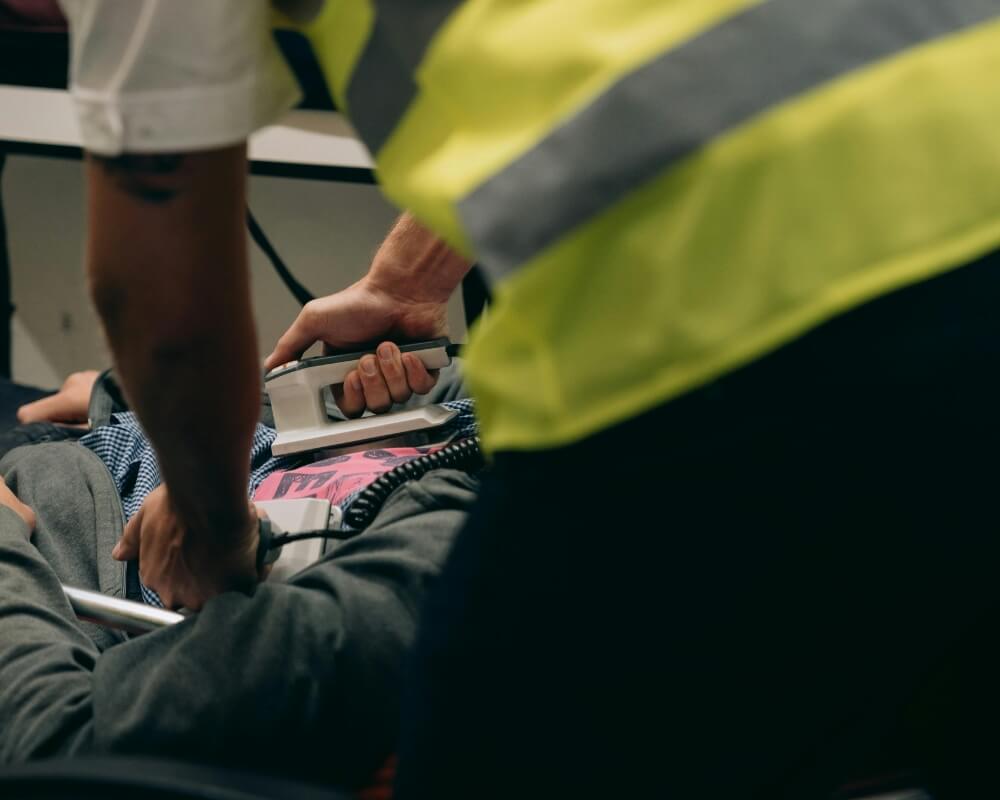
Instructor-led training where your team practices the exact response steps in this article on real manikins and AED trainers.
What is Active Shooter Response Training?
Active shooter response training is a proactive safety program designed to prepare individuals for the unthinkable. It moves beyond passive awareness to equip your team with a clear, actionable plan for survival. The goal isn’t to create fear, but to build confidence and resilience by teaching people how to recognize, react to, and report a violent threat. This training is a critical component of any comprehensive workplace safety program, empowering your staff to make life-saving decisions under extreme pressure. By establishing a standardized response protocol, you create a shared language and understanding that can significantly improve outcomes during a crisis. It’s about giving your people the tools they need to protect themselves and others until professional help arrives.
Understanding the Scope of the Problem
Before building your training presentation, it’s important to frame the conversation correctly. While active shooter events are statistically rare, their impact on a workplace and community is devastating, which makes preparation a critical responsibility for any organization. The goal isn’t to cause alarm but to build a shared understanding of why this training matters. Discussing the reality of these incidents helps your team move from an “it won’t happen here” mindset to one of proactive readiness. By grounding your training in facts, you establish the seriousness of the topic and underscore the importance of having a clear, practiced response plan. This context sets the stage for a more engaged and focused training session, where every participant understands the life-saving value of the information being shared.
Key Statistics on Active Shooter Incidents
To understand the landscape of these threats, especially in professional and educational settings, it helps to look at the data. A foundational FBI study covering incidents between 2000 and 2013 revealed several key trends that remain relevant for workplace safety planning today. These statistics highlight why businesses and schools are a primary focus for preparedness efforts.
- There were 160 active shooter incidents during the study period, with a clear trend of them becoming more frequent over time.
- A staggering 70% of these incidents occurred in either a business or school environment.
- Within business settings, 69 employees were killed and 73 were wounded.
- Many perpetrators had a direct connection to the workplace, including current, former, or recently terminated employees.
What is a Tabletop Exercise (TTX)?
Once your team understands the core principles of Run, Hide, Fight, a tabletop exercise is the perfect next step to put that knowledge into practice. Think of it as a guided conversation where key personnel walk through a simulated emergency scenario in a calm, informal setting. Unlike a full-scale drill, a tabletop exercise focuses on decision-making and communication. The group discusses their roles, responsibilities, and the specific actions they would take at each stage of the crisis. This process is incredibly effective at identifying potential gaps, clarifying procedures, and ensuring everyone on your response team is on the same page. It’s a low-stress, high-impact way to test your emergency plan and build the confidence your team needs to act decisively.
What Counts as an Active Shooter Incident?
An active shooter incident is officially defined as a situation where one or more individuals are actively trying to kill people in a confined and populated area. These events are dangerously unpredictable and evolve quickly, often ending before law enforcement can arrive. Because they can happen anywhere—from corporate offices and manufacturing plants to schools and hospitals—preparedness is essential across all industries. Understanding this definition is the first step in recognizing the unique threat these situations pose. Unlike other emergencies, the primary goal is to stop the threat, which requires a specific set of responses focused on immediate survival and minimizing casualties.
Why Use a Presentation for Safety Training?
A presentation is one of the most effective tools for delivering active shooter response training because it provides a structured, consistent framework for complex information. It ensures every participant receives the same critical knowledge, from understanding warning signs to executing specific response protocols like Run, Hide, Fight. This format allows you to tailor the content to your specific environment, whether it’s a sprawling university campus or a single-floor office building. Using clear visuals and organized content helps people absorb and retain the information they’ll need in a high-stress scenario. A well-designed presentation serves as the backbone of your emergency preparedness program, making a difficult topic more manageable and actionable for everyone involved.
Does Your Training Meet Compliance Standards?
For many organizations, active shooter response training is more than just a best practice—it’s a requirement. Healthcare facilities, for instance, must incorporate an active shooter plan into their overall emergency management strategy to maintain compliance. While many states now mandate this training for schools, they often don’t specify the exact content, leaving it up to administrators to develop an effective program. This is where professional training becomes invaluable. Implementing a formal training plan helps you meet your legal and ethical obligations to provide a safe environment. It also demonstrates a clear commitment to employee and public safety, which is a cornerstone of a responsible emergency action plan.
Beyond Response: Preventing Workplace Violence
While knowing how to react during a crisis is essential, the ultimate goal is to prevent violence from ever occurring. A truly effective safety program is proactive, not just reactive. It involves creating an environment where potential threats are identified and addressed long before they escalate. This requires a commitment from everyone in the organization to foster a culture of awareness, respect, and open communication. By learning to recognize warning signs and implementing preventative strategies, you can build a workplace that is not only prepared to respond but is also fundamentally safer from the start. This approach moves beyond a single training day and integrates safety into the very fabric of your organization’s culture.
Recognizing Potential Warning Signs
Violent incidents are rarely spontaneous. They are often the final act in a long, slow build-up of stress, frustration, and desperation. Individuals who may become violent frequently display observable changes in their behavior and communication. Learning to spot these indicators isn’t about making accusations; it’s about being attentive and recognizing when a colleague might be struggling. Creating a culture where people feel comfortable and empowered to voice concerns is the first step in effective prevention. When your team knows what to look for, they become your most valuable asset in maintaining a safe environment for everyone.
Behavioral and Performance Indicators
Changes in an individual’s typical behavior can be a key indicator that something is wrong. Pay attention to noticeable shifts in performance, such as frequent tardiness, a sudden drop in work quality, or an inability to concentrate. You might also observe social withdrawal, where a once-engaged colleague becomes quiet, sad, or isolated. Other signs can include a decline in personal grooming or hygiene. While these behaviors can stem from many personal issues, they signal that a person is under significant strain and could be a cry for help. Recognizing these patterns allows for early and supportive intervention.
Personal Stressors and Online Activity
Stressors outside of work, like financial trouble, relationship problems, or substance abuse, can spill over into the professional environment. An individual may become easily angered, argumentative with co-workers, or overly sensitive to criticism. These are often signs of poor mental health, which can be exacerbated by workplace stress. In some cases, feelings of desperation may appear in their online activity. While it’s important to respect privacy, threatening or concerning public posts should not be ignored. These signs, especially when combined with other behavioral changes, can paint a picture of someone who is reaching a breaking point and may need support.
Proactive Steps for a Safer Workplace
Recognizing warning signs is only half the battle. Your organization must also have clear, proactive systems in place to address them. This involves establishing firm policies, securing your physical space, and building a foundation of trust where employees feel safe to speak up. A proactive stance on safety demonstrates a deep commitment to your team’s well-being and can significantly reduce risk. These measures work together to create layers of security—both physical and psychological—that protect your people and your organization from potential harm.
Implementing a Zero-Tolerance Policy
A clear and consistently enforced zero-tolerance policy for violence, threats, intimidation, and bullying is non-negotiable. This policy should be a core part of your employee handbook and onboarding process. Beyond the policy itself, it’s critical to address underlying cultural issues that can contribute to a hostile environment. High stress, poor communication from leadership, and a lack of trust can create conditions where conflict festers. A comprehensive workplace violence prevention program should include measures to improve the overall health of your workplace culture, not just punish infractions.
Enhancing Physical Security and Access Control
Controlling who has access to your facility is a fundamental step in preventing violence. This can include measures like requiring key cards for entry, having a formal visitor check-in process, and ensuring all doors are securely locked. It’s also wise to conduct a professional security assessment to identify vulnerabilities in your building’s layout, lighting, and surveillance systems. These physical security measures are a critical component of your overall emergency action plan, creating a barrier that can deter a potential aggressor and provide valuable time to react if an incident does occur.
Fostering a Culture of Reporting and Trust
Your employees are your eyes and ears, but they will only report concerns if they feel safe and believe their reports will be taken seriously. It is essential to establish multiple, clear channels for reporting, including an anonymous option like a hotline. Management must be trained to handle these reports with discretion and urgency. When people trust that leadership will act appropriately, they are far more likely to come forward with information that could prevent a tragedy. This culture of shared responsibility is the cornerstone of a truly prepared and resilient workplace.
What to Include in Your Active Shooter Training PowerPoint
A truly effective active shooter training presentation is built on four key pillars. It should give your team a clear personal safety strategy, explain your organization’s specific procedures, detail how communication will be handled, and prepare everyone for interacting with law enforcement. When you structure your training around these core components, you move beyond simply checking a box for compliance. You create a program that builds real confidence and competence. The goal isn’t to scare people; it’s to empower them with knowledge so they can react decisively under pressure. A good presentation demystifies the chaos of an emergency, replacing fear with a clear plan of action. It ensures that everyone, from new hires to senior leadership, understands their role and the collective strategy for safety. This comprehensive approach helps your team see how their individual actions fit into the larger emergency response, fostering a sense of shared responsibility. By addressing these four areas, you provide a complete picture that covers what to do before, during, and after an incident, making the training practical and memorable. Let’s break down what each of these sections should cover.
How to Explain the Run, Hide, Fight Protocol
This is the foundation of personal safety during an active shooter event. Your presentation needs to clearly and simply explain what each action means. The core principle is that the best way to stay safe is to follow the Run, Hide, Fight steps. Start by explaining that running and escaping the area is always the first and best option if a safe path is available. If escape isn’t possible, the next step is to hide in the most secure location you can find, barricading the door and silencing your phone. Fighting is the absolute last resort, to be used only when your life is in immediate danger. Make it clear that this is a decisive, aggressive action to disrupt or incapacitate the shooter.
Alternative Survival Strategies: The 4 A’s
While Run, Hide, Fight is the most recognized protocol, another valuable framework is the 4 A’s of survival: Awareness, Avoidance, Arm, and Attack. This model encourages a proactive mindset, starting with Awareness. This is simply about being present and noticing your surroundings—knowing your exits and recognizing anything that seems out of place. If your awareness picks up on a threat, the next step is Avoidance: creating distance and removing yourself from the situation if possible. If escape isn’t an option, you must be prepared to Arm yourself with any object that can be used as a weapon, like a fire extinguisher or a heavy chair. Finally, as a last resort when your life is in immediate danger, you must be ready to Attack the threat with full commitment. This framework helps build a layered survival strategy that starts long before a direct confrontation.
How to Outline Your Emergency Response Plan
Beyond individual actions, your team needs to understand the organization’s specific emergency plan. This section of your presentation should detail your building’s evacuation routes, designated assembly points, and shelter-in-place locations. It’s also critical to define the possible roles participants may need to play during an incident. Who is responsible for calling 911? Who will account for employees at the assembly point? Who is trained in first aid or bleeding control? Answering these questions ahead of time removes confusion during a crisis. Use maps and simple diagrams to make these procedures easy to remember, and always leave time for questions to ensure everyone understands their role.
Defining Roles and Responsibilities for the Exercise
To make your tabletop exercise effective, you need to give everyone a clear job. Think of it like a rehearsal for a play—if people don’t know their parts, the performance will be chaotic. This discussion-based drill works best when roles are defined from the start. First, you need a facilitator, who acts as the director. This person guides the conversation, introduces new challenges in the scenario, and keeps the discussion focused and productive. Next are the players, who are the active participants. These are the team members who will talk through their decisions and actions as if the event were happening in real time. Finally, you should have observers or note-takers. Their job is to watch quietly, document the players’ responses, and identify any gaps or strengths in the plan. Assigning these roles ensures your exercise is an organized, insightful practice session, not just a casual conversation.
Structuring the Exercise: Incident, Response, and Recovery Phases
A good tabletop exercise walks your team through a crisis from beginning to end. The best way to do this is by breaking the scenario into three distinct phases: Incident, Response, and Recovery. The “Incident” phase kicks things off, presenting the initial moments of the emergency and prompting questions like, “What do you hear? What is your first move?” The “Response” phase covers the evolving situation, focusing on how your team communicates, secures the area, and interacts with first responders. Finally, the “Recovery” phase addresses the immediate aftermath, guiding a discussion on how to account for everyone and manage the situation once the threat is gone. Each phase should include specific questions to guide the conversation. After the exercise, hold a “hot wash” or debriefing session to discuss what worked, what didn’t, and how you can improve your emergency plan.
Creating Your Crisis Communication Plan
During an emergency, clear and accurate communication is vital. Your presentation should outline how the company will share information with employees, their families, and the public. A well-defined crisis communication plan is essential for keeping everyone informed and preventing the spread of rumors. Explain the official channels that will be used, whether it’s a mass notification system, a dedicated phone line, or a private social media group. You should also identify the designated company spokesperson. Instruct your team to wait for official updates rather than relying on speculation, which can create unnecessary panic and confusion for everyone involved.
Managing Media Inquiries and Information Flow
In the aftermath of an incident, media attention will be immediate and intense. Your presentation must prepare your team for this by establishing a clear protocol for managing information. The most important rule is to direct all media inquiries to a single, designated spokesperson. This prevents conflicting stories and ensures that only verified information is released. Instruct your employees to avoid speaking with reporters and instead guide them to the official contact. Your plan should also include a designated area for media to gather, located away from employees and their families to give them privacy. By controlling the flow of information through planned briefings, you can manage the narrative, counter rumors, and maintain order during a chaotic time.
Supporting Employees and Their Families Post-Incident
Your duty of care extends far beyond the immediate crisis. The recovery phase is just as critical, and your communication plan must address it. Your presentation should outline how you will support your team and their families. This includes establishing a reliable system for sharing updates, such as a dedicated phone line or a private webpage, to keep loved ones informed. Crucially, you must provide immediate access to mental health resources. Make it clear that counseling and support services will be available to help everyone process the traumatic event. Just as you manage external information, it’s vital to manage internal communication to provide a single source of truth and support for your team as they begin to heal.
How to Coordinate with Law Enforcement
The arrival of law enforcement is a critical moment, and your team needs to know exactly what to expect and how to react. Explain that officers’ first priority is to stop the threat, not to tend to the injured. Instruct your team to remain calm, follow all commands, keep their hands visible, and avoid any sudden movements. It’s also helpful to discuss the importance of providing accurate information to 911 operators and officers on the scene, such as the shooter’s location and description. Coordination with local law enforcement before an incident ever occurs is a best practice, and you can share that your organization has already taken these steps to ensure a more effective response.
Planning for Business Continuity
An effective response plan doesn’t end when the immediate threat is gone. Your presentation must also address how your organization will function in the aftermath. This is where business continuity comes in. Your plan should outline the steps for managing media inquiries, controlling public rumors, and addressing the long-term emotional and psychological needs of your team. It’s crucial to have a strategy in place that ensures clear communication, resource management, and defined staff roles during the recovery phase. Running through these scenarios in a tabletop exercise is an excellent way to test your plan and empower your team, helping them understand how to keep the business running while supporting one another through a difficult time.
Designing an Effective Active Shooter Presentation
The design of your presentation is just as important as the information it contains. For a topic as serious as active shooter response, your goal is to empower your audience, not frighten them. A well-designed presentation turns complex, stressful information into clear, actionable steps that people can remember and use if they ever need to. It’s about building confidence and creating a sense of shared responsibility for safety. When people feel prepared, they are better equipped to act decisively and protect themselves and others.
These presentations are a core component of broader emergency preparedness programs and should be tailored to your specific environment, whether it’s an office, a school, or a manufacturing facility. The layout of your building, your internal communication systems, and your company culture all play a role in shaping an effective response plan. Your PowerPoint should reflect these unique factors, making the training feel relevant and practical for everyone in the room. The following principles will help you create a presentation that is effective, respectful, and genuinely helpful for your team. By focusing on clarity, structure, and sensitivity, you can deliver training that makes a real difference.
Keep Your Visuals Clear and Simple
Visuals should clarify, not complicate. When discussing emergency procedures, avoid graphic images or chaotic designs that can cause anxiety and distract from the core message. Instead, opt for clean, simple graphics. Use universally understood icons, easy-to-read fonts, and high-contrast colors. You can include simplified floor plans to map out evacuation routes or diagrams that illustrate the Run, Hide, Fight concepts. The objective is to create slides that are instantly understandable and easy to recall under duress. Think of your visuals as tools for memory—they should reinforce key takeaways at a glance, helping your team process and retain critical safety information without adding unnecessary stress.
Structure Your Content for Clarity
A logical structure is essential for helping people absorb and retain information during a high-stakes training. Start with the fundamentals, like defining key terms and objectives, before moving into specific response protocols like Run, Hide, Fight. Break down complex procedures into simple, numbered, or bulleted steps. Each section should build on the last, creating a clear path for learning. Make sure your training covers the possible roles participants might have to take on during an incident and, most importantly, build in time for questions after each major topic. This ensures everyone is on the same page and feels confident in their understanding of the plan.
Use Interactive Elements to Keep People Engaged
Passive learning isn’t effective for emergency preparedness. To ensure your team truly grasps the material, you need to get them involved. An effective presentation should serve as a launchpad for discussion and practical application. Pause for scenario-based questions, asking groups to talk through their response options in a specific situation. You can also incorporate short, low-pressure quizzes to check for understanding. Following the presentation, these concepts should be reinforced through drills and debrief sessions where employees can reflect on the training. By rehearsing different scenarios, you help equip them with the muscle memory and critical thinking skills needed to respond effectively.
How to Handle a Sensitive Subject with Care
The tone of your presentation is paramount. This training is about empowerment, not fear. Frame the session around preparedness, control, and survival. Avoid sensationalism, graphic details of past events, or an alarmist tone. Focus on providing practical, life-saving skills that give your team a sense of agency. It’s important to communicate that the goal is to understand the full scope of a potential situation and prepare for various scenarios, rather than dwelling on worst-case outcomes. By maintaining a calm, respectful, and supportive atmosphere, you create a safe space for learning and help ensure your team leaves feeling prepared and confident, not anxious.

RECOMMENDED AED PACKAGE
ZOLL AED 3 Value Package
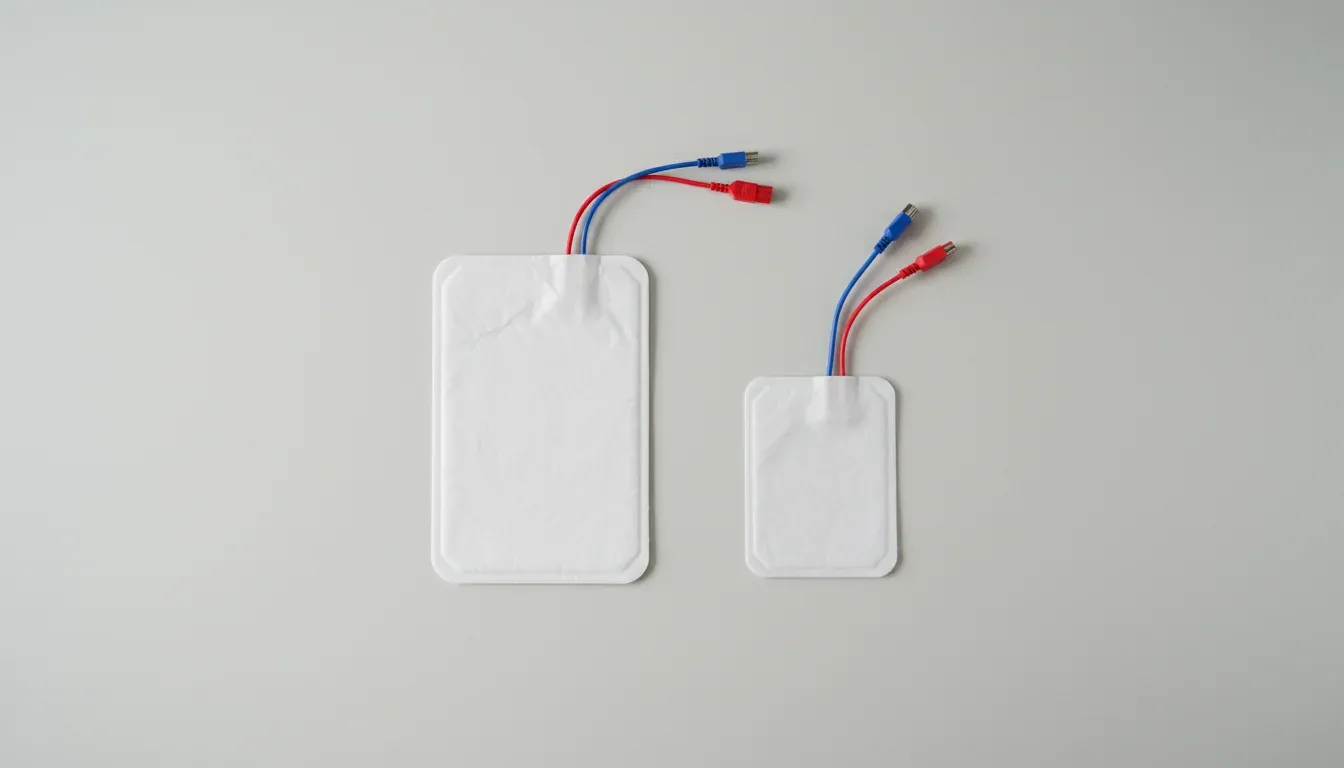
A complete, ready-to-use AED package — the ZOLL AED 3 with adult pads, battery, wall cabinet and signage.
How to Lead an Engaging Training Session
Your presentation is built, but your job is only half done. How you deliver the training is just as important as the information itself. The goal is to create a session that empowers your team with life-saving knowledge, not one that leaves them feeling anxious or overwhelmed. An engaging delivery ensures that the critical information sticks, turning passive listeners into prepared responders. It’s about building confidence and fostering a culture of awareness and safety.
How to Set a Serious Yet Supportive Tone
Active shooter training covers a difficult and sensitive topic. It’s essential to approach the session with the seriousness it deserves while also creating a supportive environment for everyone in the room. Start by acknowledging the weight of the subject and setting expectations for a respectful and focused discussion. Your role as a trainer is to be a calm, confident guide. Reassure participants that the purpose of the training is to empower them with practical skills and a clear plan, helping to reduce fear and uncertainty. This approach builds trust and makes it easier for people to absorb the information and ask important questions.
Simple Ways to Keep Participants Engaged
Keeping your audience focused is key to retention. Instead of just reading from slides, encourage participation by asking thoughtful questions and presenting realistic scenarios for discussion. Break down complex procedures into simple, actionable steps that are easy to remember under pressure. After covering a significant topic like the Run, Hide, Fight protocol, pause to check for understanding. Following the training, a brief debrief or reflection session can help solidify the key takeaways. When you engage participants directly, you help them internalize the material and connect it to their own environment.
How to Guide Productive, Respectful Discussions
An effective training session is a conversation, not a lecture. Your role is to facilitate a productive discussion where team members can explore their roles and responsibilities. Encourage questions throughout the presentation, as this creates a more collaborative learning environment. Be prepared to guide the conversation if it veers off-topic or becomes unproductive. Use open-ended questions to prompt critical thinking, such as, “What are some potential hiding places in our specific work area?” This approach helps your team apply the training concepts directly to their surroundings, making the emergency action plan feel more tangible and relevant.
Answering Common Questions and Concerns
People often come to this training with preconceived notions. It’s crucial to address common misconceptions head-on. One prevalent myth is that active shooter training is only about hiding. Proactively explain that the training covers a range of response strategies. Another barrier is the “it won’t happen here” mindset, which can lead to complacency. Emphasize that preparedness is a vital safety measure for any organization, regardless of perceived risk. By addressing these concerns directly, you can clear up confusion and reinforce why this preparedness training is so important for everyone.
How to Build a Sustainable Training Program
An active shooter training presentation is an excellent starting point, but a single session isn’t enough to create lasting preparedness. The most effective safety plans are built on a sustainable training program—one that is reviewed, refined, and repeated over time. Think of it as a continuous cycle of learning and improvement rather than a one-time event. A sustainable program ensures that your team’s knowledge stays current and that their response skills remain sharp. It also demonstrates a deep commitment to safety that resonates throughout your organization.
Building this kind of program involves more than just re-sharing the same PowerPoint deck every year. It requires a structured approach to documenting sessions, updating content, evaluating what works, and managing your resources wisely. By treating your training as a core operational function, you move from simply meeting a requirement to building a true culture of safety. This ongoing effort ensures everyone, from new hires to senior leaders, feels confident and prepared to act decisively in an emergency. A well-maintained program is your best tool for creating a resilient and response-ready workplace.
Why You Should Document and Assess Each Session
After every training session or drill, take the time to document what happened. Keep a simple log of who attended, what topics were covered, and any questions that came up. This record helps you track progress and identify areas where people might need more clarification. It’s especially important to ensure that participants understand their responsibilities during a potential incident. A brief post-session debrief or a simple feedback survey can provide valuable insights. This process isn’t about grading performance; it’s about gathering information to make the next training session even better.
Conducting a Post-Exercise Debrief or “Hot Wash”
A “Hot Wash” is just a term for an immediate debrief right after a training drill. It’s a chance for everyone to share their thoughts while the experience is still fresh. The goal isn’t to criticize anyone’s performance but to have an honest conversation about what worked and what didn’t. This is where you can identify gaps in your plan or areas where the training needs to be clearer. Guide the discussion with simple questions like, “What went smoothly?” and “Where did we run into confusion?” This feedback is invaluable because it helps you refine your emergency plan and continuously improve workplace emergency preparedness. By creating a space for open reflection, you turn every drill into a powerful learning opportunity for the entire team.
Keep Your Training Materials Current
Threats and best practices evolve, so your training materials should, too. Schedule a review of your presentation and handouts at least once a year to ensure they align with the latest guidance from federal agencies and law enforcement. For industries like healthcare, an active shooter plan is a critical component of the facility’s overall emergency management plan, making regular updates a matter of compliance and patient safety. When new information becomes available or your organization’s procedures change, update your training content immediately to keep everyone informed and prepared.
How to Know if Your Training is Working
How do you know if your training is actually working? Evaluation goes beyond attendance sheets. The real measure of success is whether your team retains and can apply what they’ve learned. Following a drill, gather your team to reflect upon the training and discuss what went well and what could be improved. Consider using short quizzes or tabletop exercises to reinforce key concepts and assess comprehension. This feedback loop is essential for identifying gaps in knowledge and refining your approach, ensuring the program remains effective over the long term.
Effectively Manage Your Training Resources
A sustainable program requires dedicated resources and clear ownership. Assign a person or a committee to be responsible for scheduling training, updating materials, and tracking progress. Your planning should be informed by a thorough risk assessment that considers your organization’s specific vulnerabilities. This allows you to tailor the training and allocate your budget effectively. Managing your program also means ensuring that physical resources, like first aid kits and communication systems, are maintained and integrated into your training exercises.
Best Practices for a Successful Training Session
A great presentation is just the start. To build real confidence and readiness, your training needs to connect with your team on a human level. This means anticipating their concerns, adapting to how they learn, and creating a program that lasts. By focusing on a few key practices, you can transform your training from a simple compliance check into a truly empowering experience that strengthens your organization’s safety culture. These strategies will help you deliver a session that is not only informative but also effective and respectful of your team’s emotional well-being.
How to Handle Resistance to the Training
It’s natural for people to feel anxious or even resistant to this topic. Some may think, “It won’t happen here,” while others might worry the training will be frightening. The best way to handle this is to address it head-on. Start your session by acknowledging these feelings and clarifying the goal: to empower, not to scare. Explain that the training covers proactive and practical steps anyone can take to improve their safety. By framing the session around preparedness and control, you can help shift the team’s mindset from fear to confidence. Understanding the common reasons for avoidance helps you create a more supportive and effective learning environment from the very beginning.
How to Accommodate Different Learning Styles
Everyone processes information differently. Some people are visual learners who benefit from a clear presentation, while others need to talk things through or practice physically. An effective training program caters to all of these styles. Supplement your PowerPoint with different materials. Provide handouts with key takeaways for those who like to read and review. Pause for Q&A sessions to engage auditory learners. Most importantly, move beyond the screen and conduct practical drills that allow your team to walk through the steps. This multi-faceted approach ensures the information is understood, retained, and ready to be used if ever needed.
Find Creative Ways to Engage Your Team
For a topic this serious, passive listening isn’t enough. True preparedness comes from active engagement, where team members think critically about their environment and response options. Turn your training into a conversation. Instead of just listing procedures, use scenario-based questions to spark discussion. For example, ask, “What are the potential exits in this room?” or “How would we secure this door?” Breaking into smaller groups for these discussions can also make people more comfortable sharing ideas. The goal is to help everyone feel prepared to take independent action and develop a personal safety mindset that they carry with them every day.
How to Maintain Your Program’s Effectiveness
Active shooter training is not a one-time event; it’s an ongoing commitment to safety. To ensure your team stays prepared, you need a plan for the long term. Schedule drills and refresher training at least once a year to keep skills sharp. After each session, ask for feedback to identify what’s working and where you can improve. It’s also critical to regularly review and update your training materials to align with the latest guidance from law enforcement and public safety experts. By integrating your training into your organization’s broader emergency management plan, you create a sustainable culture of preparedness that protects everyone.
Your Toolkit: Essential Training Materials and Resources
A powerful presentation is the core of your active shooter training, but it shouldn’t stand alone. To create a program that truly sticks with people, you need a full toolkit of resources. Supporting materials reinforce key concepts, provide practical guidance, and give your team the confidence to act decisively in a crisis. By combining your PowerPoint with hands-on tools and take-home resources, you build a comprehensive learning experience that prepares everyone for the realities of an emergency.
Active Shooter PowerPoint Presentation Templates
Starting with a professional presentation template saves you time and ensures you cover all the essential information. These templates are designed to be part of a broader emergency preparedness program and can be tailored to fit your specific environment, whether it’s an office, a school, or a manufacturing facility. A good template provides a solid framework, walking participants through how to recognize potential threats, understand response protocols like Run, Hide, Fight, and know what to expect when law enforcement arrives. Look for templates from trusted sources that you can customize with your building’s floor plans, emergency contact numbers, and unique safety procedures.
Free CISA Tabletop Exercise Packages (CTEPs)
If you’re looking to move from presentation to practice, the federal government offers an excellent free resource. The Cybersecurity and Infrastructure Security Agency (CISA) provides a series of CISA Tabletop Exercise Packages (CTEPs) designed to help your team walk through various security threats. These aren’t just generic documents; they are complete toolkits that include exercise objectives, sample scenarios, and discussion questions you can adapt to your specific workplace. Using a CTEP is a great way to get your team talking and thinking critically about your emergency plan, helping to identify gaps and build confidence in a low-stress, guided environment. It’s a practical next step after your initial training presentation.
UCSF Medical Center Presentation Template
For those who want a pre-built visual aid, the UCSF Medical Center has made an Active Shooter Tabletop Exercise template available for free. While developed in a healthcare setting, its structure is useful for any organization looking to facilitate a discussion-based exercise. The presentation is built around specific scenarios designed to get people talking about how they would react in a real situation. This is a fantastic starting point if you need to create a presentation quickly or are looking for a proven framework to guide your team’s conversation. It helps you move beyond simply listing rules and encourages your team to think through the practical application of your emergency plan.
More Tools to Support Your Training
To move from theory to practice, you need to incorporate additional training tools that make the scenarios feel real. Active shooter prevention and response training is most effective when it includes practical exercises. Drills, tabletop exercises, and guided scenarios help participants think through their actions in a controlled environment. These tools are crucial for building muscle memory and reducing panic during a real event. You can find a variety of emergency management training resources that offer structured activities to help your team apply what they’ve learned, turning passive knowledge into an active skillset that can save lives.
Printable Handouts and Support Materials
What happens after the training session ends? Handouts and other support materials ensure the lessons aren’t forgotten. Simple, clear takeaways like wallet cards, posters for break rooms, and quick-reference guides keep safety top of mind. These materials should summarize the most critical information, such as the steps for Run, Hide, Fight, and key contact numbers. During your training, you can use these handouts to guide discussions about what actions to take in different situations, which helps reinforce the information and encourages people to think critically about their own safety plans.
Where to Find More Information
Emergency preparedness is an ongoing effort, not a one-time event. Providing your team with a curated list of digital resources and further reading encourages a culture of continuous learning and awareness. This can include links to government sites, instructional videos, and articles on situational awareness. A key resource to share is a guide for developing an active shooter emergency action plan, which helps department heads and safety managers conduct a proper risk assessment. By giving your team access to these materials, you empower them to stay informed and proactive about their safety long after the initial training is complete.
Related Articles

Not sure which AED or training fits your needs?
A CPR1 product expert walks you through it — no obligation.
Frequently Asked Questions
Will this type of training frighten my employees? That’s a common and completely valid concern. The goal of this training is to empower your team, not to scare them. A well-designed and sensitively delivered session focuses on building confidence by providing clear, actionable steps. When people have a plan and know what to do, it can actually reduce anxiety around the unknown. The key is to frame the training around preparedness and personal safety, giving your team a sense of control in a situation that can feel chaotic.
How often do we need to repeat this training? Think of this training as a skill that needs to be kept sharp, not a one-time event. A good rule of thumb is to hold a refresher session at least once a year. This ensures that the information stays fresh in everyone’s mind and gives you a chance to update your plan with any changes to your building or procedures. Annual training also helps get new hires up to speed and reinforces that safety is an ongoing part of your company culture.
Is a presentation by itself enough to prepare my team? A presentation is an excellent foundation for sharing critical information, but it’s really just the first step. True preparedness comes from putting that knowledge into practice. Following up your presentation with practical drills or tabletop exercises where your team can walk through different scenarios is essential. This helps build the muscle memory needed to react effectively under pressure and turns theoretical knowledge into a life-saving skill.
My organization is small. Is this training still necessary? Preparedness isn’t about the size of your organization; it’s about the safety of your people. The principles of active shooter response—situational awareness, having an escape plan, and knowing how to react—are universal. An incident can happen anywhere, and having a simple, clear plan in place is just as critical for a small office as it is for a large corporation. The training can easily be scaled to fit your specific environment and team size.
Besides Run, Hide, Fight, what’s the most critical part of our response plan? A solid crisis communication plan is absolutely vital. During an emergency, confusion and misinformation can spread quickly, causing unnecessary panic. Your plan should clearly outline how the company will share official updates with employees and their families. Knowing where to get reliable information helps everyone stay calm and allows emergency responders to do their jobs more effectively. It ensures that your team isn’t left guessing during a critical moment.