



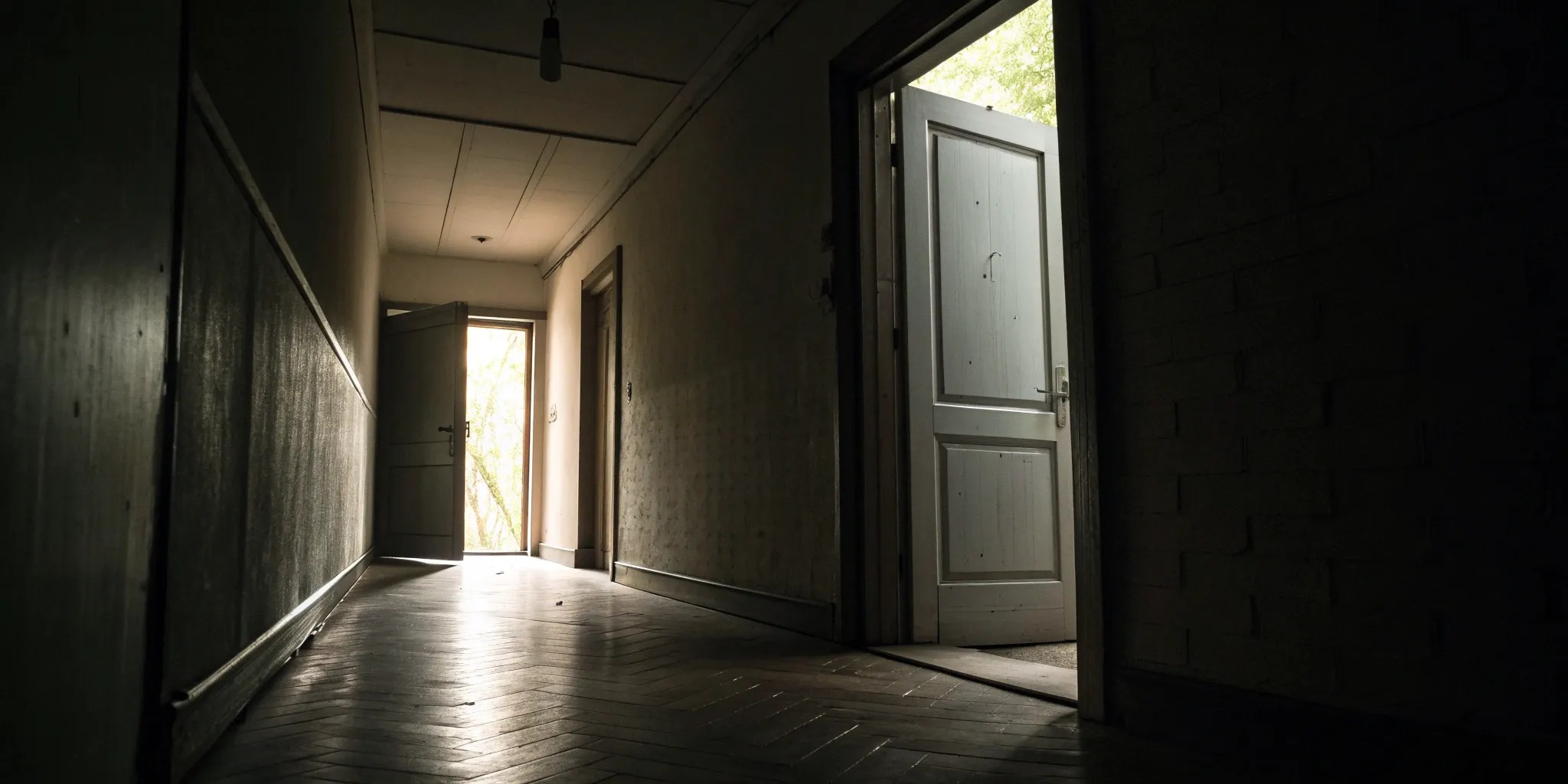
The run movie thriller is designed to keep you on the edge of your seat, but the real terror isn’t in the jump scares. It’s in how terrifyingly possible it all feels. So, what was the plot of run? On the surface, it’s about a girl trying to escape her overbearing mother. But dig deeper, and you’ll find a chilling story about control, identity, and the horrifying realization that the person you trust most could be your greatest danger. It turns a mother’s love into a weapon and a home into a prison, leaving you with one primal urge: to run.
Key Takeaways
- A Terrifying On-Screen Duo: The film’s suspense hinges on the powerhouse performances of Sarah Paulson and Kiera Allen, who create a chillingly believable mother-daughter relationship where care is twisted into control.
- Suspense Is in the Style: Run masterfully creates a sense of claustrophobia through its filmmaking, using tight camera angles, an isolated setting, and unnerving sound design to trap the audience inside Chloe’s terrifying reality.
- More Than a Thriller: Beyond the suspense, the movie is a disturbing look at the dark side of caregiving, exploring themes of medical abuse, forced dependency, and the powerful human drive for independence.
‘Run’ at a Glance: Key Film Details
Rating and Runtime
“Run” is a 2020 American psychological thriller from director Aneesh Chaganty that packs a serious punch in its lean 89-minute runtime. The film is rated PG-13, a key detail for anyone wondering about the type of horror to expect. Instead of relying on gore, the rating points to its disturbing themes, moments of violence, and some strong language. This means the film’s tension comes from its unsettling story and the emotional manipulation at its core, making it an intense but accessible watch for those who prefer suspense over jump scares. The tight pacing ensures the suspense never lets up, pulling you deeper into Chloe’s desperate situation with every passing minute.
Where to Watch ‘Run’
Finding “Run” is straightforward, as it’s readily available on major streaming platforms. You can watch the film on Hulu or Disney+, making it easy to access if you have a subscription to either service. This wide availability helped the movie find a large audience quickly, sparking conversations online about its gripping plot and powerful performances. Because it’s so easy to find, it’s a great choice for a movie night when you’re looking for a thriller that will have you talking long after it’s over.
What Was the Plot of the ‘Run’ Movie?
The 2020 psychological thriller Run grabs you from the first scene and doesn’t let go. It’s a tense, claustrophobic story that masterfully builds suspense by twisting a seemingly loving relationship into something truly terrifying. At its core, the film is about control, deception, and one young woman’s desperate fight for the truth and her freedom. It follows the story of Chloe Sherman, a bright teenager who uses a wheelchair and has a host of other medical conditions, and her seemingly devoted mother, Diane. As Chloe waits for her college acceptance letters, she starts to notice things that don’t add up, pulling at a thread that unravels her entire world.
The Isolated World of Chloe and Diane
We first meet Chloe as a capable and intelligent high school senior, excited about the prospect of leaving home for college. Her life is managed entirely by her mother, Diane, who controls her medication, education, and social interactions. On the surface, Diane is the perfect caregiver, but an unsettling undercurrent of control runs through their isolated home. The story) quickly establishes Chloe’s suspicions when she discovers a new medication prescribed to her is actually in her mother’s name. This single discovery becomes the catalyst for her investigation into the woman she trusts most, turning her home from a sanctuary into a prison.
When the Lies Start to Unravel
As Chloe digs deeper, the film’s tension skyrockets. Every attempt she makes to find answers is met with Diane’s increasingly sinister efforts to keep her in the dark. Chloe uncovers a shocking truth: one of her medications is Ridocaine, a muscle relaxant for dogs that, when given to humans, can cause leg paralysis. The realization dawns that her mother is the source of her illness, not the cure. Diane has been systematically poisoning her to keep her sick, dependent, and trapped at home. This form of abuse is a chilling example of factitious disorder imposed on another, where a caregiver fabricates or induces illness in a person under their care.
The Hidden College Acceptance Letters
The discovery of the hidden college acceptance letters is the moment Chloe’s vague unease crystallizes into cold, hard proof. As she eagerly checks the mail for news about her future, the audience feels her hope, making the eventual reveal all the more devastating. When she finds the letters tucked away in her mother’s closet, it’s not just a betrayal of trust—it’s a calculated act of sabotage. Diane isn’t just protecting her daughter; she’s actively preventing her from having a life of her own. The letters represent a tangible escape route, a future filled with independence and opportunity, and Diane’s decision to hide them confirms she is the architect of Chloe’s prison, not just the warden.
This deception is a chilling illustration of the film’s central theme: medical abuse and psychological manipulation. Diane’s twisted love has become a weapon she uses to maintain her role as the indispensable caregiver. For Chloe, finding the letters is more than just learning she got into college; it’s the final confirmation that her mother’s control is absolute and intentional. They symbolize her potential, her identity beyond being a patient, and the life that exists just outside her mother’s suffocating grasp. This discovery fuels her resolve, transforming her quiet investigation into a desperate fight for survival and freedom.
As the plot of Run barrels forward, it’s clear Diane’s actions are driven by a pathological need to be needed—a “love” that prioritizes her own emotional security over Chloe’s well-being. The hidden letters are a physical symbol of Chloe’s stolen future and the extreme lengths Diane will go to in order to keep her daughter dependent. This dynamic forces the audience to confront difficult questions about trust, autonomy, and how the desire to protect can curdle into a need to possess. The film uses this powerful plot point to explore the darkest side of caregiving, where love becomes the justification for absolute control.
What Chloe Finally Discovers
The film’s climax is a heart-pounding confrontation. After realizing Diane is not her biological mother and has been holding her captive her entire life, Chloe takes a desperate measure. She knowingly swallows a toxic substance, forcing Diane to rush her to a hospital—the only place she might find help. At the hospital, a tense escape attempt unfolds, ultimately leading to Diane being shot and apprehended. The story then jumps forward several years. We see a healthier Chloe, who now uses a prosthetic, visiting Diane in a correctional facility. In a chilling final twist, Chloe reveals she has smuggled in the same paralyzing pills Diane once used on her, showing that she has finally taken complete control of her own life.
The Truth About Diane’s Past
In Run, Diane isn’t just a controlling mother; her actions are rooted in a horrifying lie from her past. The film reveals that after Diane’s own infant died shortly after birth, she stole another baby—Chloe—from the hospital nursery and raised her as her own. This foundational deception is the dark secret that fuels her every action. Her behavior is a chilling depiction of factitious disorder imposed on another, a form of medical abuse where a caregiver fabricates or induces illness in someone they care for. To ensure Chloe can never leave, Diane systematically poisons her with various medications, including a muscle relaxant for dogs, to keep her physically dependent. Diane’s past isn’t just a plot twist; it’s the psychological key that explains her terrifying need to turn a home into a prison and a mother’s love into a weapon.
Paulson and Allen: A Powerful On-Screen Duo
The heart-pounding tension in Run comes from the powerhouse performances of its two leads, Sarah Paulson and Kiera Allen. Their on-screen relationship as mother and daughter is the engine that drives the entire film, creating a dynamic that is as believable as it is terrifying. The chemistry between them is electric, pulling you deep into a story where love and control become dangerously blurred. It’s their portrayals that make the film’s psychological horror feel so incredibly real and unsettling.
Sarah Paulson’s Chilling Performance as Diane
Sarah Paulson is absolutely chilling as Diane, the seemingly perfect mother whose devotion hides a horrifying secret. She portrays Diane with a masterful touch, balancing a warm, nurturing exterior with flashes of cold, calculated menace. You believe her love for her daughter, which makes her acts of manipulation even more disturbing. Paulson’s performance is a deep dive into a character defined by control, showing how care can be twisted into a weapon. Her ability to be both a comforting figure and a monster is what makes Diane one of the most memorable villains in recent thriller history.
Kiera Allen’s Breakout Role as Chloe
In her feature film debut, Kiera Allen delivers a phenomenal performance as Chloe, the sharp and resourceful teenager at the center of the story. As a wheelchair user herself, Allen brings a powerful layer of authenticity to the role, grounding the character’s experience in reality. She perfectly captures Chloe’s growing suspicion and her desperate fight for freedom. It’s not just a role; it’s a star-making turn that marks a major step forward for disability representation in Hollywood. Allen ensures Chloe is never a victim but a resilient hero you root for until the very end.
The Supporting Role of Pat Healy
While Paulson and Allen carry the film, Pat Healy’s role as Tom, the friendly mailman, is a small but crucial piece of the puzzle. He serves as Chloe’s only consistent link to the outside world, and his brief interactions add a powerful layer of tension to the story. Tom represents a sense of normalcy that is completely absent from Chloe’s isolated life, and his growing suspicion of Diane validates the audience’s own unease. Though he remains largely unaware of the true horror unfolding, his character highlights the depth of Diane’s manipulation and underscores how trapped Chloe really is. His presence enriches the narrative by showing just how close—and yet how far—help can be.
Watching the Hunter Become the Hunted
The film’s most shocking twist completely redefines the characters. Chloe discovers that Diane is not her biological mother but her kidnapper. For years, Diane has been poisoning Chloe with various medications, a form of medical child abuse designed to keep her sick and dependent. This horrifying revelation transforms their relationship from one of care to one of captivity. As Chloe secretly stops taking the pills and regains her strength, the power dynamic shifts dramatically. The story becomes a tense battle of wits, culminating in Chloe’s fight for autonomy and her ultimate, chilling revenge.
The Psychological Games at the Heart of ‘Run’
What makes Run so deeply frightening isn’t jump scares or gore, but the slow, creeping horror of psychological manipulation. The film masterfully builds a sense of claustrophobia and dread by trapping us inside the mind of its protagonist, Chloe, as she begins to realize her entire life is a lie. It’s a story that preys on our deepest fears about trust, family, and control, showing how the people closest to us can sometimes be the most dangerous. The real terror comes from watching a loving relationship curdle into something monstrous, all behind the closed doors of a seemingly perfect home.
Unpacking the Layers of Deception
At its core, Run is a chilling portrait of a toxic mother-daughter relationship built on deceit. The story follows Chloe Sherman), a bright teenager who uses a wheelchair and has several chronic illnesses. Her mother, Diane, appears to be the perfect caregiver—attentive and completely devoted. But as Chloe notices inconsistencies, a suffocating tension builds. Diane’s manipulation is subtle, disguised as motherly concern. She controls every aspect of Chloe’s life, creating an environment of total isolation that makes escape seem impossible.
A Story Inspired by Munchausen by Proxy
The film’s plot is a chilling depiction of a real-life psychological disorder known as Munchausen syndrome by proxy. This is a form of abuse where a caregiver intentionally causes or fakes an illness in someone under their care, usually to gain attention and sympathy. In the film, Diane’s actions are a textbook case. She systematically poisons Chloe to keep her dependent and under her control, turning their home into a prison. This dynamic weaponizes the very idea of love and trust. The terror in Run comes from this profound betrayal, showing how the person meant to be a protector can become the greatest threat. It’s a haunting look at the dark side of caregiving and the devastating impact of this form of abuse.
Exploring the Reality of Medical Gaslighting
The film’s most disturbing element is its depiction of medical gaslighting, where a person is manipulated into questioning their own health. Chloe’s suspicions lead to a horrifying discovery: a new medication from her mother is actually a muscle relaxant for dogs. It’s revealed that Diane has been systematically poisoning Chloe for years, inducing her illnesses to keep her dependent and under her control. This isn’t just a lie; it’s a complete fabrication of Chloe’s reality. Diane isn’t treating an illness—she is the illness. This transforms the film into a terrifying exploration of medical abuse) and betrayal.
How the Film Explores Power and Control
The final act delivers a shocking twist that flips the power dynamic. After discovering Diane is not her biological mother and has been sabotaging her future, Chloe escapes and exposes her. Years later, we see a recovered Chloe visiting Diane in a correctional facility. In a dark reversal of roles, Chloe reveals she has been smuggling in the same pills Diane used on her, ensuring her former captor remains subdued. This chilling conclusion shows the cycle of control hasn’t been broken, it has just changed hands, leaving you to question the nature of justice and the lasting scars of abuse.
How the Director Creates Non-Stop Suspense
The chilling story of Run is enough to make your skin crawl, but it’s the masterful filmmaking that truly gets under your skin. The director, Aneesh Chaganty, uses every tool available to build a world of suffocating tension. It’s not just what you see, but how you see it. The film’s power comes from a deliberate combination of camera work, setting, and sound that puts you directly into Chloe’s wheelchair, making her fear your own. This isn’t a movie that relies on cheap jump scares; it’s a slow-burn thriller that earns every moment of dread through pure cinematic craft.
Seeing the World Through Chloe’s Eyes
The camera in Run is our window into Chloe’s world, and it’s a deliberately narrow one. Much of the film is shot from her perspective, often at a lower angle, forcing us to experience her physical limitations and her mother’s towering presence. Close-ups on Chloe’s face capture every flicker of doubt and terror, creating an intense intimacy. The cinematography rarely gives us a full view of the house, keeping us just as disoriented and trapped as she is. By limiting what we can see, the filmmakers ensure we only know what Chloe knows, making each new discovery feel urgent and dangerous. This technique turns the camera into a storytelling partner, building suspense with every frame.
How Isolation Becomes a Weapon
The house in Run is more than a setting; it’s a prison disguised as a sanctuary. Its physical isolation in a rural area is the first layer of Chloe’s confinement. But the real horror comes from her complete emotional and technological isolation. With no friends, no internet access, and a mother who controls every interaction, she is utterly alone. This profound sense of isolation is a classic tool for building suspense in film. We watch Chloe try to break free from her gilded cage, and every failed attempt tightens the knot of tension. The house, once a symbol of care, becomes a maze of obstacles, making her fight for freedom feel both heroic and terrifyingly difficult.
Why the Sound Design Will Give You Chills
Run uses sound to create a constant, unnerving atmosphere of dread. The film’s score is subtle but effective, often using low, dissonant tones that keep you on edge without you even realizing it. Beyond the music, the sound design is brilliant. The squeak of Chloe’s wheelchair, the clink of pills, the creak of a floorboard—everyday noises are amplified to sound menacing and significant. These sounds fill the silence, reminding us that even when nothing is happening, danger is always lurking. This auditory tension makes the quiet moments just as stressful as the action-packed ones, ensuring the feeling of unease never truly goes away.
What Makes This Thriller Different?
What makes Run so effective is how it grounds its horror in reality, particularly through its authentic casting. By casting Kiera Allen, an actress who uses a wheelchair, the film adds a layer of realism that many thrillers lack. Her struggle isn’t just a plot device; it’s a lived experience that informs her performance and the film’s action sequences. This commitment to authentic representation makes the stakes feel higher and the horror more personal. The film avoids supernatural elements and focuses on the terrifyingly plausible evil of one person, proving that the most unsettling monsters are often the ones hiding in plain sight.
What Is the ‘Run’ Movie Really About?
On the surface, Run is a nail-biting thriller designed to keep you on the edge of your seat. But once the credits roll, you realize the film is much more than just a series of suspenseful moments. It’s a deeply unsettling exploration of control, identity, and the terrifying possibility that the person you trust most could be your greatest danger. The story uses the framework of a horror movie to dissect a profoundly toxic mother-daughter relationship, turning a home into a prison and a mother’s love into a weapon.
The film forces viewers to confront uncomfortable questions about the nature of caregiving, the ethics of medical authority, and the fierce, primal need for personal freedom. It’s not just about escaping a physical threat; it’s about breaking free from a psychological cage built over a lifetime of lies. The true horror of Run lies in its emotional and psychological realism, making us think about the subtle ways control can be disguised as love and protection.
Chloe’s Fight for Freedom
At its core, Run is a powerful story about one young woman’s desperate fight for independence. Chloe’s journey is a heightened version of a universal coming-of-age struggle. Like any teenager, she wants to go to college, have friends, and build a life of her own. However, her mother’s control and the physical limitations imposed on her make this fight a matter of life and death. Every small act of defiance, from a secret internet search to a risky trip to the pharmacy, becomes a monumental step toward reclaiming her own identity. Chloe’s incredible resourcefulness shows that the drive for autonomy is a powerful force that can’t be easily contained.
What Happens When You Can’t Trust Anyone?
The film masterfully builds on a primal fear: what happens when your entire reality is a lie? Chloe’s world crumbles when she discovers the person she depends on for everything is the source of her suffering. The realization that her mother isn’t her biological parent and has been systematically poisoning her is the ultimate betrayal. This forces Chloe into a position of absolute self-reliance. She can’t trust her caregiver, the pharmacist, or even the mailman to help her. This theme of profound isolation highlights the courage it takes to trust your own instincts, especially when the person manipulating you is the one who is supposed to protect you.
Where Is the Line in Patient Care?
Run presents a chilling look at how medical knowledge can be twisted for malicious purposes. Diane’s actions are a terrifying example of Munchausen syndrome by proxy, a form of abuse where a caregiver invents or induces illness in someone under their care. She uses her understanding of medicine not to heal, but to control and confine Chloe. The film serves as a dark reminder of the immense power and responsibility held by caregivers and medical professionals. It underscores the vulnerability of patients and the critical importance of questioning authority when something feels wrong, pushing for transparency and advocating for your own health.
When a Mother’s Love Becomes Dangerous
The relationship between Diane and Chloe is the twisted heart of the film. What appears to be selfless devotion is slowly revealed as obsessive possession. Diane’s “love” for Chloe isn’t nurturing; it’s a cage built from her own unresolved trauma and grief over losing her own baby. The film explores how this toxic bond suffocates Chloe’s identity, turning every aspect of her life into a performance for her mother. The chilling final scene, where a grown-up Chloe visits Diane in prison and continues the cycle of control, suggests that the damage from such a relationship is not easily undone. It leaves the audience wondering if Chloe has truly escaped or simply found a new way to manage her trauma.
How the ‘Run’ Movie Thriller Was Made
The heart-pounding tension in ‘Run’ is no accident. It’s the result of careful choices made by the filmmakers to pull you into Chloe’s terrifying world. From the director’s vision to the way each scene was shot, every element was designed to create a sense of unease and claustrophobia. The film also makes a powerful statement with its casting, proving that great storytelling is about more than just what happens on screen—it’s also about who gets to tell the story and how their experiences shape the narrative.
How the Director Brought the Story to Life
Director Aneesh Chaganty has a real knack for crafting suspense, and ‘Run’ is a perfect example. He centers the horror not on jump scares, but on the complex and deeply unsettling dynamic between Diane and Chloe. Chaganty’s direction keeps the tension building steadily, never giving the audience a moment to relax. He masterfully controls the flow of information, ensuring we feel just as trapped and desperate for answers as Chloe does. This skillful exploration of psychological themes is a hallmark of his work, making the film a compelling character study wrapped in a thriller.
The Screenplay by Aneesh Chaganty and Sev Ohanian
The screenplay for Run was crafted by Aneesh Chaganty and Sev Ohanian, the same team behind the screen-based thriller Searching. Their writing is incredibly effective at exploring the dark side of a mother-daughter relationship, focusing on themes of control and deception. The story is structured to methodically build suspense, pulling the audience into the chilling dynamic between Chloe and her mother, Diane. What makes the script so powerful is its portrayal of psychological manipulation, turning what looks like a loving home into a prison. This deep dive into caregiving and betrayal makes the film more than just a thriller; it’s a sharp commentary on trust and the fight for autonomy.
From Theaters to Streaming: The Film’s Release
Run was originally meant for a big-screen theatrical release, but the COVID-19 pandemic shifted its path directly to streaming on Hulu. This change turned out to be a huge success, allowing the film to find a massive audience right in their homes. It quickly became Hulu’s most-watched original movie upon its release and generated a ton of buzz on social media. The move from theaters to streaming highlights how much the film industry is changing, but it also speaks to the movie’s powerful story. It resonated with people and sparked conversations about psychological horror and the complex, sometimes dark, nature of caregiving.
The Smart Filming Tricks Used in ‘Run’
The camera work in ‘Run’ does so much more than just capture the action; it creates the film’s suffocating atmosphere. The filmmakers use specific cinematography techniques to put you directly in Chloe’s shoes. Tight framing and claustrophobic close-ups make her home feel more like a prison, emphasizing her isolation and trapping the viewer with her. The strategic use of camera angles often shows the world from Chloe’s perspective, limiting what you can see and amplifying the sense of paranoia. This visual storytelling is incredibly effective, making her struggle feel immediate, personal, and all too real.
How ‘Run’ Champions Disability Representation
One of the most significant aspects of ‘Run’ is the casting of Kiera Allen, a wheelchair user, to play Chloe. This decision brings a profound layer of authenticity to the character and her fight for independence. Instead of an able-bodied actor pretending, the film grounds its narrative in a real, lived experience, which makes Chloe’s resourcefulness even more powerful. This choice was a major step forward for representation in Hollywood, challenging industry norms and showing that disabled actors can and should lead major films. It proves that authentic casting makes for better, more resonant storytelling.
What Did Critics and Audiences Think?
With its intense plot and powerful performances, Run made a significant impression when it was released. The film didn’t just come and go; it sparked conversations and earned its spot as a must-see modern thriller. Both professional critics and everyday viewers found a lot to talk about, from the acting to the film’s unsettling real-world parallels. Let’s break down how the movie was received and the impact it left on the genre.
How Did Critics Rate the ‘Run’ Movie?
Critics were quick to praise Run, and it holds a strong Certified Fresh score on Rotten Tomatoes. The consensus pointed to the powerhouse performances from Sarah Paulson and Kiera Allen as the film’s driving force. Reviewers called it a “riveting rollercoaster ride,” highlighting how the director masterfully builds suspense from start to finish. The tight script and relentless pacing were frequently mentioned, making it clear that critics saw this as a sharp, effective thriller that delivers exactly what it promises: a heart-pounding experience that keeps you on the edge of your seat.
Metacritic and Box Office Performance
While Run had a limited theatrical release, its financial story is a tale of two platforms. Its performance at the box office was modest, but that number doesn’t capture its true impact. The film found its real audience on streaming, becoming Hulu’s most-watched original movie upon its release and proving that a theatrical run isn’t the only measure of success. On the critical side, the reception was solid. The film earned a Metacritic score of 67 out of 100, indicating “generally favorable reviews.” Critics consistently praised the suspenseful storytelling and the powerful lead performances, cementing its status as a well-regarded thriller.
What Audiences Are Saying
Audiences largely agreed with the critics, finding the film to be a gripping and intense watch. The performances of the two leads were a huge talking point, with many viewers impressed by the chemistry and conflict between the mother-daughter duo. While most found it to be an exciting thriller, some viewer reviews show a more mixed reaction, with a few finding the plot predictable at times. Overall, though, the general sentiment was positive, with many recommending it to fellow fans of the genre for its suspenseful and satisfying story.
Rotten Tomatoes Audience Score and Feedback
On Rotten Tomatoes, audience feedback largely mirrors the critics’ praise, with the film securing a strong viewer score. Viewers consistently pointed to the electric chemistry between the mother-daughter duo as the movie’s greatest strength, making their disturbing relationship feel both believable and terrifying. While the majority of reviews call it a gripping and satisfying thriller, some viewers felt the plot leaned into predictable territory at times. Despite this, the overall sentiment is overwhelmingly positive, with many recommending it as a must-watch for anyone looking for a smart, suspenseful story that delivers on its promise of non-stop tension.
Will ‘Run’ Become a Modern Classic?
Beyond the jump scares and suspense, Run left a lasting mark because of its chilling connection to real-world events. Many viewers and critics drew parallels between the film’s plot and the true story of Gypsy Rose Blanchard, a case of medical child abuse that shocked the world. This grounding in reality gives the film an extra layer of psychological horror. It’s not just a fictional thriller; it’s a story that forces us to think about manipulation and the dark side of caregiving. This connection has sparked countless discussions and solidified the film’s place) as a thought-provoking and deeply unsettling entry in the genre.
A Record-Breaking Debut on Hulu
When Run premiered on Hulu, it wasn’t just a quiet release—it was a record-breaking event. The psychological thriller quickly became the platform’s most-watched original film ever during its opening weekend, an achievement that Deadline reported alongside its widespread critical acclaim. This immediate success was fueled by the powerhouse performances of Sarah Paulson and Kiera Allen, whose chilling portrayal of a toxic mother-daughter relationship captivated viewers. The film’s ability to blend nail-biting suspense with a thought-provoking narrative made it more than just another thriller; it became a cultural talking point that resonated with audiences everywhere.
The Details That Make ‘Run’ So Effective
A great thriller does more than just tell a scary story—it makes you feel the fear in your bones. Run is a perfect example of how filmmaking techniques can turn a suspenseful plot into a heart-pounding experience. The director, Aneesh Chaganty, doesn’t just rely on shocking twists; he uses the camera, the setting, and the sound to put you directly into Chloe’s wheelchair, making her desperation and terror your own. Every element is carefully chosen to build a world that feels both ordinary and deeply menacing. It’s this attention to detail that makes the film so effective, transforming a simple house into a character of its own and a prison for its heroine. Let’s look at the specific choices that make the movie so incredibly tense.
Creating the Film’s Visual Style
From the very first scene, Run establishes a distinct visual style that keeps you on edge. The way a film uses cinematography and editing is key to its emotional impact, and here, the choices are all about control. The lighting is often soft and muted, giving the house a deceptively calm appearance that contrasts sharply with the horror unfolding within its walls. The editing pace is masterful; it lingers in moments of quiet suspicion, forcing you to scan the frame for clues alongside Chloe. Then, during her escape attempts, the cuts become sharp and frantic, mirroring her racing pulse. This deliberate control over what we see and when we see it ensures the audience is always one step behind the truth, feeling just as confused and alarmed as the film’s protagonist.
Creating a Claustrophobic World
The feeling of being trapped is central to Run, and the filmmakers achieve this through brilliant camera work. The movie consistently uses tight framing, keeping the camera close on Chloe and her immediate surroundings. We rarely see wide, expansive shots of the house. Instead, we get close-ups of her face, her hands, and the objects she interacts with. These specific camera techniques do more than just show us what’s happening; they create an intense sense of confinement. The house, which should be a place of safety, becomes a maze of narrow hallways and locked doors. By restricting our view, the director makes us feel Chloe’s physical and psychological imprisonment, turning her struggle for freedom into a visceral experience for the audience.
How the Score Builds Dread
Sound in Run is just as important as the visuals. The film’s score and sound design are a masterclass in how to build suspense without relying on cheap jump scares. Instead of a loud, intrusive soundtrack, the movie often uses silence to create tension. This makes every small sound—the rattle of a pill bottle, the squeak of a wheelchair wheel, the click of a locking door—feel amplified and threatening. When music is used, it’s a low, unsettling score that slowly grows, reflecting Chloe’s mounting dread. This subtle approach is far more effective than a traditional horror score because it taps into a more primal fear, making you listen intently and anticipate what’s coming next. It’s the sound of isolation and creeping realization.
Frequently Asked Questions
Is Run based on a true story? While the film isn’t a direct retelling of one specific event, its story is frighteningly similar to real-life cases of medical child abuse, particularly the well-known story of Gypsy Rose Blanchard. The movie draws from the psychological horror of these true stories to create a fictional narrative that feels disturbingly plausible.
What exactly is wrong with Chloe? This is the central question of the film. Chloe lives with a number of serious health conditions, including paralysis that requires her to use a wheelchair. However, she discovers that these illnesses have been intentionally caused by her mother, Diane, who has been poisoning her for years with various medications to keep her sick, dependent, and trapped at home.
What does the ending of Run really mean? The final scene is meant to be unsettling and thought-provoking. Years after escaping, Chloe visits Diane in prison and is shown secretly giving her the same paralyzing pills that were once used on her. This dark twist shows that the power dynamic has completely flipped. It suggests that Chloe has taken absolute control, leaving the audience to decide if this is a form of justice or a sign that the cycle of abuse has simply changed hands.
Why was it so important to cast an actress who uses a wheelchair? Casting Kiera Allen brought a powerful layer of authenticity to the role that couldn’t be faked. Her real-life experience informs the character, making Chloe’s resourcefulness and the physical challenges she faces feel genuine and compelling. This decision was a major step for representation and proves that authentic casting makes for stronger, more impactful storytelling.
Is Run a scary movie with a lot of jump scares? Run is best described as a psychological thriller, not a jump-scare horror film. The fear it creates comes from intense suspense, a constant feeling of dread, and the terrifying reality of Chloe’s situation. If you enjoy tense, claustrophobic stories that get under your skin without relying on gore, this movie will deliver.
Part of a Bigger Story: The ‘Searching’ Universe
If you loved the clever, twisty storytelling in Run, you’ll be excited to know it’s not a standalone story. The film is part of a larger, loosely connected universe of thrillers from the same creative team, where family secrets and modern technology collide in terrifying ways. While the characters don’t cross over directly, the films share a thematic heartbeat and a few clever Easter eggs that reward sharp-eyed viewers. This shared world turns each movie into a piece of a bigger, more intricate puzzle about the dark side of human relationships and the shocking discoveries that can hide in plain sight, even within our own families.
Connections to ‘Searching’ and ‘Missing’
The film Run is intricately connected to a cinematic universe that includes the screenlife thrillers Searching (2018) and Missing (2023). While Run isn’t filmed entirely through computer and phone screens, it shares the same creative DNA. All three films explore the terrifying idea that the people we are closest to might be hiding unimaginable secrets. They create a cohesive story world built on suspense, deception, and the complexities of family bonds in the modern age. Run fits perfectly into this collection as a psychological thriller that complements the tech-focused mysteries of its sibling films, offering another chilling look at how trust can be weaponized within the supposed safety of a home.
Did Diane Escape? A Hint from the Sequel
For those who pay close attention, the sequel Missing drops a tantalizing hint about what happened to Diane after the events of Run. In one scene, a news ticker running at the bottom of a screen briefly mentions a criminal escaping from a correctional facility in Ohio—the same state where Diane was imprisoned. This clever Easter egg strongly suggests that Diane may have broken out, leaving her story wide open for a potential return. This small detail not only rewards dedicated fans of the series but also adds a chilling layer of unresolved suspense, making you wonder if her reign of terror is truly over or if she is out there somewhere, waiting.
Related Articles
Disclaimer for information purposes only:
The information provided on this website is intended for general educational and informational purposes only. It is not medical advice and should not be used as a substitute for professional diagnosis, treatment, or care. Always consult a qualified healthcare or medical professional regarding any health-related questions or concerns.
While we strive to ensure the information shared is accurate and up to date, no guarantees are made regarding completeness, accuracy, or applicability to any individual situation. Use of this content is at the reader’s sole discretion and risk.
This website is part of the Response Ready family of emergency preparedness and training resources, including CPR & first aid training and compliance services, AED sales and program support, AED program management software, and medical oversight solutions provided through our affiliated platforms:
• AEDLeader.com
• ResponseReady.com
• AEDTotalSolution.com
• MDSIMedical.com
By accessing or using this website, you agree to release, indemnify, and hold harmless the website owners, authors, contributors, and affiliated entities from any claims, losses, damages, or liabilities arising from the use or reliance on the information presented.

Anastasios Giannikas
Anastasios Giannikas
Save Lives with the Right AED Today
Buy Trusted AEDs from AED Leader Today!
Get Certified in CPR and Make a Difference!


