



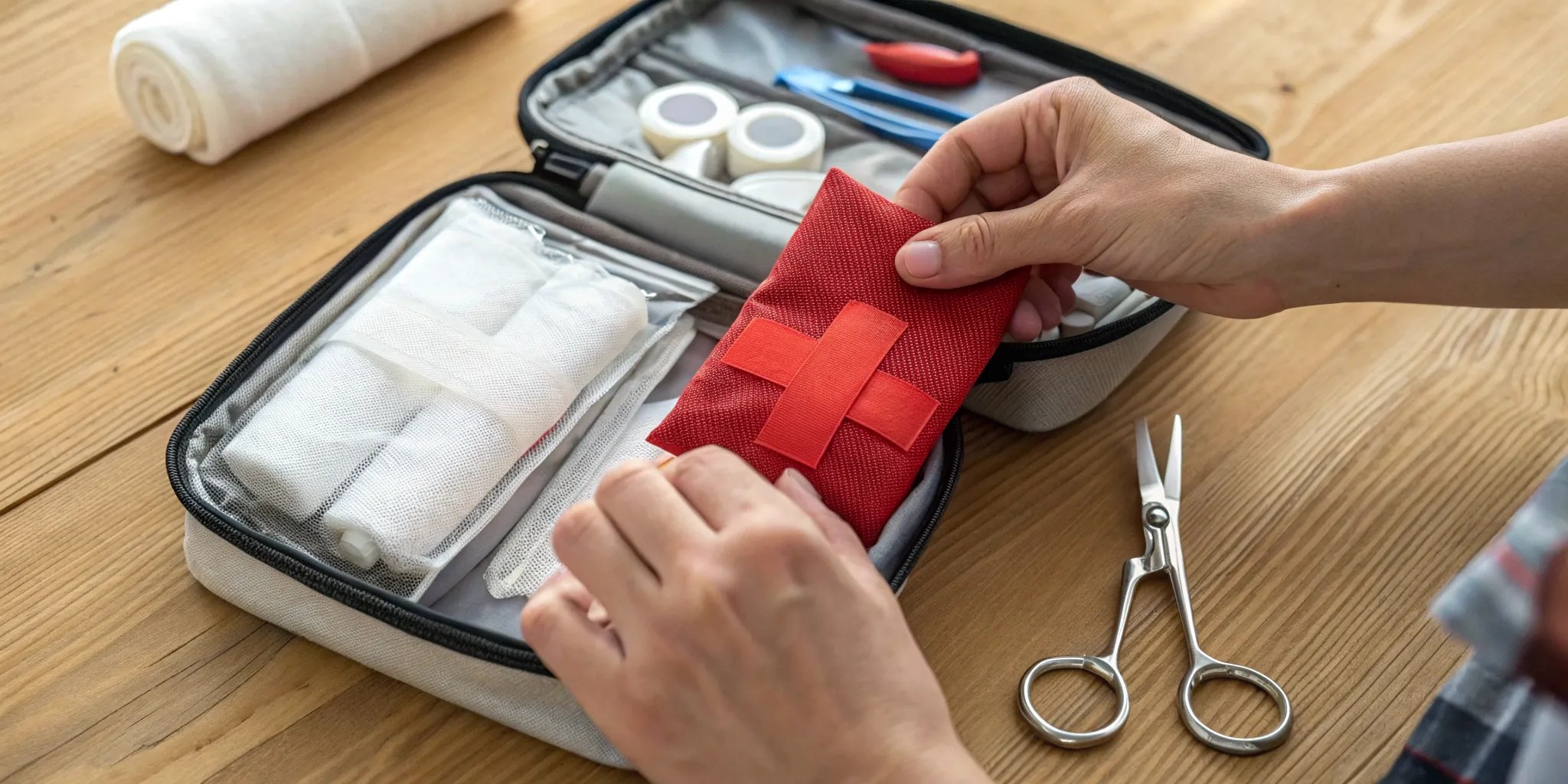
We see AEDs and fire extinguishers in public spaces and know exactly what they’re for. Now, a new tool is becoming just as vital: the bleeding control kit. An accident can happen anywhere—at work, a school, or a community center. That’s why workplace bleeding control training is so critical. This isn’t just for first responders. A simple bleed control training course gives your team the skills to act confidently in an emergency. It’s about creating a stronger, more resilient community where everyone, from office workers to teachers, is prepared to help.
Key Takeaways
- You Are the First Responder: Stop the Bleed training is specifically designed for people with no medical background. It empowers you to become an immediate responder by teaching you how to take decisive, life-saving action in the critical minutes before professionals arrive.
- Focus on Simple, Proven Techniques: The course centers on three core, hands-on skills that are easy to remember under pressure: applying direct pressure, packing a deep wound, and correctly using a tourniquet. Mastering these actions is the key to controlling severe bleeding.
- Combine Training with the Right Tools: A truly effective safety plan requires more than just knowledge. It involves pairing hands-on training with strategically placed, fully-stocked bleeding control kits to ensure your team has both the skills and the equipment to respond confidently.
What is Stop the Bleed Training?
At its core, Stop the Bleed is a national initiative that teaches anyone how to control severe bleeding during an emergency. Think of it as the CPR for bleeding injuries. It was created to empower everyday people—like you and me—to become immediate responders when disaster strikes. In a serious injury situation, the person next to the victim is often the one best positioned to save their life. This training gives you the simple, life-saving skills to act confidently and effectively until professional help arrives on the scene.
Why Was the Stop the Bleed Program Created?
The “Stop the Bleed” campaign wasn’t born in a boardroom; it was developed in response to real-world tragedies where lives were lost from uncontrolled bleeding. After events like the Sandy Hook Elementary shooting, medical experts and government leaders recognized a critical gap: bystanders often felt helpless while waiting for first responders. The program was launched to fill that gap, turning helplessness into action. The goal is to make bleeding control knowledge a common skill, transforming ordinary citizens into lifesavers who can provide immediate aid when it matters most.
From Battlefield Medicine to Public Training
The life-saving techniques at the heart of Stop the Bleed have their roots in military medicine, where they were proven to work under the most extreme conditions. For years, these methods were used on the battlefield to save soldiers from catastrophic injuries. The military showed that quick, decisive action—like applying a tourniquet or packing a wound—dramatically increased survival rates. Recognizing that these same principles could save lives in civilian emergencies, the American College of Surgeons helped launch the Stop the Bleed initiative. The program’s main goal is to take these proven, simple bleeding control methods and put them in the hands of the public. It’s about turning regular people into lifesavers, giving you the skills to make a huge difference before professional help arrives.
A Global Movement for Public Safety
What started as a national campaign has quickly grown into a global movement for public safety. To date, more than 5 million people in over 168 countries have been trained in Stop the Bleed techniques. This incredible reach shows just how universal the need for this knowledge is. A serious bleeding injury can happen anywhere, from a car accident to a mishap in the kitchen, so knowing how to control it is a truly vital skill for everyone. By taking a course, you’re not just learning to protect your own family or colleagues; you’re joining a worldwide community of prepared citizens. At CPR1.com, we’re proud to be part of this effort, offering certified training that empowers people across the country to become confident, immediate responders.
Why Every Second Counts in a Bleeding Emergency
When someone is severely bleeding, time is the most critical factor. A person can die from blood loss in as little as five minutes, which is often faster than paramedics can arrive. In fact, uncontrolled bleeding is the leading cause of preventable death after an injury. The techniques taught in a Stop the Bleed course are based on decades of military medical research from the battlefield, where stopping blood loss quickly is a matter of life and death. The core principle is simple: the sooner you can control the bleeding, the better the chance of survival. This training bridges that crucial gap between the time of injury and the arrival of professional help.
The Critical Role of Immediate Response
In a severe bleeding emergency, the person next to the victim is often the most powerful lifesaver. The Stop the Bleed program was built on this very idea: empowering everyday people to act decisively and effectively until professional help arrives. The training focuses on simple, proven techniques that are easy to remember under pressure, such as applying direct pressure, packing a deep wound, and correctly using a tourniquet. Since a person can die from blood loss in as little as five minutes, learning these skills is one of the most important things you can do to prepare for an emergency. It’s about fostering a culture of preparedness and creating stronger, more resilient communities where individuals are ready to step in and save a life when it matters most.
The Lifesaving Mission of Stop the Bleed
The main goal of Stop the Bleed training is to give you the confidence and competence to handle a bleeding emergency. The course focuses on teaching you three essential skills: how to apply direct pressure correctly, how to pack a deep wound, and how to use a tourniquet. It’s not about becoming a medical expert; it’s about learning practical, hands-on techniques that work. Beyond individual training, the program aims to make bleeding control kits as common as AEDs in public spaces like schools, offices, and community centers. By equipping more people with both the knowledge and the tools, we can build a nation of responders ready to get trained and take action.
Core Skills for Bleeding Control Training
When you’re faced with a bleeding emergency, knowing a few core skills can make all the difference. Stop the Bleed training focuses on simple, effective actions that anyone can perform to control bleeding and save a life. These techniques are the foundation of the program and are designed to be remembered and used under pressure. Think of them as your go-to moves for managing a crisis until professional help arrives. Mastering these skills will give you the confidence to act decisively when every second is critical.
Ensure Your Own Safety First
It might feel counterintuitive, but in any emergency, your first priority is always your own safety. Before you rush to help someone who is bleeding, you must take a critical moment to assess the scene for potential dangers. Is there oncoming traffic? Is the situation that caused the injury—like falling equipment or a violent threat—still active? You cannot help anyone if you become a victim yourself. The entire purpose of Stop the Bleed training is to empower you to take decisive, life-saving action, but that action can only happen once you’ve confirmed it is safe to do so. By making sure you are safe, you protect yourself and ensure you are in the best position to provide effective help when every second counts.
Recognize Life-Threatening Bleeding
The first step is knowing when you’re dealing with a true emergency. Not all bleeding is life-threatening, so you need to quickly assess the situation. According to official Stop the Bleed guidelines, you should look for blood that is spurting out of a wound, pooling on the ground, or soaking through clothing. A person with this type of injury can bleed to death in just a few minutes. If you see any of these signs, you must act immediately. This quick recognition is the critical trigger for all the steps that follow. It’s not about being a medical expert; it’s about identifying clear, dangerous signs and having the courage to intervene.
Apply Direct Pressure the Right Way
Once you’ve identified severe bleeding, your first and most important action is to apply direct pressure. This is the cornerstone of bleeding control. Using your hands, a clean cloth, or a piece of gauze, press firmly and directly onto the wound. The key is to apply strong, steady pressure without letting up. You’ll need to maintain this pressure for at least five minutes. It can be tempting to lift your hands to check if the bleeding has stopped, but don’t. Peeking can disrupt the clot that’s trying to form. Just keep pressing down hard. This simple action helps the body’s natural clotting process and is often enough to control bleeding until help arrives.
Use a Tourniquet Correctly
Sometimes, direct pressure isn’t enough, especially for severe arm or leg injuries. This is where a tourniquet becomes a lifesaving tool. A commercial tourniquet is the best option, and it should be applied to the limb about two to three inches above the injury—never on a joint. Tighten it until the bright red bleeding stops. It will be painful for the injured person, but it’s necessary to save their life. Once the tourniquet is on and the bleeding is controlled, do not loosen or remove it. Note the time you applied it and leave it in place for the emergency medical professionals who will take over care.
How to Apply a Tourniquet to Yourself
It’s a difficult scenario to imagine, but knowing how to apply a tourniquet to yourself is a critical survival skill. In an emergency, you are your own first responder. The process is straightforward but requires you to stay calm and act with purpose. Place the tourniquet high and tight on your injured arm or leg, about two to three inches above the wound, and never directly on a joint like an elbow or knee. Pull the strap through the buckle as tightly as you can and secure it. Next, twist the windlass rod to tighten the tourniquet until the bright red bleeding stops completely. This will be painful, but it is essential to save your life. Lock the windlass in place and, if possible, note the time you applied it. While these instructions are vital, true confidence comes from hands-on practice in a controlled setting. Taking a formal Stop the Bleed course is the best way to build the muscle memory needed to perform these steps correctly under pressure.
Pack a Wound to Stop the Bleed
For deep wounds or injuries in areas where you can’t use a tourniquet (like the groin, armpit, or neck), wound packing is the next skill you need. This technique works by applying pressure from inside the wound. To do this, you’ll pack the wound by stuffing it with bleeding control gauze or any clean cloth. Use your fingers to push the material as deep into the wound as you can until it’s tightly filled. Once the wound is packed, apply direct pressure with both hands on top of the packing material. This combination of packing and pressure helps control bleeding that you couldn’t stop with pressure alone.
What Are Hemostatic Agents?
Hemostatic agents are special substances that help blood clot faster. You’ll often find them in advanced bleeding control kits, usually in the form of hemostatic gauze that has been treated with a clotting agent. While not a substitute for direct pressure or a tourniquet, these agents can be incredibly effective when used correctly. The gauze is used to pack a wound, and the agent works directly at the source of the bleeding to accelerate the body’s natural clotting process. Understanding how these agents work is part of a comprehensive approach to bleeding control, giving you one more powerful tool to use in a severe emergency.
Who Needs Stop the Bleed Training?
When you think about who should learn to control severe bleeding, it’s easy to picture paramedics or doctors. But the truth is, a bleeding emergency can happen anywhere, and the person best equipped to help is the one who’s already there. The goal of the Stop the Bleed initiative is to empower everyone—from office workers and teachers to parents and community leaders—to act confidently in the critical moments before professional help arrives.
This training isn’t designed for a select few; it’s for the public. Uncontrolled bleeding is a leading cause of preventable death from trauma, and learning these simple skills can turn a bystander into an immediate responder. Whether you’re a safety manager responsible for an entire team or an individual who wants to be prepared for the unexpected, this training gives you the tools and the confidence to save a life. It’s about building a network of capable people in every part of our communities.
First Responders and Healthcare Professionals
While first responders and healthcare workers are experts in emergency care, Stop the Bleed training provides a standardized, foundational skill set that aligns with the latest advancements in trauma care. Many of these techniques were pioneered on the battlefield, where rapid hemorrhage control proved to save countless lives. For professionals, this course serves as a powerful refresher and reinforces the core principles of immediate response. It ensures that everyone, from a seasoned paramedic to a new nursing graduate, shares a common language and technique for managing severe bleeding. Our Basic Life Support (BLS) courses often complement these skills, creating a comprehensive foundation for emergency care.
Workplace Safety Teams
In any workplace, from a construction site to a corporate office, accidents can happen. Safety and compliance officers are responsible for creating a secure environment, and that includes preparing for medical emergencies. Stop the Bleed training empowers your designated safety team—and any employee—to become an immediate responder. By equipping your staff with these life-saving skills, you move beyond passive compliance and build a culture of proactive safety. An onsite group training session can ensure your entire team is prepared to act decisively, protecting their colleagues and potentially reducing the severity of workplace injuries before professional help can get there.
Bleeding Control Training for Teachers and Staff
Protecting students and staff is the top priority for any educational institution. The American College of Surgeons has specifically highlighted the importance of training school personnel to handle bleeding emergencies. Accidents on the playground, in science labs, or during sporting events can lead to serious injuries. When teachers, administrators, and coaches are trained to control bleeding, they can provide immediate, life-saving care. This preparation is a critical component of a school’s emergency action plan, creating a safer environment for everyone on campus. We can help you build a comprehensive safety program that includes training and equipping your staff to be ready for anything.
Community Groups
Think about all the places where people gather: gyms, places of worship, community centers, and local parks. These are the heart of our neighborhoods, and they are also places where an emergency could occur. Stop the Bleed training is perfect for community organizations that want to create a safer space for their members. By training volunteers, staff, and regular attendees, you build a web of protection. When more people in a given space know how to respond, the odds of a positive outcome increase dramatically. It’s a powerful way to foster a sense of shared responsibility and ensure that in an emergency, a helping hand is always nearby.
For You, Your Family, and Your Friends
You don’t need a medical background to learn how to save a life. In fact, a common misconception is that this training is only for professionals. Stop the Bleed is for everyone. An accident can happen anywhere—at home in the kitchen, during a weekend hike, or in a car crash. As a parent, spouse, or friend, you are the most likely person to be present when a loved one is injured. Learning these skills empowers you to be their first line of defense. Taking a Stop the Bleed course is a simple step you can take to protect the people you care about most, turning you into an everyday hero ready to act when it matters most.
Specialized Training for High-Risk Scenarios
While the core skills of bleeding control are universal, some environments inherently carry a higher risk of traumatic injury. Think about industries like construction, manufacturing, or law enforcement, where the potential for severe accidents is a daily reality. Beyond specific job sites, public spaces like schools, event venues, and large corporate campuses must also be prepared for worst-case scenarios. In these high-stakes situations, standard first aid training isn’t always enough. Specialized training prepares individuals to respond effectively under extreme pressure, ensuring they have the confidence and muscle memory to apply life-saving techniques when facing the most challenging emergencies.
Active Violence and Workplace Preparedness
It’s a difficult topic, but preparing for an active violence event is a critical part of modern safety planning. In these situations, uncontrolled bleeding is the most common cause of preventable death. Training like HSI’s Active Violence Immediate Response teaches you how to stop serious bleeding specifically during these high-stress emergencies, empowering you to make good decisions when it matters most. For businesses, this goes beyond simple compliance. Equipping your staff with these skills helps build a culture of proactive safety, turning every employee into a potential immediate responder. When you invest in workplace preparedness, you give your team the confidence to protect themselves and each other.
What to Expect in Your Course
Walking into a training course can feel a little nerve-wracking, especially when the topic is this important. But don’t worry—Stop the Bleed courses are designed for everyone, regardless of your background. The goal is to make you feel capable and confident, not overwhelmed. Our instructors create a supportive, hands-on environment where you can learn and practice without pressure. Here’s a step-by-step look at what you’ll cover, from the core skills to getting your official certification.
How the Training is Structured
Your course will focus on the three most effective techniques for controlling life-threatening bleeding. First, you’ll learn how to apply direct pressure correctly, which is often the first and most critical step. Next, you’ll move on to wound packing, a vital skill for deep injuries where pressure alone isn’t enough. Finally, you’ll learn how and when to use a tourniquet, a tool that can save a life when bleeding can’t be stopped on an arm or leg. The training breaks down these actions into simple, memorable steps so you can act decisively in an emergency. The entire Stop the Bleed program is built to be straightforward and easy to remember under stress.
Getting Hands-On: What You’ll Practice
This isn’t a sit-and-listen lecture. You’ll spend most of your time practicing these life-saving skills yourself. Using realistic training manikins, you’ll get a feel for applying the right amount of pressure, packing a simulated wound, and properly tightening a tourniquet. Our certified instructors, many of whom are paramedics and first responders, will guide you every step of the way. They provide personalized feedback to ensure you’re performing each technique correctly and confidently. This hands-on practice is what builds the muscle memory you need to act effectively without hesitation when it truly matters. It’s all about turning knowledge into a skill you can rely on.
The Tools You’ll Use
You’ll get familiar with the exact tools found in a public bleeding control kit. These kits are designed to be user-friendly, even for someone without medical training. You’ll learn to use a commercial tourniquet, which is far more effective than any improvised version. You’ll also practice with hemostatic gauze, a special material that helps blood clot, and pressure dressings designed to maintain firm pressure on a wound. The kit also includes essentials like gloves for your safety, trauma shears for cutting away clothing, and a marker to note the time a tourniquet was applied. We’ll make sure you feel comfortable opening a bleeding control kit and using everything inside.
How Certification Works
Earning your Stop the Bleed certificate is a straightforward process. For our in-person courses, you’ll receive your certificate upon successful completion of the hands-on skills session. If you opt for a blended format, you’ll first complete an online module at your own pace. This covers the foundational knowledge. Afterward, you’ll attend a shorter, in-person skills session with an instructor to practice and demonstrate your abilities. Once you’ve shown you can confidently perform the core techniques, you’ll be officially certified. This two-part approach ensures you have both the knowledge and the practical skills to make a difference.
Find a Course That Fits Your Schedule
We know life is busy, so we offer flexible training options to fit your needs. You can join one of our open-enrollment courses held at various locations, which is a great option for individuals or small groups. If you have a team to train at your workplace, school, or community organization, we can bring the training directly to you with our onsite group courses. This allows your entire team to learn together in a familiar environment. Whichever path you choose, the goal is the same: to equip you with the skills to save a life. Check our schedule to find a class that works for you.
Your Bleeding Control Toolkit: What You Need
Knowing the skills to stop a bleed is one thing, but having the right tools on hand makes all the difference. A bleeding control kit contains specialized equipment designed to manage severe hemorrhage effectively until professional help arrives. While you can use improvised materials in a pinch, having a dedicated kit ensures you’re prepared with sterile, reliable supplies. These kits are becoming more common in public spaces like schools, airports, and offices, right alongside AEDs. Let’s break down the essential components you’ll learn to use in your training.
Tourniquets
A tourniquet is a powerful tool used to stop severe bleeding from a limb. If you’ve applied direct pressure and it’s not enough to control the bleeding from an arm or leg, a tourniquet is your next step. In your Stop the Bleed training, you’ll get hands-on practice learning how to apply one correctly and tighten it until the bleeding stops. It’s a critical skill because proper application is key to its effectiveness. Modern tourniquets are designed for quick, one-handed use, making them an indispensable part of any emergency kit.
Why Commercial Tourniquets Are Essential
When you see a tourniquet used in a movie, it’s often a makeshift device like a belt or a strip of cloth. In reality, these improvised tools rarely work. They are difficult to tighten enough to stop arterial bleeding and can easily loosen, wasting critical time. A commercial tourniquet, on the other hand, is specifically engineered for this one life-saving job. It features a windlass rod that allows you to apply immense, consistent pressure—far more than you could with your hands or a belt. This is why our training emphasizes using a proper, commercially made device. It’s designed to be applied quickly, even with one hand, and is proven to be the most effective way to stop catastrophic bleeding in a limb.
Understanding ANSI Standards and Mechanical Systems
Not all tourniquets are created equal, which is why it’s important to use one that meets specific safety standards. The American National Standards Institute (ANSI) sets guidelines for workplace first aid kits, and the current standard includes specifications for bleeding control supplies. Tourniquets that meet the ANSI Z308.1-2021 standard have been tested for reliability and effectiveness. These are mechanical devices, completely different from the simple elastic bands a phlebotomist uses to draw blood. Choosing a compliant tourniquet ensures you have a tool that won’t fail under pressure. When you purchase a bleeding control kit, make sure its components meet these national standards for safety and performance.
Pressure Dressings and Bandages
For bleeding that isn’t life-threatening or is on a part of the body where a tourniquet can’t be used, pressure dressings and bandages are your go-to tools. These are much more than standard adhesive bandages. They are designed to absorb blood and help apply firm, steady pressure directly to the wound. Your training will teach you how to use your hands, a clean cloth, or sterile gauze to apply pressure effectively. These dressings are a fundamental part of any first aid response and are crucial for managing bleeding while you wait for EMS to arrive.
Hemostatic Agents
You’ll find hemostatic agents in most official bleeding control kits. These are special dressings or gauzes infused with a substance that helps the blood clot more quickly. When packed into a deep wound, a hemostatic dressing can stop bleeding that direct pressure alone can’t control. This is especially useful for injuries in areas like the groin, armpit, or neck where a tourniquet isn’t an option. The goal is to pack the wound tightly with the gauze to create pressure from the inside out, allowing the hemostatic agent to do its work.
Personal Protective Equipment (PPE)
Your safety as a responder is always the top priority. Personal Protective Equipment, or PPE, is essential for protecting you from bloodborne pathogens and other contaminants. At a minimum, your kit should include disposable gloves. Putting on gloves should be the very first thing you do before touching an injured person. It creates a vital barrier that keeps both you and the person you’re helping safer. After the situation is under control and you’ve handed off care to professionals, always remember to wash your hands thoroughly.
Build Your Own Bleeding Control Kit
While you can purchase pre-assembled Stop the Bleed kits, you can also build your own to keep in your car, home, or office. The goal of the Stop the Bleed initiative is to make these tools as accessible as possible. A good kit should contain at least one commercial tourniquet, a pressure dressing or two, compressed gauze (preferably hemostatic), trauma shears for cutting away clothing, and several pairs of nitrile gloves. Assembling your own kit ensures you are familiar with every component inside. Having these tools readily available empowers you to act confidently and effectively in an emergency.
Your Questions About Stop the Bleed, Answered
Do I Need a Medical Background?
Absolutely not. This is one of the biggest myths about Stop the Bleed training, and I’m happy to bust it. This course was specifically created for everyday people—teachers, office workers, parents, and community leaders. The entire point is to empower you, the bystander, to act confidently before professional help arrives. You don’t need any prior medical knowledge to learn how to apply pressure, pack a wound, or use a tourniquet. Our instructors are experts at breaking down these skills into simple, memorable steps. Think of it less like a medical class and more like learning a critical life skill.
How Much Time Does It Take?
You can learn to save a life in about the time it takes to watch a movie. A typical Stop the Bleed course runs for about 90 minutes. In that short window, you’ll get hands-on practice with all the core techniques needed to control severe bleeding. We cover everything from recognizing a life-threatening injury to correctly applying a tourniquet. It’s a small investment of your time for a skill that could make an enormous difference. We keep our classes focused and practical so you can find a course that fits your schedule and walk away feeling prepared.
Is the Equipment Hard to Find?
It’s getting easier all the time. Just as AEDs have become common in airports, gyms, and schools, you’re starting to see public access bleeding control kits in more places. The goal of the Stop the Bleed initiative is to make these tools as accessible as fire extinguishers. These kits contain everything you need, including gloves, dressings, and a tourniquet. Part of our training is helping you feel confident using the tools inside a professional bleeding control kit, which we can help your organization stock and maintain so you’re always ready to respond.
What Does the Training Cost?
Making this training accessible is a top priority, so courses are designed to be very affordable. Many community-led programs are even offered for free or at a very low cost. For businesses, schools, and other organizations, we offer budget-friendly onsite group training that makes it easy to certify your entire team at once. The real value is in the confidence and peace of mind you gain. Investing a small amount in training can prepare your team to handle a crisis effectively, protecting your most valuable asset—your people. The cost is minimal compared to its life-saving impact.
Is the Training Safe?
Yes, completely. The training environment is designed to be supportive, controlled, and safe. You’ll be working with experienced instructors, many of whom are first responders themselves, who guide you through every step. All the hands-on practice is done on medical manikins, not on each other, so you can learn the proper techniques without any risk. The goal is to build your confidence, and studies show it works—after the course, the vast majority of participants feel ready to help in a real emergency. We focus on making you feel capable and prepared, not stressed or overwhelmed.
Taking the Next Step: Advanced Opportunities
Once you’ve mastered the core skills of bleeding control, you might find yourself wondering, “What’s next?” Learning how to save a life is a powerful feeling, and for many, it sparks a desire to do more. Moving beyond personal preparedness and into a leadership role is a natural next step for those who want to make a broader impact. This is where you can transition from being an immediate responder to becoming a key part of building a more resilient community. It’s about taking your newfound confidence and using it to empower others, creating a ripple effect of safety that extends far beyond your own two hands.
Taking on an advanced role means you’re not just ready to act in an emergency—you’re actively working to prepare others before one ever happens. Whether you become the designated safety lead for your workplace, a community advocate for public access bleeding control kits, or a certified instructor, you are helping to build that critical network of responders. You become a resource, a leader, and a champion for a cause that saves lives. This path is for anyone who wants to multiply their impact and help ensure that no matter where an emergency occurs, someone nearby is ready and able to help.
Become a Certified Stop the Bleed Instructor
If you’re passionate about empowering others, becoming a certified Stop the Bleed instructor is one of the most impactful steps you can take. This role goes beyond simply knowing the material; it’s about teaching others how to turn helplessness into action. As an instructor, you guide people through the hands-on practice that builds real confidence, ensuring they leave the class not just with knowledge, but with the muscle memory to act under pressure. It’s an ideal path for workplace safety managers, community leaders, or anyone dedicated to fostering a culture of preparedness. By teaching these skills, you directly contribute to building a stronger, safer community, one class at a time. If you’re ready to lead the charge, contact us to learn more about our instructor courses.
Bring Stop the Bleed to Your Organization
Implementing a Stop the Bleed program is one of the most impactful steps you can take to protect your team, students, or community members. It moves safety from a passive concept to an active skill set, empowering everyone to become an immediate responder. Getting started is more straightforward than you might think. By breaking it down into a few key steps, you can build a sustainable program that creates a true culture of readiness and saves lives.
Step 1: Plan Your Program
Before you schedule training or order supplies, start with a solid plan. Think about who needs this training the most. Is it your entire staff, a dedicated safety team, or specific departments like facilities and security? A good first step is to identify potential internal champions who can help lead the initiative. You should also assess your physical space to understand your unique risks. A sprawling manufacturing plant has different needs than a multi-story office building or a school campus. This initial assessment helps you tailor the program, ensuring your onsite group training is effective and relevant to your team’s daily environment.
Step 2: Place Your Bleeding Control Kits
Once you know who you’re training, you need to equip them for success. Bleeding control kits should be as accessible and easy to find as a fire extinguisher. Place them in visible, high-traffic areas where people naturally gather, such as lobbies, break rooms, cafeterias, gyms, and near main entrances. It’s also smart to co-locate them with your existing AED cabinets to create a single, recognizable public safety station. Make sure the locations are well-marked with clear signage. The goal is to eliminate any guesswork during an emergency, allowing a trained responder to grab a bleeding control kit and get to work in seconds.
Step 3: Coordinate the Training
This is where your plan comes to life. Effective Stop the Bleed training is hands-on and instructor-led, allowing participants to build muscle memory and confidence. Watching a video isn’t enough when lives are on the line. Your team needs to practice applying pressure, packing a wound, and using a tourniquet under the guidance of an experienced professional. When you schedule a course, look for instructors with real-world emergency response backgrounds. Their expertise turns the training from a simple lecture into an empowering, skill-building experience that prepares people to act decisively and correctly under pressure.
Step 4: Maintain Your Program
Emergency preparedness isn’t a one-time event; it’s an ongoing commitment. To keep your program effective, you need a simple maintenance plan. Schedule annual refresher courses to keep skills sharp and ensure new employees are trained. At least twice a year, assign someone to inspect your bleeding control kits. They should check that all supplies are present, sealed, and within their expiration dates, restocking anything that has been used or is out-of-date. Integrating these simple checks into your regular safety audits ensures your people and your equipment are always ready to respond when it matters most.
Integrating with the Broader Emergency System
Stop the Bleed training doesn’t replace professional medical care—it strengthens it. Think of it as the first, critical link in the chain of survival. When a severe injury occurs, there’s an unavoidable gap between the time 911 is called and the moment paramedics arrive. This training empowers you to fill that gap, turning you from a bystander into an immediate responder. The skills you learn are designed to stabilize a victim and prevent a preventable death, giving professional responders a better chance of success once they take over. By making bleeding control a common skill, we build a more resilient community where everyone is prepared to be part of the solution, creating a stronger, more effective emergency response system for all.
Start Your Stop the Bleed Training with CPR1
Taking the next step from learning about Stop the Bleed to actually getting certified is simple. At CPR1, we make sure you leave the classroom feeling confident and ready to act when it matters most. Our courses are designed to be engaging and practical, led by experienced instructors who know how to prepare you for real-world emergencies. Whether you’re looking to certify on your own or train your entire workplace, we have a program that fits your needs. We believe that everyone should have the power to save a life, and our training gives you the exact skills to do just that.
Find the Right Course for You
Our Stop the Bleed course is focused on teaching you the essential, life-saving techniques you’ll need in a crisis. You’ll get hands-on practice with the three most critical skills for controlling severe bleeding: applying direct pressure, packing a deep wound, and correctly using a tourniquet. We keep our class sizes manageable so you get personal attention from instructors who can answer your questions and guide you. We offer flexible training options to fit any schedule, including onsite courses for organizations and regularly scheduled classes for individuals. Our goal isn’t just to hand you a certificate—it’s to ensure you walk away with the muscle memory and confidence to act without hesitation.
Why Train as a Team?
While one trained person can make a huge difference, a trained team can create an unbreakable chain of survival. When you arrange onsite group training for your school, business, or community organization, you’re building a culture of safety and preparedness. A coordinated response is always more effective in an emergency. Team training ensures everyone understands their role, can communicate clearly under pressure, and can work together to manage a crisis until professional help arrives. It transforms your workplace from a collection of individuals into a capable first-response unit, empowering your entire staff to protect one another. This shared knowledge creates a safer environment for everyone.
How to Sign Up
Getting registered for a course is straightforward. If you’re an individual, you can easily find and enroll in a class near you through our public course calendar. For businesses, schools, and other groups, scheduling a private, onsite training session is just as simple. You can contact our team to discuss your organization’s specific needs, and we’ll handle all the logistics to bring the training directly to your location. We’ll work with you to find a date and time that minimizes disruption to your operations. Our team is here to guide you through every step, making the process of getting your team certified as smooth as possible.
Support Beyond the Classroom
Your safety journey doesn’t end when the class is over. We’re committed to being your long-term partner in emergency preparedness. After your training, you’ll have access to resources and support to keep your skills sharp. We also provide the tools you need to be fully equipped, offering a complete selection of professional-grade bleeding control kits and AEDs. As part of the Response Ready family of companies, we can help you build a comprehensive safety program that includes everything from AED compliance management to physician oversight. Our mission is to ensure you have the training, equipment, and ongoing support to be truly ready for anything.
Related Articles
- Stop The Bleed Training | CPR1 Emergency Response Courses
- Get Bleeding Control Kit – Standard — CPR1
- Bleeding Control Kit – Standard Emergency Trauma Kit — CPR1
- Get Bleeding Control Kit – Premium — CPR1
- Bleeding Control Kit – Premium Emergency Kit for Severe Bleeding — CPR1
Frequently Asked Questions
What’s the difference between this and a standard first aid course? Think of Stop the Bleed as a specialized skill set. While a general first aid course covers a wide range of issues like burns, sprains, and CPR, this training focuses entirely on one thing: how to control severe, life-threatening bleeding. It’s an essential addition to first aid because uncontrolled bleeding can be fatal in just a few minutes, often faster than help can arrive. This course gives you the specific, in-depth skills to manage that single, critical threat.
Will I get in trouble if I try to help and make a mistake? This is a common and completely valid concern. Most states have Good Samaritan laws designed to protect people who provide reasonable assistance to those who are injured or ill. The goal of these laws is to encourage bystanders to help in an emergency without fear of being sued if their efforts are not successful. The training gives you the confidence to act correctly and in good faith, which is exactly what these laws are meant to support.
Is using a tourniquet as dangerous as it sounds? This is a myth we’re happy to clear up. For a long time, people worried that applying a tourniquet would automatically lead to losing a limb. However, extensive research, much of it from the military, has shown that a commercially made tourniquet, when applied correctly, is a safe and incredibly effective tool for stopping life-threatening bleeding from an arm or leg. The real danger is dying from blood loss. This training teaches you how to use one properly to save a life.
How often should I take a refresher course? While the skills you learn are straightforward, confidence comes from practice. We recommend taking a short refresher course every two years, much like you would for CPR. This helps keep the techniques fresh in your mind and ensures your muscle memory is sharp. An annual skills check-in is also a great idea for workplace safety teams. The goal is to feel so comfortable with the steps that you can act decisively under pressure.
Can I just use a belt or a shirt as a tourniquet? In a true life-or-death situation, any attempt to stop bleeding is better than doing nothing. However, improvised tourniquets like belts or strips of cloth are rarely effective. They are difficult to tighten enough to stop arterial bleeding and can often do more harm than good. A commercial tourniquet is specifically engineered to be applied quickly and effectively, even with one hand. Our training focuses on using these proven tools because they give the injured person the best possible chance of survival.
Disclaimer for information purposes only:
The information provided on this website is intended for general educational and informational purposes only. It is not medical advice and should not be used as a substitute for professional diagnosis, treatment, or care. Always consult a qualified healthcare or medical professional regarding any health-related questions or concerns.
While we strive to ensure the information shared is accurate and up to date, no guarantees are made regarding completeness, accuracy, or applicability to any individual situation. Use of this content is at the reader’s sole discretion and risk.
This website is part of the Response Ready family of emergency preparedness and training resources, including CPR & first aid training and compliance services, AED sales and program support, AED program management software, and medical oversight solutions provided through our affiliated platforms:
• AEDLeader.com
• ResponseReady.com
• AEDTotalSolution.com
• MDSIMedical.com
By accessing or using this website, you agree to release, indemnify, and hold harmless the website owners, authors, contributors, and affiliated entities from any claims, losses, damages, or liabilities arising from the use or reliance on the information presented.

Anastasios Giannikas
Anastasios Giannikas
Save Lives with the Right AED Today
Buy Trusted AEDs from AED Leader Today!
Get Certified in CPR and Make a Difference!


