



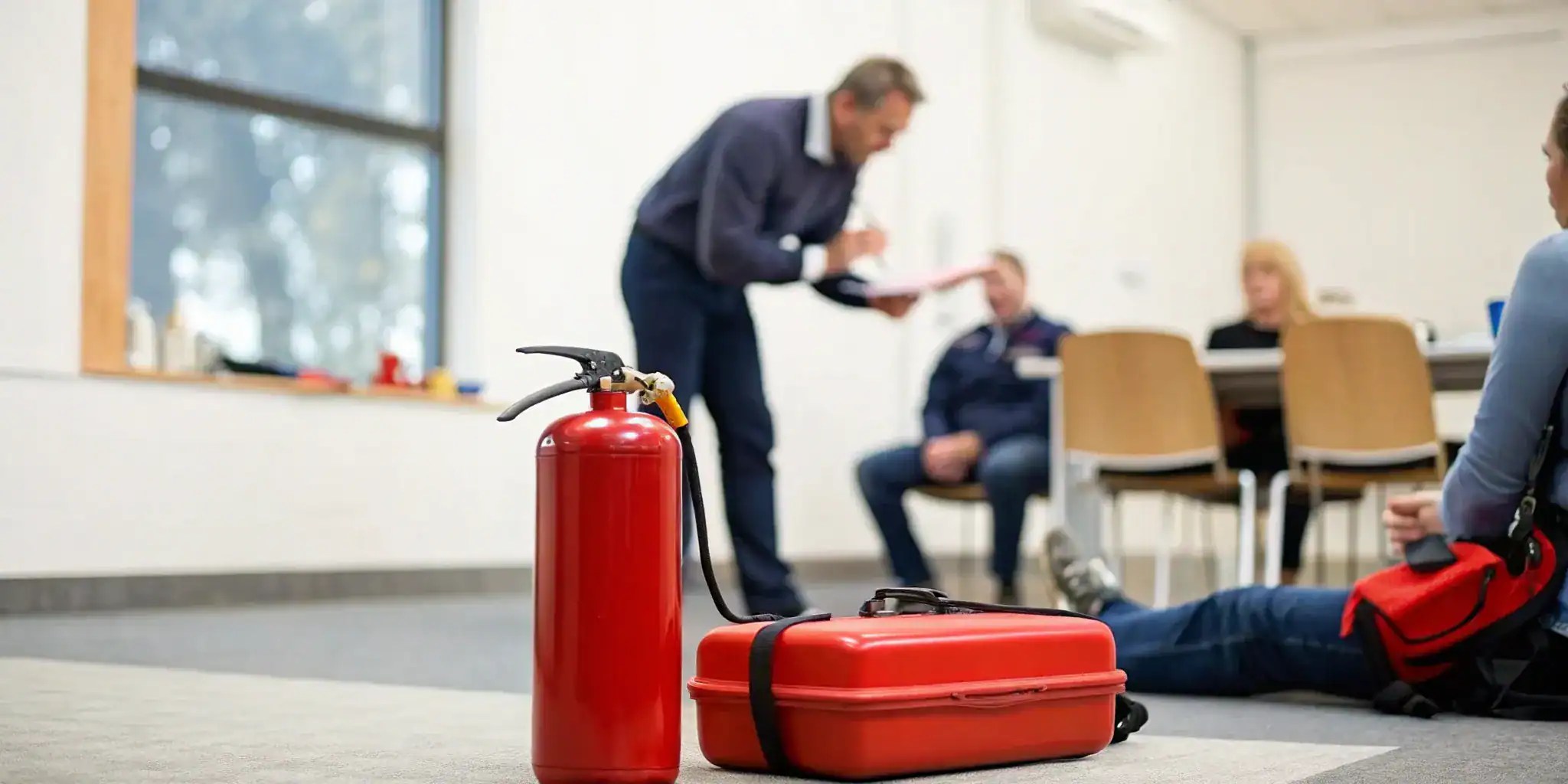
An emergency plan sitting on a shelf won’t help in a real crisis. When people are under extreme stress, they don’t rise to the occasion; they fall back on their training. The gap between having a policy and having a truly prepared team is where the real vulnerability is. Active shooter training is the bridge that closes that gap. It takes your plan off the page and turns it into practiced, life-saving skills. This guide breaks down how to create a program that builds genuine confidence and prepares every person to respond effectively.
Key Takeaways
- Move from Fear to a Clear Plan of Action: Implementing a formal response program is a core part of your duty of care. It equips your team with a clear, repeatable plan, replacing uncertainty with the confidence to act decisively and protect themselves and others.
- Customize Your Plan for Real-World Effectiveness: A one-size-fits-all approach fails in a crisis. A strong plan starts with a risk assessment of your specific environment, uses a simple framework like “Run, Hide, Fight,” and is practiced through regular drills to build life-saving muscle memory.
- Make Preparedness an Ongoing Practice: A safety plan is a living document, not a one-time task. Use after-action reviews and team feedback to constantly refine your procedures, and remember to provide mental health resources to support your employees after emotionally taxing drills.
What Is an Active Shooter Response Plan?
An active shooter response program is more than just a policy document—it’s a hands-on training plan designed to give your team the skills and confidence to react effectively if the unthinkable happens. The goal is to move beyond passive awareness and into active preparedness. A formal program provides people with the specific knowledge and abilities needed to resolve an active threat. It’s about building a clear, repeatable set of actions that can be followed under extreme stress.
A truly effective program is tailored to your specific environment, whether it’s a corporate office, a school, or a manufacturing plant. It covers everything from recognizing potential threats and understanding emergency alerts to executing response strategies like evacuating, hiding, or, as a last resort, confronting an attacker. By turning abstract safety guidelines into practical, drilled-and-practiced skills, you empower every individual to become a part of the solution, creating a safer environment for everyone.
Defining an Active Shooter Event
To build a response plan that works, your team needs a shared understanding of the threat. Vague ideas about “workplace violence” aren’t enough. An active shooter event is a specific type of crisis that demands a unique and immediate response. Getting clear on the official definition and the typical timeline helps frame the conversation and underscores why proactive training is so essential. It’s the foundation upon which all your preparedness efforts are built, ensuring everyone recognizes the situation for what it is and knows how to react without hesitation. This clarity moves the team from a place of fear to one of focused action.
The Official FBI Definition
It’s important to start with the official language used by federal agencies. The FBI defines an active shooter as “one or more individuals actively engaged in killing or attempting to kill people in a populated area.” The key phrases here are “actively engaged” and “attempting to kill.” This isn’t a situation where someone is making threats or has taken hostages to make demands; the attacker’s sole focus is to inflict mass casualties as quickly as possible. This distinction is critical because it removes any ambiguity. When an event fits this definition, the response must be immediate and decisive, as there is no time to wait or negotiate.
Understanding the Timeline: Why Every Second Counts
Active shooter events are brutally fast. Most are over in 10 to 15 minutes, often before law enforcement can even arrive on the scene. This short window means that the people already present—your employees, your team—are the true first responders. Their actions in the first few moments of an attack have the greatest impact on survival outcomes. This is why passive awareness isn’t enough. Relying on someone else to handle the situation isn’t a viable strategy. Every individual needs the training and confidence to act immediately, whether that means running, hiding, or fighting. Every second saved by a decisive action is a second that can save a life.
Active Shooter vs. Hostage Situation: Key Differences
It’s crucial for your team to understand that an active shooter event is not a hostage situation. The attacker’s motives and goals are fundamentally different, which completely changes the appropriate response. In an active shooter scenario, the goal is violence. In a hostage situation, the goal is leverage—the attacker wants something and is using people as bargaining chips. Because of this, the recommended safety protocols are nearly opposite. In a hostage crisis, you are generally advised to remain calm, follow instructions, and wait for trained negotiators. In an active shooter event, your immediate action is your best defense. Making this distinction a core part of your training prevents dangerous hesitation and ensures your team applies the right strategy for the threat they are facing.
Is Active Shooter Training Really Necessary?
Let’s be honest: no one wants to think about an active shooter situation. But as these incidents happen more frequently, being prepared is one of the most powerful ways to protect your people. Proactive training transforms fear and uncertainty into a clear plan of action. Think of it as a modern safety essential, just like fire drills. It helps build muscle memory so that in a crisis, your team can react decisively instead of freezing.
This isn’t about creating fear; it’s about building confidence. When employees know exactly what to do and where to go, they are better equipped to protect themselves and others. This preparation can dramatically change outcomes and, most importantly, save lives.
What Are Your Legal Responsibilities?
Beyond the clear moral imperative to protect your team, employers also have legal and compliance duties to consider. Under OSHA’s General Duty Clause, you have a legal responsibility to provide a workplace free from recognized hazards that could cause serious harm or death. In today’s world, that includes the potential for workplace violence. Implementing a formal active shooter training program is a critical step in fulfilling that duty.
Proper planning demonstrates that you are taking proactive measures to ensure safety. A comprehensive plan doesn’t just cover the immediate response; it also includes prevention and post-incident recovery. Documenting your training efforts and emergency plans is key to maintaining compliance and, more importantly, creating a resilient organization that prioritizes its people’s well-being.
Building an Effective Active Shooter Response Plan
A truly effective active shooter response program is much more than a binder on a shelf; it’s a dynamic, living strategy built for your specific environment and your people. It moves beyond theory and gives your team a clear, actionable plan they can recall and execute under immense pressure. Think of it as building muscle memory for an emergency. A strong program is built on three core pillars: a thorough assessment of your unique space, a simple and powerful response framework that everyone understands, and a communication protocol that cuts through the chaos. When these elements work together, you create a culture of preparedness where everyone knows their role in keeping themselves and others safe. This isn’t about creating anxiety—it’s about building confidence and resilience so your team is prepared for the unexpected. The goal is to replace panic with a plan, giving every individual the tools they need to make smart decisions in a worst-case scenario. It involves looking at your physical space, training your people on proven survival tactics, and ensuring your communication systems are ready to perform when they matter most. By focusing on these foundational components, you transform a compliance requirement into a genuine safety asset for your entire organization.
Creating a Culture of Prevention
The most powerful safety tool you have is a proactive and aware team. While a response plan is critical for reacting to a crisis, a culture of prevention aims to stop a tragedy before it ever begins. This isn’t about making one person the designated safety monitor; it’s about fostering a “whole community” approach where every single person feels a sense of ownership over the collective well-being. When preparedness becomes a shared value, your team shifts from a passive mindset to an active one. This means creating an environment where people are not just compliant, but genuinely engaged in maintaining a safe space. It’s about making situational awareness a daily habit and encouraging open communication so that potential concerns are addressed early and effectively.
Building this culture requires consistent effort from leadership. It starts with transparent communication about safety protocols and making it clear that every concern will be taken seriously. This goes beyond a single training session; it involves integrating safety into regular team meetings, internal communications, and company values. When employees see that management is genuinely invested in their security, they are more likely to become active participants. This creates a resilient workplace where people look out for one another and feel empowered to contribute to a secure environment. Ultimately, a strong prevention culture is your first and best line of defense, turning your entire workforce into a collaborative safety asset.
Recognizing and Reporting Warning Signs
A key part of prevention is teaching your team how to recognize and report potential warning signs. Training should provide clear guidance on how to spot and report suspicious behaviors that could lead to violence, without creating an atmosphere of distrust. However, this training is only effective if it’s paired with a clear, simple, and confidential reporting system. Employees must feel completely safe speaking up. As the Florida International University Police Department advises, the directive should be simple: “If you see anything suspicious… immediately call.” Your organization needs to establish who that point of contact is—be it a manager, HR, or a dedicated security team—and ensure that every report is handled with discretion and urgency. This builds the trust needed for people to come forward, making it possible to intervene before a situation escalates.
How to Identify Your Workplace Vulnerabilities
Every workplace has a unique footprint, and your safety plan should reflect that. Before you can train your team, you need to understand the specific circumstances of your environment. This means walking through your facility with a critical eye. Where are the exits? Which rooms can be securely locked? Are there areas with limited visibility or escape routes? A comprehensive workplace risk assessment should consider your building’s layout, daily operations, and the specific needs of your employees, including those with disabilities. Understanding these vulnerabilities allows you to create a tailored plan that addresses the real-world challenges your team might face, turning a generic procedure into a practical, life-saving guide.
Breaking Down the “Run, Hide, Fight” Method
When a crisis occurs, people need a simple, memorable set of actions to follow. The “Run, Hide, Fight” framework provides exactly that. It’s a straightforward, sequential strategy that empowers individuals to make survival decisions.
- Run: If there is a clear and safe escape path, your first priority is to evacuate the area. Encourage your team to leave belongings behind and help others escape if possible.
- Hide: If you can’t get out safely, find a secure place to hide. This should be a room where you can lock or barricade the door, silence your phone, and stay out of sight.
- Fight: As a last resort, and only when your life is in immediate danger, commit to disrupting or incapacitating the attacker.
This Department of Homeland Security-endorsed model is the national standard for a reason: it’s easy to remember and provides clear guidance in a high-stress situation.
Running to Safety: How to Evacuate
The first and best option in an active shooter situation is always to get away from the threat. This is the “Run” component in action. Your team’s primary goal should be to evacuate the premises if there is a safe and accessible escape route. This is where knowing your environment ahead of time becomes invaluable. During training, make sure everyone identifies primary and secondary exits from their usual workspaces. When it’s time to go, stress the importance of leaving personal belongings behind—nothing is more valuable than a life. Encourage staff to help others escape if possible, but to evacuate regardless of whether others agree to follow. Once clear of the immediate danger, they should keep their hands visible for law enforcement and move to a safe, predetermined assembly point before calling 911.
Hiding Effectively: Securing Your Location
When evacuation isn’t a safe option, the next step is to hide. The goal is to create a barrier between your team and the threat, making it as difficult as possible for an attacker to find or reach them. This means finding a room—preferably one without windows—that can be locked from the inside. Once inside, barricade the door with heavy furniture like desks, filing cabinets, or anything else available. Everyone should silence their cell phones completely, including vibrations, and turn off any lights or sources of noise. The final step is to spread out, stay low to the ground, and remain quiet and out of sight, away from the door. These actions make the room appear unoccupied and create a strong defensive position while waiting for help to arrive.
Fighting as a Last Resort: Committing to Action
Fighting back is the absolute last resort, to be used only when your life is in immediate and unavoidable danger. This is not about being a hero; it is a committed act of survival intended to disrupt and incapacitate the attacker, creating a window for escape. This requires a mental shift from passive victim to active participant. Encourage your team to act with as much aggression as possible and to use anything at their disposal as an improvised weapon—a fire extinguisher, a chair, a heavy book, or even a pair of scissors. Working together as a group to swarm and overwhelm the attacker is far more effective than acting alone. The element of surprise is your greatest advantage. The goal is to do whatever it takes to stop the threat and survive.
Exploring Alternatives: The ALICE Framework
While “Run, Hide, Fight” is a simple and effective model, some organizations prefer a more flexible, options-based approach. The ALICE training program provides another proven framework for active shooter response. Unlike the linear progression of “Run, Hide, Fight,” ALICE empowers individuals to make informed decisions based on their specific situation. It acknowledges that a crisis is chaotic and that the right response can change from one moment to the next. By providing a more dynamic set of strategies, ALICE training prepares people to react to the situation as it unfolds, rather than following a rigid, predetermined sequence. This approach can build a deeper level of confidence and adaptability within your team.
Alert, Lockdown, Inform, Counter, and Evacuate
The ALICE acronym stands for five core strategies that can be used in any order. Alert is about using clear, specific language to warn others of the danger. Lockdown is the classic “hide and barricade” strategy, but with an important distinction: it’s a starting point, not an end point. Inform is a continuous process of using any available technology—like PA systems or text alerts—to give people real-time information about the attacker’s location so they can make better decisions. Counter focuses on creating noise, movement, and distractions to interfere with the attacker’s ability to aim and shoot accurately. Finally, Evacuate means removing yourself from the danger zone whenever a safe path becomes available. The key is that these are all options, not steps, allowing for a more fluid and proactive response.
How Will You Communicate During an Emergency?
During an emergency, confusion is the enemy. A clear and reliable communication plan is essential for keeping everyone informed and safe. Your plan should use multiple channels—like text alerts, overhead announcements, and a dedicated phone tree—to ensure the message gets through. Work with your team to create a detailed emergency communication plan that outlines exactly how you will share information during a lockdown or evacuation. Use simple, direct language and have pre-scripted messages ready to go. This ensures that instructions are delivered quickly and without ambiguity, guiding your team and providing critical information to first responders as they arrive on the scene.
What to Tell the 911 Operator
When you call 911, the information you provide can directly impact how quickly and effectively first responders can act. Stay as calm as you can and give the dispatcher clear, concise details. Start with the most critical information: the location of the incident, being as specific as possible with the building name, floor, and room number. Then, provide the number of shooters you know of, a description of them, and the type of weapons they have, if you can see them. It’s also vital to share the number of people at your location and report any known injuries. Every piece of information helps the dispatcher build a clear picture for the officers heading your way, allowing them to form a safer and more effective response strategy.
Interacting with Law Enforcement
When law enforcement arrives, the scene will be chaotic and tense. Their primary goal is to neutralize the threat as quickly as possible, and they are trained to follow specific protocols to achieve that. It’s important to understand that they won’t know who is a victim and who is a threat. Your actions in these first few moments are critical for your safety and can help officers secure the area more efficiently. Knowing what to expect and how to react can prevent misunderstandings and ensure everyone’s safety. Following their instructions without hesitation is the most important thing you can do to help them help you.
Understanding Their First Priority
It can be jarring to see, but the first officers on the scene will be focused on one thing: stopping the shooter. This means they may move past injured individuals without stopping to help. Their training dictates that they must neutralize the threat before it’s safe for medical personnel to enter and begin treating the wounded. A separate team of officers and EMS will follow to provide aid once the area is secure. Understanding this protocol ahead of time can help you process a very difficult situation. Their immediate objective is to stop more harm from being done, which is the first step in creating a safe environment for everyone.
How to Respond When Officers Arrive
Your cooperation is key when officers enter the room. They need to assess the situation instantly, and your behavior can help them do that safely. The most important rule is to keep your hands visible at all times. Immediately raise your hands, spread your fingers, and make sure your palms are empty. Avoid making any sudden movements, pointing, or screaming, as these actions can be misinterpreted. Follow every command you are given without hesitation. Officers may be loud and direct—this is to maintain control in a chaotic environment. Do not stop to ask questions or grab your belongings. Just listen and obey their instructions to ensure a safe evacuation.
What to Expect After You’re Safe
Once you have been evacuated to a secure location, the process is not over. Law enforcement will need to conduct interviews with everyone who was present to gather a complete picture of the event. You will be asked to provide details about what you saw and heard, including information about the shooter and the timeline of events. This is a crucial part of the investigation. Be patient and cooperate fully, as your account can provide valuable information. After the initial interviews, it’s important to focus on your well-being. These events are traumatic, and seeking out mental health resources and support is a critical step in the recovery process.
How Prepared Is Your Team Right Now?
Before you can build a stronger safety program, you need an honest picture of where you stand today. This isn’t about finding fault; it’s about creating a clear starting point. Taking the time to assess your current readiness will help you focus your efforts, use your resources wisely, and build a plan that truly fits your organization’s needs. Let’s walk through how to get a realistic view of your preparedness.
Take Stock of Your Current Safety Measures
Start with what you already have in place. Pull out your existing emergency action plan, employee handbooks, and any safety protocols you currently follow. When was the last time these documents were updated? Look beyond the paperwork at your physical environment. Do you have controlled access points, security cameras, or a clear visitor management policy?
Think about any drills or training you’ve conducted in the past. What went well? What challenges came up? A strong program involves a consistent evaluation of plan effectiveness after every exercise to identify what works in the real world. This initial review gives you a foundational understanding of your strengths and the areas that need immediate attention.
Where Are the Weak Spots in Your Plan?
Once you know what you have, you can start looking for what’s missing. A comprehensive strategy addresses three distinct phases: prevention, response, and recovery. Does your current plan cover all three, or is it focused only on what to do during an event? Consider your specific vulnerabilities. Are there unsecured areas in your building? Is your emergency communication system reliable for reaching everyone, including remote workers or visitors?
Think about your people. Does your plan account for employees with disabilities or those who may need extra assistance during an evacuation? Effective training must address the unique circumstances your team faces. Identifying these gaps now ensures that the training you implement will be relevant, practical, and truly effective for every member of your organization.
Establish Your Starting Point
Your evaluation and gap analysis combine to create a baseline—a clear, documented snapshot of your organization’s current level of preparedness. This baseline is your starting point for all future improvements. It’s not a grade, but a guide. It helps you prioritize what needs to be done first, whether that’s updating an outdated policy, securing a vulnerable entry point, or scheduling foundational training for your staff.
This documented baseline is also crucial for getting buy-in from leadership and allocating resources effectively. It transforms vague safety concerns into a concrete action plan with measurable goals. This clarity helps you choose the best active shooter training program because you’ll know exactly what skills and procedures your team needs to learn.
Planning Your Active Shooter Training Program
Once you have a clear picture of your current safety posture, you can move into the planning phase. A successful active shooter response program requires thoughtful preparation, a dedicated team, and a commitment to consistency. Breaking the process down into manageable steps makes it much less overwhelming. Here’s how to get started.
Assemble Your Team and Connect with Law Enforcement
Putting together the right team is your first critical step. This group will champion the program and manage its implementation. Your team should include representatives from different parts of your organization, like HR, management, security, and even volunteer employees who are passionate about safety. This ensures you get diverse perspectives and buy-in from across the company.
Once your internal team is in place, reach out to external experts. Collaborating with local law enforcement can provide invaluable, real-world insights tailored to your community’s specific circumstances. These professionals can review your plan, offer guidance on drill scenarios, and help your team understand what to expect from first responders during an actual event.
Planning for Individuals with Access and Functional Needs
A truly effective safety plan works for everyone, not just the majority. This means proactively planning for individuals with access and functional needs (AFN)—a term that includes people with disabilities, older adults, children, or anyone who might need extra assistance during an emergency. A standard evacuation plan might not work for someone with a mobility impairment, and an audible alarm is useless for an employee who is deaf or hard of hearing. The best way to address these gaps is to include people with diverse needs in your planning process. Ask for their input on communication methods, evacuation routes, and potential barriers. This collaborative approach ensures your plan is practical and truly inclusive, moving beyond compliance to create a genuinely safe environment for every member of your team.
How Often Should You Conduct Training?
Active shooter response training isn’t a “one and done” item on your checklist. To be effective, it needs to be a regular part of your company culture. The goal is to build muscle memory so that in a high-stress situation, your team can act decisively without hesitation. Regular training sessions ensure everyone stays familiar with the protocols and can respond effectively.
A good starting point is to schedule comprehensive training annually, with smaller, more focused refreshers—like tabletop exercises or departmental reviews—held quarterly. The ideal frequency depends on factors like your organization’s size, employee turnover, and specific risk profile. The key is consistency. A recurring schedule keeps preparedness top of mind for everyone.
Budgeting for Your Safety Program
Effective training requires a dedicated budget. While it might seem like another expense, it’s truly an investment in your people’s safety and your organization’s resilience. As an employer, you have a responsibility to provide a safe workplace, and this training helps you meet critical safety standards like OSHA’s General Duty Clause.
Your budget should account for instructor fees, training materials, and the cost of employee time spent in training. Remember that the cost of inaction is far greater. Investing in a high-quality program not only prepares your team but also demonstrates a powerful commitment to their well-being, which can strengthen trust and morale throughout your organization.
Leveraging Free Government Training Resources
You don’t have to build your training program from scratch or break the bank to do it. Several government agencies offer high-quality, free resources designed to help organizations like yours prepare for an active threat. The Cybersecurity and Infrastructure Security Agency (CISA) is a fantastic starting point. They provide a library of materials, including online courses, planning templates, and informational videos that cover the core principles of an effective response. These tools are an excellent way to build a foundational layer of knowledge across your team and supplement the hands-on, scenario-based training that builds true muscle memory. Using these resources helps you establish a baseline of awareness before you bring in professionals for more intensive, practical drills, ensuring everyone understands the basics from day one.
Choosing the Right Drills for Your Team
Once you have a response plan, you need to practice it. Drills turn theory into action, building the muscle memory your team needs to react confidently under pressure. A well-rounded training program doesn’t just rely on one type of drill; it uses a layered approach that builds skills and confidence over time. By starting with low-stress discussions and gradually moving toward more realistic scenarios, you can prepare your team without causing unnecessary anxiety.
This tiered approach ensures everyone understands their role, knows the procedures, and has practiced them in a controlled environment. Each type of drill serves a specific purpose, from identifying gaps in your plan to testing how your team performs under simulated stress. Let’s walk through the three main types of drills you should incorporate into your active shooter response training.
Ease In with Tabletop Exercises
Think of a tabletop exercise as a guided conversation. This is the perfect place to start because it’s a low-stress, discussion-based activity. Your team gathers in a room to talk through a hypothetical active shooter scenario, step by step. An instructor facilitates the discussion, posing questions like, “What’s the first thing you do?” and “How do you communicate a lockdown?”
The goal here isn’t to simulate panic but to calmly review your emergency plan and identify any weak spots. It allows participants to evaluate their response in a safe setting, ask questions, and clarify their roles. These exercises are incredibly effective for uncovering gaps you might have missed on paper and making sure everyone is on the same page before you move on to more hands-on drills.
Practicing Your Evacuation and Lockdown Procedures
After you’ve talked through the plan, it’s time to walk through it. Evacuation and lockdown drills are the physical rehearsals of your emergency procedures. These drills should be practiced regularly—at least twice a year—so that the actions become second nature. During an evacuation drill, everyone practices leaving the building using predetermined escape routes and gathering at a safe assembly point.
Lockdown drills are just as critical. In this scenario, your team practices securing their immediate area by locking doors, turning off lights, silencing phones, and staying out of sight. The key to these drills is repetition. The more familiar your employees are with the procedures, the more likely they are to react quickly and correctly in a real crisis. These drills help build the practical skills and situational awareness needed to protect themselves and others.
When to Run a Full-Scale Simulation
Full-scale simulations are the most realistic and intensive form of training. These exercises are designed to mimic a real event as closely as possible in a controlled environment, sometimes involving role-players or simulated sounds to create a high-stress atmosphere. This is where your team gets to practice the “Run, Hide, Fight” framework in a dynamic scenario. While these drills can be intense, they are invaluable for preparing people for the adrenaline and confusion of a real-life incident.
Because of their complexity and potential for emotional impact, full-scale simulations should always be led by trained professionals. A well-run simulation provides powerful, hands-on experience that a simple drill cannot. It tests not just your plan but your team’s ability to make critical decisions under pressure. This level of onsite group training is the ultimate test of your preparedness and provides the most impactful lessons for improving your response.
Understanding Your Legal Responsibilities
While the main goal of active shooter response training is to protect your people, there’s also a crucial legal component to consider. Thinking about liability isn’t about checking boxes; it’s about building a responsible, defensible safety program that protects your organization and everyone in it. As an employer, you have a fundamental responsibility to provide a safe environment, and that includes preparing for foreseeable threats like workplace violence.
This responsibility is formalized in regulations like OSHA’s General Duty Clause, which requires employers to maintain a workplace free from recognized hazards that could cause death or serious harm. In recent years, workplace violence has increasingly been viewed as one of these recognized hazards. A well-structured and documented training program demonstrates that you are taking proactive, reasonable steps to meet this duty of care. Let’s break down the three main legal areas you need to focus on: your liability, your documentation, and your insurance coverage.
What Is Your “Duty of Care”?
At the heart of workplace safety is the concept of “duty of care.” This is your organization’s legal and ethical obligation to act prudently to avoid causing harm to your employees, clients, and visitors. When it comes to active shooter preparedness, this means taking reasonable measures to prevent and prepare for an incident. Simply hoping it won’t happen is not a strategy and could be interpreted as negligence.
Providing professional active shooter response training is a powerful way to demonstrate you are meeting this duty. It shows you’ve recognized a potential hazard and have taken concrete steps to equip your team with the skills to protect themselves. This training helps your business follow established safety guidelines and reduces your legal risk should the unthinkable occur.
Why You Need to Document Everything
If your safety program isn’t documented, it’s almost as if it never happened from a legal standpoint. Meticulous record-keeping is your proof of due diligence. You should maintain a comprehensive file that includes your emergency action plan, records of all training sessions with employee attendance sheets, and notes from every drill you conduct. Your documentation should cover all phases of your plan: prevention efforts, response protocols, and recovery plans.
This paper trail serves two key purposes. First, it helps you track progress and identify areas for improvement within your own program. Second, it serves as a critical legal safeguard. In the event of an incident, these records demonstrate a history of proactive planning and a clear, good-faith effort to protect your team, which can be invaluable in limiting liability.
Does Your Insurance Cover This?
Don’t assume your general liability policy covers an active shooter event. Many standard policies have exclusions for acts of violence, so it’s essential to sit down with your insurance provider to understand exactly what is and isn’t covered. You may need to explore specialized coverage, sometimes called Active Assailant or Workplace Violence insurance, which is designed to cover the unique costs associated with these tragedies.
When you speak with your provider, be sure to discuss your training program. Some insurers may look more favorably upon organizations that use certified instructors with law enforcement or emergency response backgrounds. The quality of your training can directly impact your risk profile and, in some cases, your premiums or ability to secure coverage.
How to Handle Common Roadblocks
Putting an active shooter response program into place is a significant step, and it’s normal to run into a few hurdles along the way. The most effective programs are built by leaders who anticipate these challenges and plan for them from the start. Thinking about this topic can be stressful for everyone involved, and logistics like budgets and scheduling can feel complicated, especially for organizations with multiple locations. These aren’t signs of a flawed plan; they’re predictable parts of a complex but vital process.
The key is to approach implementation with a clear, supportive strategy. By focusing on clear communication, smart resource allocation, and consistent standards, you can move past these common obstacles. It’s about being proactive rather than reactive. Let’s walk through how to handle three of the biggest challenges you might face: employee anxiety, budget constraints, and maintaining consistency across different sites. Addressing these head-on will not only make your rollout smoother but will also strengthen the final program. With the right approach, you can build a program that not only meets compliance standards but also genuinely empowers your team to feel safer and more prepared.
How to Address Employee Fear and Anxiety
It’s completely understandable for your team to feel anxious about active shooter training. The topic is inherently frightening, and resistance often comes from a place of fear. The best way to address this is with empathy and open communication. Before you even schedule a drill, explain the purpose of the training: it’s about providing life-saving skills and a sense of control in a worst-case scenario, not about causing panic.
Choose trainers who are experienced in creating a supportive environment and can address the specific concerns of your workplace. Providing support for your employees before, during, and after the training is crucial. This helps transform fear into confidence and ensures everyone feels respected throughout the process.
How to Train on a Tight Budget
Every organization works with a budget, and it can be tempting to think effective safety training is out of reach. However, managing limited resources is more about strategic planning than massive spending. Start by conducting a thorough risk assessment to identify your most critical vulnerabilities. This allows you to focus your time and money where they will have the greatest impact.
You can also implement training in phases. Begin with low-cost options like tabletop exercises and online learning modules to build a foundational understanding. After each drill, conduct an after-action review to evaluate what worked and what didn’t. This process of continuous improvement ensures that every dollar you invest is used to make your emergency plan more effective over time.
How to Ensure Consistency at Every Site
For businesses or school districts with multiple sites, ensuring every location is equally prepared is a major challenge. A crisis won’t happen in a vacuum, and a consistent response protocol is essential for a coordinated, effective reaction. Inconsistency creates confusion when it matters most, undermining the safety of your entire organization.
The solution is to develop a core emergency plan that establishes a single, clear standard for response while allowing for site-specific details. Partnering with a national training provider can ensure that every employee, regardless of their location, receives the same high-quality instruction. Designate a safety leader at each site to oversee implementation and create a centralized place for all training documents, ensuring everyone is always working from the same playbook.
How to Care for Your Team After a Drill
Active shooter response training is designed to build confidence and empower your team, not to create anxiety. But let’s be honest: simulating a crisis can be emotionally and mentally taxing. The training doesn’t end when the drill is over. A thoughtful follow-up plan is just as critical as the training itself. It ensures your employees process the experience constructively, reinforces the skills they learned, and solidifies a culture of safety and mutual support. By prioritizing your team’s well-being after the fact, you transform a potentially stressful event into a powerful tool for building resilience. This follow-through is what separates a check-the-box exercise from a truly effective preparedness program. It shows your team that you’re invested not just in their safety, but in their overall health. When employees see that their emotional well-being is a priority, they are more likely to engage fully in future training and trust the safety protocols you’ve put in place. This creates a positive feedback loop where preparedness and psychological well-being reinforce each other, making your entire organization stronger and more resilient.
Acknowledge That Training Can Be Stressful
The moments immediately following a drill are crucial. It’s essential to gather everyone for a debrief to discuss the experience in an open and supportive environment. This isn’t about pointing fingers; it’s about talking through what happened, what felt challenging, and what went well. Acknowledging that these simulations can feel intense validates your team’s feelings and gives them a space to process them. You can guide the conversation by asking what they learned and how their confidence has grown. This approach helps reframe the experience, turning potential anxiety into a constructive learning opportunity that strengthens your team’s readiness.
Connect Your Team with Mental Health Support
While a group debrief is a great start, some team members may need more personal support. It’s important to proactively and visibly share information about available mental health resources. Remind your employees about your company’s Employee Assistance Program (EAP) or other wellness benefits that offer confidential counseling. Make sure this information is easy to access—send it in a follow-up email, post it in a common area, and have managers share it directly. Normalizing the act of seeking support is key. By treating mental well-being as a standard part of your safety protocol, you create a culture where employees feel safe asking for help when they need it.
Build a System for Ongoing Support
Supporting your team is a continuous process, not a one-time event. True preparedness involves building a foundation of psychological safety where employees feel secure and trusted all the time, not just after a drill. Check in with your team members in the days and weeks following the training to see how they’re doing. Encourage managers to maintain an open-door policy for discussing any lingering concerns. The ultimate goal is to replace fear with a sense of empowerment and readiness. When your team knows there’s a system of support in place, they can focus on mastering the skills that will keep them and their colleagues safe during an emergency.
Measuring Success and Improving Your Plan
Active shooter response training isn’t a one-time event; it’s a continuous cycle of learning and refinement. Once you’ve implemented your program and run your first drills, the real work of improvement begins. The goal is to create a living safety plan that adapts to new information, evolving threats, and the specific needs of your team. This ongoing process ensures your workplace doesn’t just have a plan on paper, but a resilient safety culture where everyone feels prepared and confident. It’s about moving beyond a checklist and fostering a mindset of constant readiness.
Measuring your program’s effectiveness isn’t about assigning blame or pointing out failures. It’s about identifying opportunities for growth with honesty and a shared commitment to safety. By systematically reviewing your performance, listening to your team, and staying current with best practices, you can build a program that truly protects your people. This commitment transforms your training from a simple compliance task into a powerful tool for building a genuinely safe environment. Think of it like any other critical business function—it requires regular check-ins, data analysis, and strategic adjustments to succeed. Let’s walk through the key steps to make sure your program stays effective and relevant over the long term.
Debrief After Every Drill
After every drill or exercise, your team should conduct an After-Action Review (AAR). This is a structured, no-blame discussion focused on what happened and how to improve. The conversation should cover four key questions: What did we plan to do? What actually happened? Why did it happen that way? And what will we do differently next time? The goal is to have an open dialogue where everyone, from leadership to front-line staff, can share their observations. This process is critical to evaluate plan effectiveness and turn lessons from the drill into concrete improvements for your emergency response plan. Document the findings and create an action plan to address any identified gaps.
Ask for Feedback and Track Your Progress
Your team’s perspective is one of your most valuable resources. After a training session, use anonymous surveys to gather honest feedback. Ask participants how clear the instructions were, how realistic the scenarios felt, and what they found most challenging. This qualitative data helps you understand the human element of your plan. Alongside feedback, track quantitative metrics during drills. Measure things like how long it took to initiate a lockdown, the clarity of emergency communications, or the percentage of staff who evacuated to the correct assembly point. This data provides objective insights into the effectiveness of training programs and helps you pinpoint specific areas that need more attention or practice.
Keep Your Plan Up-to-Date
A safety plan should never be left to gather dust on a shelf. Treat it as a living document that requires regular attention. Based on your AARs and feedback, update your procedures, training materials, and communication protocols. Schedule an annual or semi-annual review of the entire program to ensure it still aligns with your organization’s risks and current best practices. When choosing the best active shooter training program, look for a partner who can help you adapt to new threats and incorporate lessons learned from real-world events. This commitment to continuous improvement is what builds a truly resilient and prepared workplace culture.
Related Articles
- 8 Ways to Improve Workplace Emergency Preparedness — CPR1
- The Ultimate Guide to Active Shooter Training
- The Ultimate Active Shooter Tabletop Exercise PPT
Frequently Asked Questions
Will this training traumatize my employees? This is a completely valid concern, and it’s one of the most common questions I hear. The goal of this training is to empower people, not frighten them. A well-designed program, led by experienced instructors, focuses on building skills and confidence in a supportive environment. The process should start with calm, discussion-based exercises and only move to more hands-on drills when your team feels ready. Open communication is key—explaining the purpose beforehand and holding a debrief afterward helps everyone process the experience constructively.
We’re a small business with a limited budget. Can we still create an effective program? Absolutely. An effective program is about being strategic, not just spending a lot of money. Your first and most important step is a thorough risk assessment of your space, which costs nothing but your time. From there, you can start with foundational, low-cost measures like creating a clear communication plan and practicing tabletop exercises. These steps build a strong base of preparedness you can expand on over time as your resources allow.
How often do we really need to train? Is one session enough? Think of preparedness like any other critical skill—it fades if you don’t use it. A one-time training session is a great start, but it isn’t enough to build the lasting muscle memory needed for a real crisis. For the best results, you should hold a comprehensive training session annually, with smaller, more focused drills like a lockdown walk-through or a tabletop scenario each quarter. Consistency is what keeps your team sharp and your plan effective.
What is the single most important first step if we’re starting from scratch? If you have nothing in place, your first step is to walk through your physical space and create a basic emergency action plan. Identify all your exits, determine the most secure rooms for a lockdown, and decide how you will communicate with everyone in an emergency. Documenting these simple things gives you a foundation to build on and immediately moves you from a place of uncertainty to one of active planning.
Do we have to run a full-scale, high-stress simulation? No, you don’t have to start there, and some organizations may never need that level of intensity. A good training program uses a layered approach. You should begin with tabletop exercises to ensure everyone understands the plan, then move to practical drills like practicing evacuation routes. Full-scale simulations are an advanced tool for testing your plan under pressure, but they should only be conducted after your team has mastered the fundamentals in a lower-stress environment.
Disclaimer for information purposes only:
The information provided on this website is intended for general educational and informational purposes only. It is not medical advice and should not be used as a substitute for professional diagnosis, treatment, or care. Always consult a qualified healthcare or medical professional regarding any health-related questions or concerns.
While we strive to ensure the information shared is accurate and up to date, no guarantees are made regarding completeness, accuracy, or applicability to any individual situation. Use of this content is at the reader’s sole discretion and risk.
This website is part of the Response Ready family of emergency preparedness and training resources, including CPR & first aid training and compliance services, AED sales and program support, AED program management software, and medical oversight solutions provided through our affiliated platforms:
• AEDLeader.com
• ResponseReady.com
• AEDTotalSolution.com
• MDSIMedical.com
By accessing or using this website, you agree to release, indemnify, and hold harmless the website owners, authors, contributors, and affiliated entities from any claims, losses, damages, or liabilities arising from the use or reliance on the information presented.

Anastasios Giannikas
Anastasios Giannikas
Save Lives with the Right AED Today
Buy Trusted AEDs from AED Leader Today!
Get Certified in CPR and Make a Difference!


