



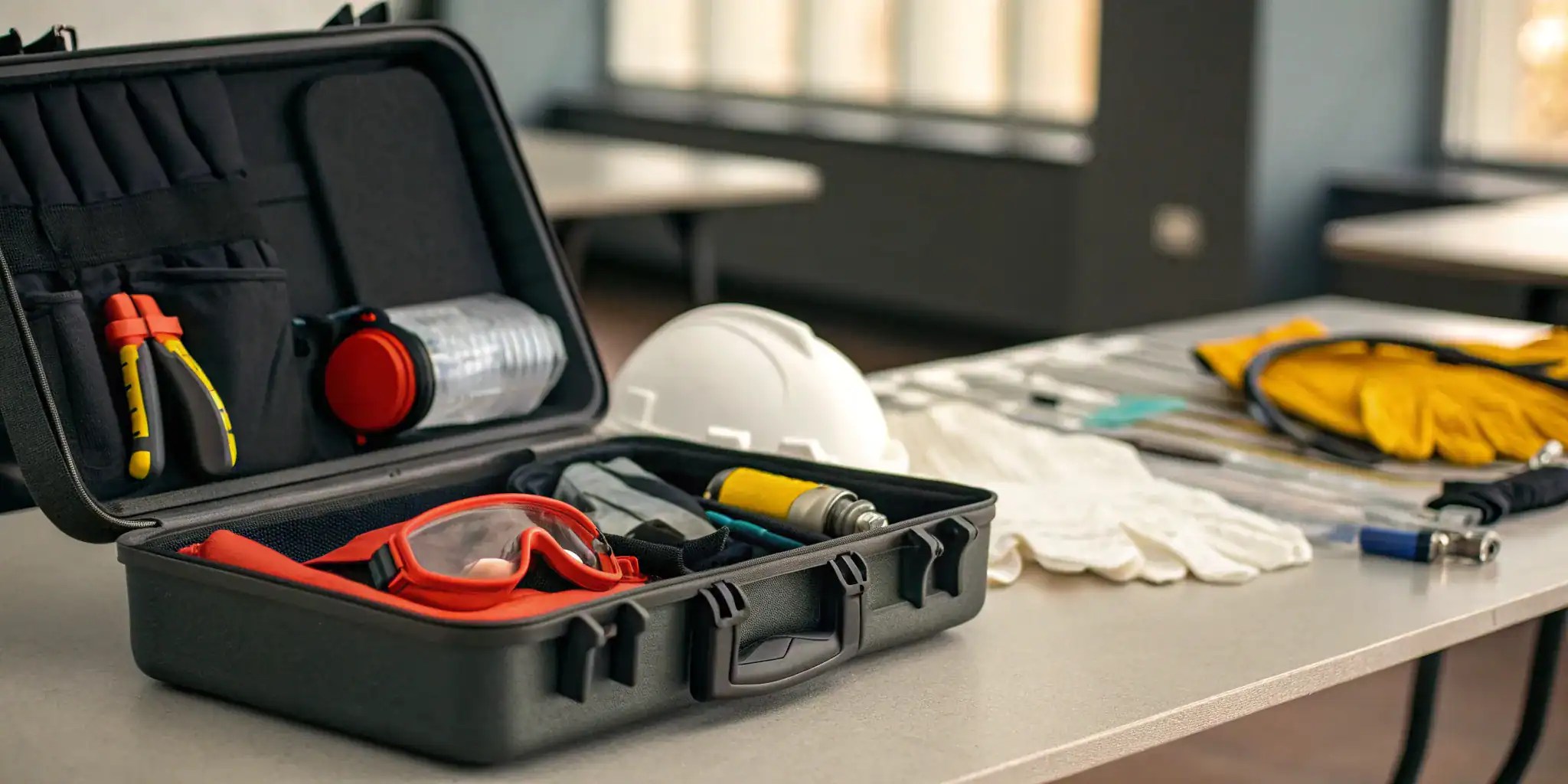
Your organization likely has detailed plans for fires and medical emergencies. But a truly comprehensive safety plan must also account for human-caused threats. This is where active shooter training comes in. It’s not about creating fear; it’s about building confidence and readiness. This training gives your team a clear set of actions for a violent incident, bridging the crucial gap until help arrives. But what is active shooter training, really? The process of choosing active shooter training is key. This guide will clear up common myths and show you how to integrate a program that makes your entire team feel prepared and capable.
Key Takeaways
- A Clear Plan Overcomes Panic: Active shooter training provides a mental roadmap, giving your team practiced, decisive actions to rely on during a crisis. This preparation builds the confidence needed to act effectively when every second is critical.
- Effective Training is Tailored and Practical: Look for programs customized to your specific workplace and led by instructors with real-world emergency experience. Hands-on drills are essential for building the muscle memory that turns knowledge into a life-saving response.
- Build a Lasting Culture of Safety: The skills learned—like situational awareness and clear communication under pressure—extend beyond a single threat. This training creates a more vigilant and prepared team, strengthening your organization’s overall safety every day.
What is Active Shooter Training?
Active shooter training is a proactive safety program designed to prepare individuals for the unthinkable. It moves beyond the passive “hide and hope” approach, equipping people with a practical set of skills to protect themselves and others during a violent critical incident. The core goal is to reduce panic and build confidence by providing clear, actionable options. Think of it like a fire drill or CPR certification—it’s a vital skill you hope you never need, but one that can make all the difference in an emergency.
This type of training isn’t about creating fear; it’s about empowerment. By understanding how to react, you can shift from a state of helplessness to one of control. A quality program provides a framework for survival that can be adapted to any environment, whether it’s an office, a school, or a community center. The training gives you and your team a shared language and plan, ensuring everyone can work together to increase their chances of survival. Ultimately, it prepares you to make decisive, life-saving choices under immense pressure.
Defining an Active Shooter Event
So, what exactly is an active shooter event? The official definition is straightforward: it’s when one or more individuals are actively trying to kill people in a populated area, typically with a firearm. These situations are dangerously unpredictable and evolve rapidly, which is why they feel so overwhelming. According to the Cybersecurity and Infrastructure Security Agency (CISA), most incidents are over within 10 to 15 minutes, often before law enforcement can even get to the scene. This short timeframe is precisely why personal preparedness is so vital. Understanding the nature of these events is the first step in creating an effective response plan, shifting the focus from fear to a clear-headed strategy for survival.
The Critical First Few Minutes
In the first few moments of an attack, chaos is the biggest obstacle. The suddenness of the event can cause confusion and panic, making it difficult to think clearly. This is where training makes a tangible difference. It provides a mental script to follow, replacing fear with a set of practiced actions. As FEMA’s training materials emphasize, having a plan helps you make quick, decisive choices that can save lives. The goal is to build readiness so that your response becomes almost automatic. When you are prepared to act, you are no longer just a bystander; you become an active participant in your own safety and the safety of those around you.
What Does Training Actually Cover?
Effective active shooter training is comprehensive, covering the entire spectrum of an event from prevention to response. It starts by teaching situational awareness and how to recognize potential warning signs of violence. From there, the curriculum focuses on creating and implementing a site-specific emergency action plan, so your team knows exactly what to do and where to go.
During the training, you’ll learn proven response strategies like Run, Hide, Fight, or the ALICE method, which provides a more dynamic set of options. Instructors will guide you through how to barricade a room, communicate effectively with law enforcement, and provide basic first aid to the injured. The training is designed to give you practical skills that build confidence and reduce the chaos and uncertainty of a real-world incident.
Immediate First Aid and Bleeding Control
In any emergency, the minutes before professional help arrives are the most critical. Active shooter training equips your team with essential first aid skills, focusing on how to control severe bleeding. Uncontrolled hemorrhage is a leading cause of preventable death in trauma situations, and simple interventions can save a life. Participants learn how to apply direct pressure, pack a wound, and properly use a tourniquet. These are not complex medical procedures; they are straightforward actions anyone can learn. By integrating programs like Stop the Bleed into the training, you empower every team member to become an immediate responder, giving them the confidence and ability to care for the injured until paramedics are on the scene.
Interacting with Law Enforcement
When law enforcement arrives, the situation will be intense and fast-moving. Their first priority is to neutralize the threat, not to tend to the injured. Understanding their procedures is key to ensuring your own safety and helping them work effectively. Training covers exactly what to expect: officers will move quickly, shout commands, and may not be able to distinguish you from a potential threat at first. You’ll learn how to react by showing your empty hands, following all instructions without hesitation, and avoiding sudden movements. This knowledge helps reduce panic and prevents misunderstandings, allowing officers to secure the area more efficiently. As FEMA guidance points out, this preparation is vital for a safe and calm interaction.
Planning for Post-Incident Recovery
A complete safety plan extends beyond the incident itself. A significant part of active shooter training involves preparing for the aftermath and creating a plan for recovery. This process addresses both the immediate logistical challenges, like accounting for all personnel and managing communications, and the long-term needs of your team. The training helps you establish a framework for providing mental health resources, supporting those who are grieving or traumatized, and navigating a return to normal operations. By thinking through these steps ahead of time, your organization can build a resilient foundation, ensuring you have the strategies in place to heal and support your community after a crisis.
Myths About Active Shooter Training You Need to Stop Believing
One of the biggest hurdles to training is the thought, “It will never happen here.” While the statistical risk may feel low, this mindset can lead to a dangerous lack of preparation. An active shooter event is, by nature, unpredictable, and having a plan is your single greatest asset. Preparedness isn’t about predicting the future; it’s about ensuring you have the tools to handle a crisis if one occurs.
Another common myth is that this training is only for security guards or law enforcement. In reality, everyone in an organization—from front-desk staff to leadership, from teachers to students—benefits from knowing how to respond. These incidents are often over before police can arrive, making the actions of those on-site critical. Empowering civilians with these skills is essential for creating a truly resilient and safe community.
Why Your Team Needs Active Shooter Training
Thinking about an active shooter event is unsettling, but ignoring the possibility leaves your team vulnerable. The goal of active shooter training isn’t to create fear; it’s to build confidence and replace panic with a clear, decisive plan. When people know what to do, they are empowered to protect themselves and those around them. This training is one of the most critical investments you can make in your team’s well-being and your organization’s resilience.
By providing professional training, you move from a passive, hopeful stance on safety to an active, prepared one. It equips your employees with life-saving skills that give them a sense of control in a chaotic situation. More than that, it creates a shared sense of responsibility and awareness that strengthens your entire workplace culture, making everyone safer in the long run.
Create a Clear Plan and Build Team Confidence
In a crisis, hesitation can be dangerous. Without training, the natural human response is often to freeze. Active shooter training provides a mental roadmap, giving your team a set of clear, practiced actions to draw upon when every second counts. It teaches individuals how to assess a situation quickly and decide on the best course of action, whether that’s evacuating, hiding, or defending themselves.
Effective training goes beyond a single directive. It prepares people with a variety of skills to protect themselves and others, no matter the scenario. A key component is learning how to build situational awareness, which helps employees identify potential dangers or suspicious behaviors before an incident even begins. This proactive mindset turns anxiety into agency, giving your team the confidence that they know how to respond effectively.
Create a Culture of Safety and Awareness
One of the biggest barriers to preparedness is the “it won’t happen here” mindset. Unfortunately, violent events often occur in places that feel safe and familiar. Relying on hope instead of a plan can lead to being unprepared when it matters most. By implementing active shooter training, you directly challenge this complacency and establish safety as a core value within your organization.
This training fosters a collective sense of security and responsibility. When everyone understands the protocols, they are more likely to notice and report concerning behaviors, strengthening your overall security posture. This creates a more resilient environment where safety is a shared priority. Resources on Active Shooter Preparedness from government agencies like CISA emphasize that a prepared community is a safer one. When your team is trained, they are not just protecting themselves—they are contributing to a culture where everyone looks out for one another.
Adopting a “Whole Community” Approach to Safety
Safety isn’t just the responsibility of a designated few; it’s a collective effort. This is the core idea behind the “whole community” approach advocated by agencies like CISA, where everyone has a role in preparedness. When your entire team is trained, they share a common language and understanding of your emergency plan. This creates a network of prepared individuals who can support each other, rather than relying on a single point person. This shared ownership transforms your safety plan from a document in a binder into a living part of your culture.
Putting this into practice means empowering every member of your community with practical skills. The actions of civilians are often the most critical in the first few minutes of an incident, before first responders can arrive. By equipping each person with knowledge—like how to recognize warning signs, barricade a room, or apply basic first aid—you turn potential victims into empowered individuals capable of taking protective action. This ensures that anyone can play an important part in reducing harm and saving lives during a crisis.
Which Training Format is Right for Your Team?
Choosing the right active shooter training isn’t a one-size-fits-all decision. The best approach depends on your workplace, team schedules, and safety goals. Some organizations need the hands-on experience of a live drill, while others start with flexible online courses to build foundational knowledge. Many find that a blended approach works best. The goal is to find a program that gives your team practical, memorable skills. Think about what will be most effective for your group—a high-traffic retail space has different needs than a secure office. Let’s look at the most common formats to see what fits.
The Case for Hands-On Workshops and Drills
There’s no substitute for practicing a skill in the environment where you’ll use it. Hands-on workshops and drills move beyond theory to build muscle memory. These sessions help your team walk through response scenarios in your actual workspace, whether it’s an office, warehouse, or school. This practical application is key for building true situational awareness. When employees can physically practice identifying exits, finding secure hiding spots, and communicating under pressure, their confidence grows. These drills aren’t about causing fear; they’re about creating a calm, rehearsed plan everyone understands.
When to Opt for Flexible Online Courses
If your team is remote, has staggered schedules, or needs a scalable way to get everyone on the same page, online courses are an excellent solution. Modern online training uses interactive modules, videos, and quizzes to teach core concepts like the Run, Hide, Fight protocol. They provide a solid foundation of knowledge that every employee can complete at their own pace. This format is also a great way to prepare individuals with a variety of abilities, ensuring everyone gets the same critical information before moving on to site-specific drills.
Why a Custom Program Might Be Your Best Bet
Every workplace is unique, and your safety plan should be too. A custom training program is tailored to your building’s layout, industry risks, and company culture. An instructor can work with you to develop scenarios relevant to your team’s daily reality, whether that’s a sprawling campus, a busy retail floor, or a multi-level office. Government agencies also provide excellent starting points. The Cybersecurity and Infrastructure Security Agency (CISA) offers many free tools and materials to help you build a program that fits your organization’s specific needs and environment.
Considering a Train-the-Trainer Model
For organizations looking to build a truly sustainable safety program, a Train-the-Trainer model is an excellent long-term strategy. This approach involves certifying a few of your own trusted team members to become in-house active shooter preparedness instructors. Instead of bringing in an external trainer for a one-time event, you cultivate internal experts who can provide ongoing education and drills. This method is incredibly effective for creating a lasting culture of safety, as preparedness becomes an integrated part of your organization’s DNA, championed by familiar faces your team already knows and trusts.
The primary advantage of this model is the ability to deliver highly customized training. An internal instructor understands your building’s layout, your team’s specific roles, and your company’s unique culture in a way an outsider never could. This allows them to tailor scenarios and drills to be incredibly relevant and practical for your employees. By empowering your own people, you can develop internal trainers who ensure the safety plan is not just a document on a shelf, but a living, practiced strategy that evolves with your organization over time.
Core Response Strategies: What to Do During an Incident
When a crisis happens, clear thinking is your greatest asset. But under extreme stress, it’s hard to make decisions from scratch. That’s where established response strategies come in. These aren’t rigid rules but flexible frameworks designed to help you quickly assess a situation and choose the best course of action to protect yourself and others. Think of them as mental shortcuts that guide you toward safety when every second counts.
The goal of any training is to build muscle memory so that your response becomes more automatic. By understanding the core principles behind protocols like Run, Hide, Fight and the ALICE method, you give yourself a plan. These strategies are built on decades of analyzing crisis events and are designed to be simple enough to remember under pressure. They empower you to move from a state of shock to one of decisive action, which can make all the difference. Familiarizing yourself and your team with these options is the first step toward building real-world confidence.
Understanding the Run, Hide, Fight Protocol
This is the protocol most people have heard of, and for good reason—it’s simple, sequential, and easy to remember. The Cybersecurity and Infrastructure Security Agency (CISA) promotes Run, Hide, Fight because it gives you a clear, prioritized set of actions.
- Run: Your first priority is to evacuate. If there is a clear and safe escape path, take it immediately. Leave your belongings behind and help others escape if possible, but don’t let them slow you down.
- Hide: If you can’t get out safely, find a place to hide where the attacker is less likely to find you. Get out of view, lock and blockade the door, silence your phone, and remain quiet.
- Fight: As an absolute last resort, and only when your life is in imminent danger, commit to disrupting or incapacitating the attacker. Act with physical aggression and use improvised weapons.
The ALICE Method: A Proactive Alternative
While Run, Hide, Fight is a linear progression, the ALICE method provides a more dynamic, options-based approach. It acknowledges that you may need to use these strategies in different orders depending on how the situation unfolds. ALICE stands for:
- Alert: Get the word out using clear, plain language.
- Lockdown: Barricade the room and prepare to evacuate or counter. This is not a passive “hide and wait” step.
- Inform: Communicate the attacker’s location and direction in real-time.
- Counter: Create noise, movement, and distraction to interfere with the attacker’s ability to aim—this is a last-resort strategy of disruption, not a direct fight.
- Evacuate: When it’s safe to do so, get out.
This framework empowers individuals to make decisions based on their specific circumstances.
Breaking Down the ALICE Acronym
What makes the ALICE method so effective is its flexibility. It’s not a rigid checklist but a set of five core actions you can use in any order to adapt as a situation changes. Alert is the first step—using plain, specific language to warn everyone of the danger. “Active shooter in the west lobby” is far more effective than a confusing code. Lockdown is an enhanced version of hiding; it’s about actively securing your space by barricading doors and preparing for your next move, not just waiting passively. Inform involves using any available means to share real-time updates on the attacker’s location, which helps others make safer decisions. Counter is a last-resort strategy focused on creating distractions—like throwing objects or making noise—to disrupt the attacker’s ability to aim. Finally, Evacuate means getting out whenever a safe path becomes available, even if the building isn’t officially cleared.
How to Improve Situational Awareness and Communication
Underpinning every strategy is situational awareness—your ability to notice what’s going on around you. This isn’t about being fearful; it’s about being present. Pay attention to your environment, know where the exits are, and recognize behaviors that seem out of place. Good situational awareness allows you to get a head start, whether that means evacuating before anyone else or finding a more secure hiding place.
Clear communication is just as critical. During an incident, accurate information saves lives. The “Inform” step in the ALICE method highlights this perfectly. If you can safely share details about the attacker’s location or description with 911 operators or people in other parts of the building, you help create a more effective response for everyone.
Who Needs This Training?
Active shooter preparedness isn’t just for law enforcement or high-risk professions. It’s a critical skill set for anyone who works, learns, or gathers in a public space. The goal of this training is to equip everyday people with the knowledge to recognize threats, react decisively, and protect themselves and others during an emergency. By providing this training, you empower your community with a clear, actionable plan that can make a life-saving difference. It moves people from a state of fear and uncertainty to one of confidence and readiness. Different environments have unique needs, but the fundamental goal remains the same: to prepare people to survive.
Why Every Employee Needs This Training
It’s a common misconception that violent incidents only happen in random, public places. The reality is that workplaces can also be targets, and an attacker might even be a colleague. This training is essential for any business that wants to create a truly safe environment. It moves beyond a simple “hide and wait” approach, giving your team a variety of practical options to protect themselves and others. By investing in workplace violence prevention, you equip your staff to identify warning signs, de-escalate potential conflicts, and respond effectively if a crisis occurs. This builds a resilient team that feels prepared and supported.
Essential Training for School and University Staff
Educators and school administrators carry the immense responsibility of protecting students. Active shooter training provides the specific skills needed to manage a crisis in a campus environment. Effective programs teach staff how to recognize and report concerning behaviors, secure classrooms quickly, and guide students to safety as part of a larger school emergency operations plan. This training is designed to help your team identify, prevent, and ultimately survive a violent event, creating a more secure learning environment for everyone. It’s a proactive step that ensures every staff member knows their role when seconds count.
Protecting Healthcare and Community Organizations
Hospitals, clinics, community centers, and places of worship are designed to be open and welcoming, but that accessibility can also create vulnerabilities. For these organizations, training is key to maintaining a safe space for everyone. A core component of this preparedness is building strong situational awareness. Staff learn to recognize early warning signs and suspicious behaviors, allowing for a proactive and accurate response. This training empowers your team to act decisively, whether that means initiating a lockdown, evacuating a building, or providing immediate aid to the injured. It ensures your organization is ready to protect the community it serves.
How to Choose a Quality Training Program
Not all active shooter training programs are created equal. When you’re looking for a provider, you’re not just buying a course; you’re investing in a partner who can build your team’s confidence and competence. A great program moves beyond theory and gives your people practical, memorable skills that stick with them when it matters most. It should feel less like a lecture and more like a hands-on coaching session tailored to your environment. To help you sort through the options, focus on a few key indicators of quality. A truly effective program will be customized, realistic, and designed to empower your team, not just scare them. It should leave everyone feeling more prepared and secure, knowing they have a clear plan to rely on.
Ensure It Integrates with Your Emergency Action Plan
The best active shooter training doesn’t exist in a vacuum. It should plug directly into your organization’s existing emergency action plan. Think of it as a critical module that enhances the safety protocols you already have for fires, medical emergencies, or natural disasters. If a provider offers a one-size-fits-all course without asking about your specific evacuation routes, communication systems, or lockdown procedures, that’s a red flag. A quality program starts by understanding your current plan and then builds upon it, ensuring the training reinforces your established protocols. This integration is crucial because, in a crisis, people will fall back on what they know. A cohesive plan prevents confusion and ensures a more coordinated, effective response.
Look for Transferable Crisis Management Skills
While the focus is on a specific threat, a high-quality training program equips participants with skills that are valuable in any crisis. It should go beyond simply teaching people to hide and instead build a foundation of versatile abilities. Look for training that emphasizes situational awareness, clear communication under pressure, and decisive problem-solving. These are the core competencies that help people stay calm and make smart choices in any high-stress event. The goal is to prepare individuals with a range of crisis management skills that empower them to protect themselves and others, whether they’re facing an active threat, a medical emergency, or another unexpected incident. This approach makes your investment in training far more impactful for overall workplace safety.
Verify It Aligns with Law Enforcement Protocols
Effective training prepares your team for what to do before, during, and after an incident—and that includes interacting with first responders. A quality program will teach participants exactly how to help law enforcement when they arrive on the scene. This is a critical piece of the puzzle. Your team needs to understand what to expect from officers, how to communicate vital information clearly (like the location of the threat), and how to follow instructions without creating confusion or being mistaken for a threat themselves. The training should clarify the role of civilians versus the role of police, ensuring a safe and efficient handoff once professionals take control of the situation. This coordination is essential for a faster resolution and helps keep everyone safer.
How to Successfully Implement Your Training Program
Choosing a training program is a great first step, but how you roll it out makes all the difference. A successful implementation turns a one-time event into a lasting culture of safety and preparedness. It’s about making sure the lessons stick and that every person on your team feels confident and capable of responding effectively. By focusing on customization, consistent practice, and team well-being, you can create a program that truly prepares your organization for the unexpected and empowers everyone to play a role in maintaining a safe environment.
Tailor the Training to Your Unique Environment
Every workplace is different, and your active shooter training should reflect that. A generic plan won’t work for your specific layout, team, and potential risks. The best programs start with an assessment of your environment, identifying primary escape routes, secure hiding places, and unique vulnerabilities. This allows the training to move beyond abstract concepts and provide concrete, actionable steps for your space. Effective training prepares people with a range of abilities to protect themselves and others in an emergency, giving them options that make sense for their physical surroundings. A tailored approach ensures the training is relevant, practical, and far more likely to be remembered when it matters most.
Make Time for Regular Drills and Practice
Just like fire drills, active shooter response skills need to be practiced. A single training session can fade from memory, but regular drills build the muscle memory needed to act decisively under extreme stress. The goal isn’t to create fear but to build familiarity with the response plan so that actions become second nature. Conducting mock active shooter exercises is one of the most effective ways to prepare your team. By walking through different scenarios, you can identify gaps in your plan and give everyone the chance to practice their roles. Aim to hold drills at least annually, varying the time and situation to ensure your team is ready for anything.
Don’t Forget Psychological Support and Resources
Active shooter training is serious, and it’s completely normal for people to feel anxious or overwhelmed by the topic. Acknowledging these feelings is a key part of a successful program. Before the training, let your team know what to expect and why it’s important. During and after, make sure they have access to support systems, like an Employee Assistance Program (EAP) or other mental health resources. While drills help build situational awareness and identify potential dangers, they should be conducted with care. Creating a supportive atmosphere shows your team that you value their well-being, which builds trust and makes everyone more receptive to the life-saving information being taught.
Are You Compliant? Legal and OSHA Considerations
Beyond creating a safer environment, implementing an active shooter training program is a key part of your legal and regulatory responsibility as an employer. While it might seem like a complex area, understanding your obligations is straightforward. It’s all about taking reasonable, proactive steps to protect your team from foreseeable harm. Fulfilling these duties not only ensures compliance but also reinforces your commitment to your team’s well-being, building a stronger, more resilient workplace culture. Let’s break down what you need to know at the federal and state levels.
How to Meet OSHA’s General Duty Clause
You might be surprised to learn that OSHA doesn’t have a specific standard for active shooter training. However, that doesn’t mean you’re off the hook. Your responsibility falls under OSHA’s General Duty Clause, a foundational rule requiring every employer to provide a workplace “free from recognized hazards that are causing or are likely to cause death or serious physical harm.” Workplace violence, including an active shooter incident, is considered a recognized hazard. This means you have a legal obligation to take practical steps to address this risk. Implementing a comprehensive training program is one of the most effective ways to demonstrate you are meeting this crucial requirement and protecting your employees.
Know Your State and Local Requirements
While OSHA sets the federal baseline, it’s not the only authority you need to consider. Many states and even some cities have their own laws regarding workplace safety and violence prevention. Some have enacted specific legislation that mandates active shooter training or requires employers to develop a formal workplace violence prevention program. These requirements can vary significantly by location and industry, so it’s important to do your homework. Take some time to research your state and local regulations to ensure your training plan is fully compliant. This step ensures you’re not only meeting but exceeding the safety standards set for your community.
Choosing the Right Training Partner
Selecting a training provider is one of the most important decisions you’ll make in building your emergency preparedness plan. The right partner doesn’t just check a box for compliance; they empower your team with genuine confidence and life-saving skills. The quality of the training comes down to two key factors: who is teaching the course and what they are teaching. A great program is led by seasoned experts who deliver a practical, reality-tested curriculum. Before you commit, take the time to look closely at the instructors’ backgrounds and the specific methods they use. This ensures the training you invest in will actually stick with your team and be useful in a real crisis. After all, the goal is to prepare people to think clearly and act decisively under pressure, and that starts with a foundation of credible, high-quality instruction.
Always Verify Instructor Credentials and Experience
The person leading the training matters just as much as the material itself. Look for instructors with verifiable, real-world experience in emergency response—professionals with backgrounds as police officers, firefighters, paramedics, or military personnel. These individuals bring a level of calm authority and practical knowledge that can’t be learned from a textbook. They’ve managed real crises and can answer tough, scenario-specific questions. An experienced instructor knows how to teach civilians to protect themselves and others in a way that builds confidence, not fear. Don’t hesitate to ask a potential training provider about their instructors’ backgrounds, certifications, and experience teaching groups like yours. True experts will be transparent about their qualifications.
Take a Close Look at the Curriculum and Methods
A quality active shooter training program should be dynamic and adaptable, not a rigid, one-size-fits-all presentation. The curriculum should teach a range of strategies for staying safe, empowering your team to make the best decision for their specific situation. Look for programs that move beyond lectures and incorporate hands-on, practical exercises. Realistic active shooter drills are essential for building muscle memory and situational awareness. This practical application helps people learn to identify potential dangers, communicate effectively, and react without freezing. Your training should be tailored to your physical space and address the unique challenges of your environment, whether it’s an office, a school, or a manufacturing floor.
Your Toolkit for Ongoing Preparedness
Active shooter training is a critical starting point, but building a truly resilient safety program is an ongoing process. Think of it less like a one-time class and more like a fire drill—it requires regular practice to be effective when it counts. After your initial training, it’s important to stay informed, refresh your team’s knowledge, and adapt your plan as your organization changes. New employees come on board, physical layouts might be reconfigured, and best practices can evolve over time. An emergency plan that sits in a binder collecting dust isn’t a plan at all; it’s a document. True preparedness comes from continuous engagement.
Luckily, you don’t have to figure it all out alone. Several government agencies and specialized organizations offer excellent resources to help you maintain and refine your emergency action plan. Think of these as your go-to library for keeping your team sharp, prepared, and confident. By regularly consulting these materials and incorporating them into your drills, you can ensure your protocols remain current and effective. This commitment creates a lasting culture of safety where everyone understands their role and feels empowered to act decisively in a crisis. The following resources are a great place to start building your preparedness toolkit.
Key Government Guidelines and Resources
Federal agencies provide some of the most reliable and comprehensive resources for active shooter preparedness, all available for free. The Department of Homeland Security stresses that “the most effective way to train your staff to respond to an active shooter situation is to conduct mock active shooter training exercises.” This highlights the need for practical, hands-on drills beyond initial classroom learning. Similarly, the Cybersecurity and Infrastructure Security Agency, or CISA, is another invaluable source. The agency “offers many free tools, training, and materials to help people and groups get ready and know how to react,” ensuring you have access to booklets, videos, and online courses to support your program.
FEMA’s Free Online Courses
The Federal Emergency Management Agency (FEMA) is an excellent resource for foundational knowledge. The agency offers a variety of free, self-paced online courses that your team can take to understand the basics of an effective response. One of the most relevant is IS-907.A: Active Shooter: What You Can Do. This course is designed to equip anyone with the essential skills to react effectively during a crisis. It focuses on building situational awareness, understanding the decisions you’ll need to make under pressure, and preparing yourself mentally for a high-stress event. It’s a perfect, no-cost way to introduce these critical concepts to your team before you dive into more hands-on, site-specific training.
CISA’s Preparedness Materials
The Cybersecurity and Infrastructure Security Agency (CISA) provides a wealth of free resources designed to help you build a comprehensive preparedness plan from the ground up. Their materials go beyond online courses to include printable posters, booklets, and planning guides that you can use to keep safety top-of-mind in your workplace. These tools focus on practical steps for improving situational awareness, developing a robust emergency action plan, and mastering effective response techniques. CISA’s core message is that a prepared community is a safer community, and their resources are designed to empower every organization to take proactive steps toward protecting their people. These materials are great for reinforcing the lessons from your formal training.
Helpful Organizations for Safety Professionals
Beyond government resources, several expert organizations offer specialized training and materials tailored to specific industries. For instance, ALICE Training is a widely recognized provider that works with a diverse range of groups, “including K-12 schools, colleges, workplaces, law enforcement, government, healthcare, and churches.” Their focus on proactive, options-based strategies can be a powerful addition to any safety plan. It’s also worth revisiting CISA, as they provide industry-specific guidance. Recognizing that a hospital has different needs than a manufacturing plant, “CISA has special resources for schools, places of worship, businesses, government groups, and first responders,” allowing you to find advice that fits your unique environment.
Related Articles
- The Ultimate Guide to Active Shooter Training
- How to Implement Workplace Active Shooter Training
- The Ultimate Active Shooter Tabletop Exercise PPT
Frequently Asked Questions
Will this kind of training frighten my team? That’s a completely valid concern, and it’s one of the most common questions I hear. A quality training program is specifically designed to build confidence, not create fear. The goal is to replace the anxiety of the unknown with a clear, actionable plan. By giving your team practical skills and a sense of control, you empower them to move past the feeling of helplessness that a crisis can cause.
Is online training enough, or do we need hands-on drills? Think of it this way: online courses are great for the “what,” and hands-on drills are for the “how.” Online training is an excellent way to get everyone on the same page with foundational knowledge, especially if you have a large or remote team. However, nothing replaces practicing in your actual space. Drills build muscle memory and help people see how the plan works in their own environment, which is what makes the training stick.
How often should we refresh our training? This isn’t a one-and-done topic. Just like you practice fire drills regularly, you should plan to refresh your active shooter training annually. Consistent practice keeps the information fresh, ensures new team members are included, and helps make the response feel more automatic. An annual drill or review is a great way to maintain a culture of preparedness.
Our business is small and feels very safe. Is this training still necessary? Preparedness is about having a plan for the unexpected, no matter where you work. While we all hope our workplaces remain safe, these incidents are defined by their unpredictability. This training provides your team with life-saving skills that are valuable in any crisis, not just this specific one. It fosters a mindset of awareness and ensures everyone knows how to protect themselves and each other.
What is the single most important thing my team should take away from this training? The most important takeaway is that they have options. In a high-stress situation, the natural response can be to freeze. This training provides a mental roadmap that helps people move from panic to decisive action. Knowing they have a clear set of choices—whether it’s to run, hide, or counter—is the key to taking control and increasing their chances of staying safe.
Disclaimer for information purposes only:
The information provided on this website is intended for general educational and informational purposes only. It is not medical advice and should not be used as a substitute for professional diagnosis, treatment, or care. Always consult a qualified healthcare or medical professional regarding any health-related questions or concerns.
While we strive to ensure the information shared is accurate and up to date, no guarantees are made regarding completeness, accuracy, or applicability to any individual situation. Use of this content is at the reader’s sole discretion and risk.
This website is part of the Response Ready family of emergency preparedness and training resources, including CPR & first aid training and compliance services, AED sales and program support, AED program management software, and medical oversight solutions provided through our affiliated platforms:
• AEDLeader.com
• ResponseReady.com
• AEDTotalSolution.com
• MDSIMedical.com
By accessing or using this website, you agree to release, indemnify, and hold harmless the website owners, authors, contributors, and affiliated entities from any claims, losses, damages, or liabilities arising from the use or reliance on the information presented.

Anastasios Giannikas
Anastasios Giannikas
Save Lives with the Right AED Today
Buy Trusted AEDs from AED Leader Today!
Get Certified in CPR and Make a Difference!


