




Think of safety training less as an expense and more as an investment in your most valuable asset: your team. A prepared crew means fewer accidents and a stronger sense of security for everyone. This isn’t just about compliance. The best corporate first aid training programs build real confidence and skills. We’re talking about practical, hands-on learning, including crucial components like corporate CPR training. This guide will show you how to choose a program that empowers your employees, strengthens your organization, and provides a clear path to corporate first aid certification.
Key Takeaways
- Tailor training to your specific workplace: A truly effective program goes beyond generic courses. Choose a training partner who understands your industry’s unique risks and can teach the practical skills your team is most likely to need.
- Insist on hands-on practice: While online learning offers flexibility, nothing replaces the confidence gained from physically practicing skills like CPR and AED use. This hands-on component is essential for building muscle memory and meeting OSHA compliance.
- View safety as a continuous cycle: A certificate is just the start. A great program involves ongoing management, including tracking renewals, measuring employee confidence, and refreshing skills to ensure your team remains prepared long after the initial class ends.
What Should Your Corporate First Aid Training Include?
A great corporate first aid program goes far beyond simply checking a compliance box. It’s a genuine investment in your team’s safety and well-being, creating a workplace culture where everyone feels protected and prepared. When an emergency happens, you want responders who are confident, not just certified. This commitment shows your employees they are your most valuable asset and builds a foundation of trust and security that benefits the entire organization.
The best programs aren’t one-size-fits-all. They begin with a clear understanding of your specific work environment. A construction site has different potential hazards than a corporate office, and your training should reflect that. A quality training partner will help you identify and assess the risks unique to your company, ensuring the skills your team learns are the ones they’re most likely to need. This tailored approach makes the training more relevant, engaging, and effective.
Effective training is active, not passive. While online modules have their place, nothing replaces the confidence gained from hands-on practice. To be fully OSHA-compliant, training must include a practical, in-person component where employees can practice skills like applying pressure to a wound or performing CPR on a manikin. This muscle memory is what kicks in during a real crisis. A great program is led by experienced instructors who can answer tough questions and create realistic scenarios that build real-world readiness.
Finally, a standout program is built on partnership and support. The provider should make the entire process easy for you, offering flexible scheduling, on-site training options that fit your workflow, and clear guidance to address common challenges like logistics and cost. The investment in a comprehensive program pays dividends far beyond compliance, fostering a safer environment, boosting employee morale, and even leading to potential long-term savings on insurance and liability costs. It’s about building a truly response-ready team.
Core Skills for Workplace Emergencies
Beyond the critical response to cardiac arrest, a comprehensive first aid program equips your team to handle a wide range of injuries that can occur in any workplace. Knowing how to react to common but serious incidents like severe bleeding, chemical exposure, or head injuries is just as vital. These skills empower employees to act as immediate responders, providing crucial care in the moments before professional help arrives. A well-rounded training curriculum ensures that no matter the situation, your team has the knowledge and confidence to protect themselves and their colleagues, making the workplace safer for everyone.
Responding to Bleeding, Shock, and Burns
Some of the most common workplace injuries involve bleeding, shock, and burns, and knowing how to respond can dramatically change the outcome. Effective training teaches practical, life-saving techniques like how to apply direct pressure to control severe bleeding and how to properly dress a wound. It also covers how to recognize and manage shock, a life-threatening condition that can result from trauma. According to guidance from OSHA, employees should also learn how to treat different types of burns, whether from heat, chemicals, or electricity. This hands-on knowledge is essential for minimizing damage and stabilizing a colleague until medical professionals can take over.
Handling Poisoning, Bites, and Stings
Not all workplace emergencies are caused by visible injuries. Exposure to toxic substances, or even a severe allergic reaction to an insect sting, can be just as dangerous. Your team should be trained to recognize the signs of poisoning and know the immediate steps to take, such as contacting a poison control center and providing vital information. This part of the training also covers how to handle bites and stings, which can be a risk in both outdoor and indoor environments. Understanding how to manage these situations helps ensure your employees can act quickly and correctly, preventing a minor incident from escalating into a major medical crisis.
Managing Head, Neck, and Eye Injuries
Injuries to the head, neck, and eyes require careful and specific responses to prevent long-term damage. Proper training teaches employees how to stabilize someone with a suspected head or neck injury, emphasizing the critical rule of not moving the person unless absolutely necessary. It also covers essential protocols for eye injuries, such as how to flush an eye that has been exposed to chemicals or debris. Given how vulnerable these areas are, especially in industrial or construction settings, these skills are a non-negotiable part of a complete safety program. This knowledge ensures your team can provide immediate, appropriate care that protects a person’s future health and well-being.
How to Choose the Right Corporate First Aid Training Partner
Finding the right training provider is more than just booking a class; it’s about finding a partner dedicated to your team’s safety and confidence. The quality of the training your employees receive directly impacts how they’ll respond in an emergency, so it’s a decision that carries real weight. While many companies offer first aid courses, they aren’t all created equal. A great partner goes beyond the basics to deliver a program that sticks with your team long after the certificates are handed out.
When you’re evaluating your options, it helps to look past the price tag and focus on the substance of the program. You want a provider that delivers credible, engaging, and practical training that prepares your people for real-world situations. Look for a company that understands your industry’s specific needs and can tailor its approach accordingly. To help you find the best fit, focus on three key areas: the credibility of their certifications, the experience of their instructors, and the level of support they offer after the training is complete. These elements are the foundation of a truly effective workplace safety program.
Check for Nationally Recognized Certifications
First things first, ensure any training partner you consider offers nationally recognized certifications. This is your guarantee that the course content meets or exceeds standards set by organizations like OSHA and the American Heart Association. A recognized certification means your team is learning current, evidence-based techniques that are accepted nationwide. This is crucial for compliance and gives you peace of mind knowing your program is built on a solid foundation. Plus, many providers offer group discount programs that make it affordable to get your entire team certified with a curriculum you can trust.
Understanding Certifications from the AHA, Red Cross, and NSC
When you’re vetting a training provider, the type of certification they offer is a big deal. Look for programs aligned with nationally recognized bodies like the American Heart Association (AHA), the American Red Cross, or the National Safety Council (NSC). These organizations set the standard for emergency care, and their certifications are a sign of quality and credibility. For instance, AHA certifications are often the go-to for healthcare professionals, while the Red Cross is widely trusted in corporate and community settings. The NSC also provides highly respected first aid training that meets federal safety standards. Choosing a partner that provides these certifications ensures your team learns proven, effective techniques that are recognized across the country.
How Long Are First Aid and CPR Certifications Valid?
Most reputable first aid and CPR certifications are valid for two years. This isn’t an arbitrary deadline; it’s designed to ensure that your team’s skills remain sharp and current. Emergency response guidelines can evolve, and life-saving skills can fade without practice. Regular recertification keeps your employees confident and up-to-date on the latest protocols. A good training partner will not only certify your team but also help you track expiration dates and schedule renewals, making it easy to maintain compliance and readiness. The renewal process is often streamlined, with options like blended learning that combine online coursework with a quick, in-person skills session to fit busy schedules. This continuous cycle of learning ensures your team is always prepared to act effectively in an emergency.
Choose Instructors Who’ve Been in the Field
An instructor’s background can make all the difference. Anyone can read from a slide deck, but an instructor with years of experience as a paramedic, firefighter, or nurse brings the training to life. They can share real stories, answer tough questions, and provide practical context that helps the lessons resonate. This kind of experience builds confidence and ensures your team learns how to apply their skills under pressure. Investing in high-quality instruction shows a commitment to an effective first aid program and demonstrates that you value your employees’ well-being.
What Kind of Support Is Offered After Training?
A great training partner doesn’t disappear once the class is over. Skills need refreshing and certifications expire, so look for a provider that offers ongoing support. This can include automated reminders for recertification, access to digital resources, and help with compliance tracking. To be fully OSHA-compliant, training must often include a hands-on component, and a good partner will help you manage these recurring requirements. The best providers act as a true safety resource, helping you maintain your program and ensuring your team is always prepared to respond.
Look for Comprehensive Safety Solutions
A training certificate is a great start, but true workplace safety is about building a complete system. The best training partners understand this and offer solutions that go beyond the classroom. They act as a resource, helping you connect all the dots of your emergency response plan. This means thinking about not just the “how” (the skills) but also the “what” (the equipment) and the “when” (the ongoing management). Choosing a provider that offers an integrated approach ensures you aren’t left scrambling to find different vendors for your AEDs, first aid kits, and compliance software. It streamlines your entire safety strategy, making it easier to manage and more effective when it counts.
Access to Essential Safety Supplies like AEDs
Training empowers your team to act, but they need the right tools to be effective. As OSHA guidelines make clear, employers are responsible for providing adequate first aid supplies, and that includes life-saving equipment like an Automated External Defibrillator (AED). In the event of a sudden cardiac arrest, having an AED on-site can be the difference between life and death. A comprehensive training partner can help you not only train your staff but also equip your facility. At CPR1.com, our connection with AEDLeader.com means we can help you select the right devices and supplies, ensuring your workplace is fully prepared for a medical emergency.
Resources for Building a Full AED Program
Simply buying an AED and mounting it on the wall isn’t enough. A truly effective AED program involves ongoing management and training to ensure it’s ready to use at a moment’s notice. This includes not just initial CPR and AED training for your team, but also regular device checks, compliance tracking, and medical oversight. A top-tier partner will provide resources to build out this entire program. For example, our AED Total Solution software helps you track expiration dates and manage compliance, while our medical direction services ensure your program meets state requirements. This full-circle support transforms a piece of equipment into a life-saving system.
What First Aid Training Does Your Team Really Need?
Deciding on the right safety training can feel overwhelming, but it doesn’t have to be. The key is to understand that there isn’t a one-size-fits-all solution. The best program for your company depends on your industry, your work environment, and the specific risks your employees face daily. Let’s break down how to identify the essential training that will keep your team safe, confident, and compliant. It starts with building a solid foundation and then adding specialized skills that match your unique workplace hazards.
Essential Corporate First Aid Certifications
Think of these as the foundation of your workplace safety program. No matter your industry, every employee should have access to training that prepares them for the most common emergencies. The essentials are CPR, AED, and First Aid. These courses give your team the skills to respond effectively when someone suffers from cardiac arrest, choking, or injuries like severe cuts and burns. When someone’s heart stops, every second is critical, and having trained responders on-site can truly save lives during a heart emergency. This foundational training ensures your team has a baseline of knowledge to handle unexpected situations with confidence until professional help arrives.
Consider Specialized Training for Your Industry
Once you have the core certifications covered, it’s time to get specific. The most effective safety programs are individualized based on the hazards in your unique environment. A construction site has very different risks than a corporate office or a school. Take a look at your workplace. Do your employees work with heavy machinery? Are they at risk for chemical exposure? For example, industrial teams might need training focused on controlling severe bleeding, while childcare providers require pediatric-specific first aid. Courses like Bloodborne Pathogens or even fire extinguisher training can be added to create a program that directly addresses the real-world scenarios your team might face.
Pediatric First Aid/CPR/AED for Childcare and Schools
When your team works with children, standard first aid training isn’t enough. Pediatric emergencies require a specialized approach, as children’s bodies respond differently to illness and injury. This training focuses on the most common childhood scenarios, from choking and allergic reactions to fevers and falls. Courses like the American Heart Association’s Heartsaver Pediatric First Aid CPR AED program are designed specifically for teachers, coaches, and childcare providers. At CPR1.com, our instructors, many of whom are paramedics and nurses, bring real-world experience to these classes, ensuring your staff learns how to respond to pediatric emergencies with skill and confidence.
Bloodborne Pathogens Training for At-Risk Workplaces
For many industries, safety training must go beyond CPR and first aid. If your employees have a reasonable chance of coming into contact with blood or other potentially infectious materials, Bloodborne Pathogens training is an OSHA requirement. This applies to healthcare workers, tattoo artists, janitorial staff, and even designated first aid responders in a corporate office. This specialized course teaches your team how to protect themselves from exposure, handle contaminated materials safely, and what to do if an incident occurs. As training providers like HSI note, this is a more advanced course that complements foundational safety skills, ensuring your workplace is fully compliant and your team is protected.
Basic Life Support (BLS) for Healthcare Settings
Basic Life Support (BLS) is the gold standard of CPR training for medical professionals. It’s a step above standard CPR courses and is specifically designed for those in healthcare settings, including nurses, doctors, EMTs, and dental staff. As part of a full range of emergency care training, BLS focuses on high-performance team dynamics, advanced airway management, and the use of equipment like bag-valve masks. This certification ensures that clinical teams can work together seamlessly during a resuscitation attempt. We provide BLS certification taught by experienced healthcare providers, giving your medical staff the high-level, scenario-based training they need to perform their duties with precision and confidence.
In-Person, Online, or Blended: Which Training Format Is Best?
Once you know what skills your team needs, the next step is deciding how you want the training delivered. The best format depends on your team’s schedule, your workplace environment, and your learning goals. Each option offers distinct advantages, whether you prioritize hands-on practice, flexibility, or a mix of both. Let’s walk through the most common formats so you can find the perfect fit for your organization.
The Unbeatable Value of Hands-On Training
For skills that save lives, there’s no substitute for hands-on practice. In-person training gives your team the chance to build muscle memory for critical tasks like chest compressions and using an AED. When an instructor comes to your workplace, the training can be tailored to your specific environment and potential hazards. This approach is not just effective; it’s also essential for compliance. To be OSHA-compliant, first aid training must include a hands-on component, ensuring your employees can confidently apply their skills in a real emergency. Bringing an expert to your facility is a powerful way to prepare your team for the moments that matter most.
The Convenience of Online and Blended Options
If your team has staggered shifts or works remotely, getting everyone in the same room can be a challenge. That’s where online and blended learning models shine. A blended format offers the best of both worlds. Team members can complete the classroom portion online at their own pace, fitting it into their schedules without disrupting workflow. Then, they attend a shorter, in-person session to practice their skills with an instructor and get real-time feedback. This approach provides the convenience of online learning without sacrificing the crucial hands-on practice needed to build confidence. Our blended learning courses are designed to give your team a comprehensive and flexible training experience.
Exploring Alternative Training Models
While traditional in-person classes are incredibly effective, they aren’t the only way to build a prepared team. Depending on the size of your organization and your long-term goals, alternative models can offer greater flexibility and create a more sustainable safety culture. These approaches are designed to integrate training more deeply into your company’s operations, moving it from a once-a-year event to an ongoing priority.
Train-the-Trainer Programs
If you want to build in-house expertise, a Train-the-Trainer program is an excellent option. This model allows you to certify key employees as instructors, empowering them to teach CPR and first aid to their colleagues. By bringing this capability in-house, you create a sustainable training environment that can be perfectly tailored to your specific workplace hazards and scheduling needs. Your own team members become safety leaders, fostering a stronger, more personal commitment to preparedness across the entire organization.
Fully Managed and Virtual Training Services
For organizations that need a more hands-off approach, fully managed services can lift the administrative weight off your shoulders. A dedicated training partner handles everything from scheduling classes and tracking certifications to managing compliance, freeing you up to focus on your core business. This model often incorporates flexible workforce training solutions, like the blended learning options we discussed earlier. This comprehensive support can even extend beyond training to include full AED program management, ensuring your entire emergency response system is always ready to go.
How Much Does Corporate First Aid Training Cost?
Let’s talk about the budget. Investing in safety training is one of the most important decisions you can make, but you still need the numbers to make sense. The good news is that high-quality training is more accessible than you might think, and there are smart ways to get the best value for your team. The cost isn’t just a line item; it’s an investment in your employees’ confidence and well-being, which pays dividends in creating a safer workplace for everyone.
What Goes Into the Price of Training?
The cost for a single certification can range from around $75 to over $300 per person. This variation comes down to a few key factors. First is the type of course you choose. A comprehensive Basic Life Support (BLS) course for healthcare settings will naturally have a different price point than a standard workplace First Aid/CPR/AED class. The format also plays a role; hands-on, in-person training often has a higher value and price than online-only options. Finally, consider the provider’s expertise. You’re paying for the quality of instruction and the confidence it builds in your team.
Maximize Your Budget with Group Training
The single best way to make your training budget go further is by scheduling group training. Most providers offer significant discounts for businesses that certify multiple employees at once, with savings often starting around 20%. By choosing onsite training, you also eliminate travel time and costs for your staff. An instructor comes directly to your facility, allowing them to tailor scenarios to your specific work environment. This approach is not only more cost-effective per person, but it also creates a shared learning experience that strengthens your team’s ability to respond together in an emergency.
Debunking Common Corporate First Aid Myths
When it comes to workplace safety, a few persistent myths can stand in the way of creating a truly prepared team. Let’s clear the air on some of the most common misconceptions so you can build a program that genuinely protects your people.
One of the biggest myths is that having a first aid kit is enough. While a well-stocked kit is essential, it’s only a box of supplies without someone who knows how to use them confidently. Effective workplace safety training gives your team the skills to act decisively, turning that box of bandages and gauze into a real tool for helping someone in need.
Another common thought is that first aid is only for dramatic, life-or-death situations. The reality is that these skills are far more likely to be used for everyday incidents like burns from the breakroom microwave, a sprain from a slip, or a deep cut. Training prepares your staff for the small things just as much as the big ones, which fosters a much stronger culture of safety.
Finally, many leaders treat training as a one-and-done compliance checkbox. This mindset is risky. Safety isn’t about meeting the bare minimum OSHA requirements; it’s about creating an environment where every employee feels safe and valued. It’s about ensuring that no matter who is on shift or where an incident occurs, someone nearby has the confidence and skills to step in and help. True preparedness goes beyond a certificate on the wall; it’s a continuous commitment to your team’s well-being.
Is First Aid Training a “Must-Have” for Your Industry?
The short answer is yes. While some industries have clear OSHA regulations that mandate first aid and CPR training, thinking of it as just a compliance checkbox misses the point. A strong safety program is a fundamental part of any healthy business, whether you work in a high-risk construction zone or a seemingly safe office environment. Accidents can happen anywhere, and being prepared is always the right call.
Beyond the legal requirements, providing first aid training is a powerful way to build a culture of safety. When your team is trained to recognize and respond to emergencies, they also become more aware of potential hazards in their daily work. This proactive mindset helps reduce accidents from happening in the first place. It sends a clear message that you value your employees’ well-being, which strengthens morale and shows you’re willing to make a real investment in your people.
Ultimately, this training is about empowerment. When an emergency occurs, you want your team to feel confident and capable, not helpless. A well-trained employee knows how to remain calm, use first aid equipment correctly, and take decisive action in those critical first minutes before professional help arrives. This training gives your team the skills to protect themselves and their colleagues, turning your workforce into a network of first responders ready to handle anything.
Beyond Training: Meeting OSHA’s Full First Aid Requirements
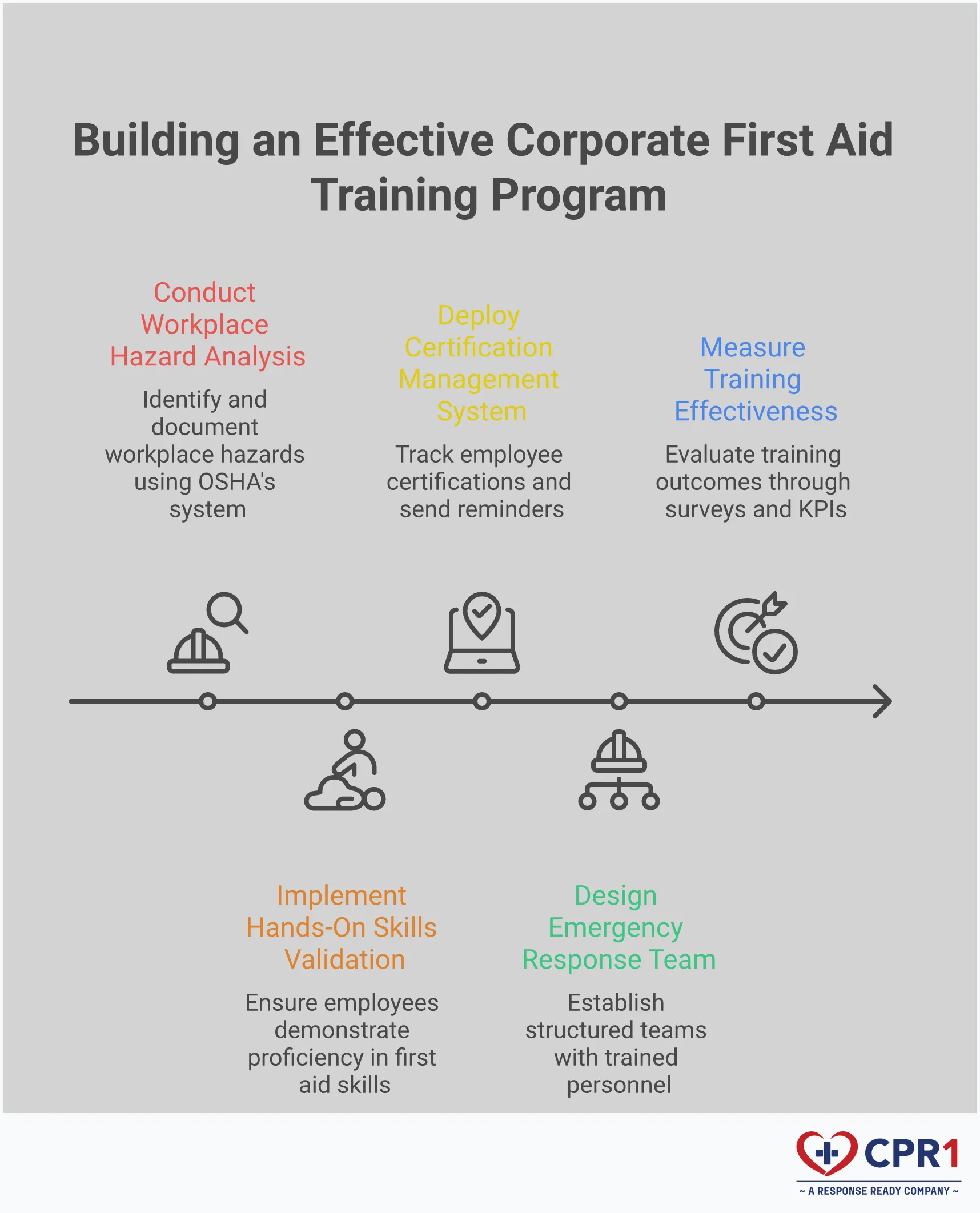
Getting your team certified is a fantastic and necessary first step, but it’s important to know that it’s just one piece of the puzzle. True workplace safety and full OSHA compliance go beyond a single training day. It’s about creating a complete safety ecosystem where your team is not only trained but also consistently prepared and properly equipped. This means having a system in place that includes readily available first aid supplies tailored to your workplace and a clear plan for how to handle medical emergencies. It’s a continuous cycle of preparedness, not a one-time event.
A key part of this system is ensuring your training meets specific standards. While online courses offer flexibility, they don’t satisfy the full requirement on their own. To be fully OSHA-compliant, training must include a practical, in-person component where employees can practice skills like applying pressure to a wound or performing CPR on a manikin. This hands-on practice is critical for building the muscle memory that takes over in a real crisis. When you’re choosing a training partner, make sure they provide this essential, hands-on validation to ensure your program is both effective and compliant.
Keeping Skills Sharp: OSHA’s Retesting Guidelines
First aid and CPR skills are perishable. If you don’t use them, you can lose the confidence and precision needed to act effectively. OSHA understands this, which is why they emphasize ongoing practice. According to their guidelines, CPR training should include hands-on practice, and it’s recommended that employees get retested on their basic adult CPR skills every year. This regular reinforcement ensures that when an emergency happens, your team can respond correctly without hesitation. It’s about keeping life-saving skills fresh and ready.
Staying on top of renewals is a critical part of maintaining your safety program. Most First Aid and CPR certifications are valid for two years, but skills practice should happen more frequently. A great training partner will help you manage this cycle by tracking expiration dates and sending automated reminders when it’s time for your team to recertify. This support takes the administrative burden off your shoulders and makes it easy to keep your entire team’s credentials up to date, ensuring you’re always prepared and compliant.
Employer Responsibilities for First Aid Supplies
Your team’s training is only as good as the tools they have available. OSHA requires employers to provide first aid supplies that are adequate for their specific workplace. This means you need more than just a generic kit; you need supplies tailored to the potential hazards your employees face. A construction site will need different items than a restaurant or a corporate office. Assessing your environment and stocking your kits accordingly is a fundamental employer responsibility that ensures your trained responders can do their job effectively.
Providing the supplies is just the beginning. You also need to keep them in good condition and fully stocked. This involves assigning someone to regularly inspect your first aid kits, check for expired products, and replace any used items. A well-maintained kit is a sign of a strong safety culture. At CPR1.com, we can help you build a complete safety solution that includes not only training but also access to the right first aid kits and AEDs, ensuring your workplace is truly response-ready from every angle.
How to Know if Your First Aid Training Is Working
You’ve invested time and resources into training your team, but how do you know it actually worked? Measuring the impact of your first aid program is about more than just checking a compliance box. It’s about confirming that your team is truly prepared to act when it matters most and that your investment in their safety has paid off. A successful program creates a culture of preparedness, where employees not only have the skills but also the confidence to use them. When people feel their employer genuinely cares about their well-being, it strengthens morale and reduces workplace anxiety.
The best way to evaluate your program is to look at a mix of concrete data and human factors. You need to know who is certified and when they need a refresher, but you also need to understand if your team feels ready to handle an emergency. Think of it as a two-part equation: skills plus confidence equals readiness. By tracking both skill retention and compliance, you can get a complete picture of your workplace’s preparedness. This helps you identify any gaps in your training and make sure your program continues to meet your team’s specific needs. A strong workplace safety program is an ongoing commitment, not a one-time event, and regular evaluation is key to its long-term success.
How to Measure Employee Confidence and Skills
A certificate on the wall doesn’t always translate to confidence on the floor. The true test of training is whether an employee feels capable of stepping up in a crisis. You can measure this by running mock emergency drills and observing how your team responds. Pay attention to their incident response time and how smoothly they perform the skills they learned. This isn’t about putting people on the spot; it’s about building muscle memory and identifying where a little more practice could help.
After the training, gather direct feedback through simple surveys. Ask questions like, “On a scale of 1 to 10, how confident do you feel performing first aid?” This gives you a clear benchmark to track over time and helps you understand the real-world impact of your training.
How to Easily Track Certifications and Compliance
Managing certifications is a fundamental part of any workplace safety program. You need a reliable system to track who has been trained, what certifications they hold, and when they are due for renewal. This ensures you remain compliant with OSHA requirements and that your team’s skills stay fresh. For many businesses, using a dedicated management tool simplifies this process, automating reminders and keeping all your records in one place.
Beyond just tracking dates, use this data to analyze your program’s effectiveness. Are certain departments consistently falling behind on renewals? Are there common questions that come up during recertification? This information helps you fine-tune your approach and demonstrates a clear commitment to your team’s well-being, which is the foundation of a safe workplace.
Related Articles
- OSHA Approved First Aid Training: A Simple Guide
- First Aid Management 101: The Ultimate Guide
- 8 Tips for Medical Emergency Drills for the Workplace
Frequently Asked Questions
What does it mean for first aid training to be OSHA-compliant? For training to meet OSHA standards, it must include a hands-on skills component. This means your employees need to physically practice tasks like performing chest compressions on a manikin or applying a pressure dressing. While online courses are great for learning the theory, they can’t replace the muscle memory and confidence that comes from in-person practice with a qualified instructor.
How can we schedule training for a team with staggered shifts or remote workers? This is a common challenge, and a blended learning format is often the perfect solution. With this model, your team members can complete the instructional part of the course online at their own pace. Afterward, you only need to bring everyone together for a single, shorter session to practice their skills in person. This gives you the flexibility of online learning without sacrificing essential hands-on practice.
Why is an instructor’s real-world experience so important? An instructor with a background as a paramedic, firefighter, or nurse brings the training to life in a way a textbook never could. They share practical insights from actual emergencies, answer tough questions with confidence, and create realistic scenarios that prepare your team for the stress of a real event. This experience helps the lessons stick and builds your team’s confidence to act decisively when it counts.
Is group training just about getting a discount? While the cost savings are a significant benefit, the true value of group training is building a cohesive response team. When your employees learn and practice these skills together, they develop a shared understanding of how to work as a unit during an emergency. This shared experience strengthens communication and ensures a more effective response, which is invaluable.
Our team is certified, so we’re done, right? Think of certification as the starting point, not the finish line. First aid skills can fade over time, and certifications have expiration dates for a reason. A truly effective safety program involves ongoing support, including managing renewal dates and offering refresher opportunities. This continuous approach ensures your team remains confident and prepared to act long after the initial training session is over.


