




Feeling your heart pound after a workout can be unsettling, especially when it feels like fluttering, racing, skipped beats, or an irregular rhythm. In many cases, heart palpitations after exercise come from normal recovery, dehydration, stimulants, stress, poor sleep, or intense exertion. The key is knowing what is expected after exercise and which symptoms should prompt medical care.
Quick answer: Heart palpitations after exercise are often caused by adrenaline, dehydration, caffeine or stimulants, stress, poor sleep, or intense exertion. They are not always dangerous, but you should seek medical help right away if palpitations happen with chest pain, fainting, severe shortness of breath, severe dizziness, or a known heart condition.
Emergency preparedness note from CPR1: CPR1 provides nationwide CPR and AED certification and First Aid training, with instructors who bring real-world EMS, fire, and healthcare experience. This article is for general education only and is not medical advice. For personal symptoms, diagnosis, or treatment, contact a licensed medical professional or call emergency services if symptoms are severe.
Quick Answer: Are Heart Palpitations After Exercise Normal?
Sometimes, yes. During exercise, your heart rate rises to send oxygen-rich blood to working muscles. After you stop, adrenaline can remain elevated while your heart rate gradually slows. That recovery window can make your heartbeat feel stronger than usual, especially after hard intervals, heat, dehydration, caffeine, energy drinks, or poor sleep.
Palpitations deserve more attention when they feel irregular, are new for you, keep returning, last longer than expected, or appear with symptoms such as chest pain, fainting, severe shortness of breath, or severe dizziness. If symptoms feel severe or unusual, stop exercising and seek medical care.
Normal Heart Pounding vs. Heart Palpitations
What exercise-related palpitations can feel like
A normal post-workout heartbeat usually feels fast but steady, then gradually slows during rest and cool-down. Heart palpitations can feel more noticeable or unusual, such as fluttering, pounding, skipped beats, flip-flops in the chest, or an irregular rhythm. People may notice these sensations in the chest, throat, neck, or head.
Why adrenaline can keep your heart pounding after a workout
Exercise activates your body’s fight-or-flight response. Adrenaline and other stress hormones help your heart beat faster and stronger during activity. After intense exercise, those signals do not switch off instantly, so your heartbeat may stay noticeable for a short time while your body cools down, rehydrates, and returns to baseline.
| Often normal after exercise | Medical red flags |
|---|---|
| Heart rate gradually slowing during cool-down | Chest pain or chest pressure |
| Pounding after intense effort, heat, or dehydration | Fainting or near-fainting |
| Brief fluttering that resolves with rest and hydration | Severe shortness of breath |
| Symptoms after caffeine, energy drinks, or poor sleep | Severe dizziness, confusion, or weakness |
| Occasional palpitations with no other symptoms | Palpitations that are frequent, worsening, prolonged, or tied to known heart disease |
If symptoms feel severe or unusual, stop exercising and seek medical care. This article is informational and should not be used to diagnose or treat a medical condition.
Common Causes of Heart Palpitations After Exercise
Dehydration, heat, and electrolyte changes
Sweating, hot weather, and long workouts can reduce fluid and electrolyte levels. When you are dehydrated or overheated, your heart may work harder to circulate blood, which can contribute to pounding or fluttering sensations after exercise. Cooling down, drinking fluids, and replacing electrolytes after heavy sweating may help mild symptoms.
Caffeine, stimulants, medications, and supplements
Caffeine, energy drinks, nicotine, pre-workout supplements, decongestants, asthma inhalers, thyroid medication, and some other medications can make the heart feel faster or more forceful. If you notice palpitations after workouts, review recent caffeine, supplement, and medication use with a healthcare professional before making changes to prescribed treatment.
Stress, anxiety, poor sleep, and overtraining
Stress and anxiety can heighten awareness of your heartbeat. Poor sleep and inadequate recovery can also make palpitations more likely, especially when workouts are intense or rest periods are short. If symptoms cluster around stressful weeks, heavy training blocks, or sleep loss, your body may be signaling that it needs more recovery.
Underlying medical conditions and arrhythmias
Some palpitations are related to anemia, thyroid problems, low blood sugar, pregnancy or hormone shifts, high blood pressure, structural heart disease, or arrhythmias such as atrial fibrillation or atrial flutter. Because exercise-related symptoms can overlap, persistent, worsening, or concerning palpitations should be evaluated by a medical professional.
When to Worry: Red Flags After Exercise
Get medical help right away if palpitations after exercise happen with any warning signs. Red flags include:
- Chest pain, chest pressure, or pain spreading to the arm, jaw, back, or neck.
- Fainting, near-fainting, or severe dizziness.
- Severe shortness of breath that does not fit the workout intensity.
- A very fast, irregular, or pounding heartbeat that does not settle with rest.
- Palpitations with known heart disease, prior heart attack, arrhythmia, or a family history of sudden cardiac death.
- Symptoms that are new, frequent, worsening, or lasting minutes to hours.
Get urgent help for chest pain, fainting, severe shortness of breath, or severe dizziness
Do not try to “push through” severe symptoms. Stop exercising, sit or lie down safely, and seek urgent medical help. If symptoms may be life-threatening, call emergency services. Bystanders trained in CPR training classes and how to use an AED can make a critical difference during sudden cardiac arrest.
Talk to a doctor if palpitations are frequent, worsening, or linked to heart disease history
If palpitations are not an emergency but keep happening, write down when they occur, what you were doing, your caffeine or supplement use, sleep, hydration, and any symptoms. This log can help your clinician decide whether testing such as an ECG, blood work, or heart rhythm monitor is appropriate.
If you are unsure whether symptoms point to a broader emergency, review common signs of cardiac arrest and seek professional medical advice for personal symptoms.
Get certified in CPR

Adult & Pediatric First Aid/CPR/AED — Blended Learning
Self-paced Red Cross course you complete online, then meet for a quick in-person skills check. Earns a 2-year certification.

CPR, AED & First Aid Certification
Instructor-led training where your team practices the exact response steps in this article on real manikins and AED trainers.
What to Do If Your Heart Pounds After a Workout
- Stop or slow down and begin an easy cool-down.
- Rest in a safe position and focus on steady breathing.
- Drink water, especially if you exercised in heat or sweated heavily.
- Avoid more caffeine, nicotine, or stimulants until symptoms are understood.
- Record the timing, duration, triggers, heart rate if available, and any other symptoms.
- Seek medical care if symptoms are severe, unusual, recurring, prolonged, or connected to heart disease history.
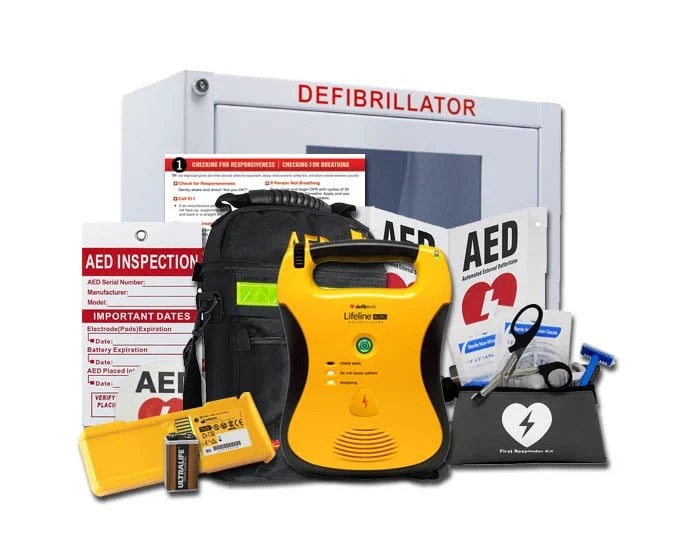
RECOMMENDED FOR FACILITIES
Defibtech Lifeline AED Package
A ready-to-deploy AED bundle for gyms, offices, and community spaces — includes the device, pads, battery, wall cabinet and signage.
How Doctors May Evaluate Palpitations
A healthcare professional may ask about your symptoms, exercise routine, medical history, family history, medications, caffeine or supplement use, and hydration. Depending on your situation, they may recommend an electrocardiogram, wearable heart monitor, blood tests, thyroid testing, an exercise stress test, or imaging. Evaluation is especially important if palpitations are frequent, worsening, or paired with red-flag symptoms.
Exercise Safety and Emergency Preparedness
For many people, exercise remains an important part of heart health. If you have a known arrhythmia, heart disease history, or recurring symptoms, ask a medical professional what activities and intensity levels are safe for you.
If you manage a workplace, school, gym, or community space, CPR and AED readiness can help bystanders respond faster during a cardiac emergency. CPR1 offers nationwide CPR & AED training and emergency preparedness resources for organizations and individuals.

Not sure which AED or training fits your facility?
A CPR1 product expert walks you through it — no obligation.
Talk to a CPR/AED Expert →FAQs About Heart Palpitations After Exercise
Why do I have heart palpitations after exercise?
Heart palpitations after exercise can happen when adrenaline remains elevated, your body is recovering from intense effort, or you are dehydrated, overheated, low on sleep, stressed, or using caffeine, energy drinks, certain medications, or supplements. They can also be related to arrhythmias or other medical conditions, so persistent or concerning symptoms should be discussed with a doctor.
Should I stop exercising if I have palpitations?
Stop exercising and rest if your heartbeat feels irregular, unusually fast, or uncomfortable. Seek urgent medical help if palpitations occur with chest pain, fainting, severe shortness of breath, severe dizziness, or weakness. If palpitations are mild but recurring, ask a medical professional whether your workout plan is safe.
When should you worry about heart palpitations after exercise?
Worry about palpitations after exercise when they are new, frequent, worsening, prolonged, or paired with chest pain, fainting, severe shortness of breath, severe dizziness, or a known history of heart disease. Those symptoms should be evaluated by a medical professional, and severe symptoms may require emergency care.
Can dehydration cause heart palpitations after a workout?
Yes. Dehydration, heat, and electrolyte changes can make your heart work harder after a workout and may contribute to a pounding or fluttering sensation. Hydrating, cooling down, and avoiding excessive stimulants can help, but symptoms that are severe, persistent, or unusual should be checked by a doctor.
Are palpitations hours after exercise normal?
Palpitations hours after exercise can occur during recovery, especially after intense activity, dehydration, caffeine, poor sleep, or stress. They should not be ignored if they last a long time, happen repeatedly, feel irregular, or come with chest pain, fainting, severe shortness of breath, or severe dizziness.
Key Takeaways
- Heart palpitations after exercise are often related to adrenaline, dehydration, stimulants, stress, poor sleep, or intense exertion.
- Get medical help right away for palpitations with chest pain, fainting, severe shortness of breath, severe dizziness, or known heart disease.
- Track recurring symptoms and talk with a medical professional if palpitations are frequent, worsening, prolonged, or unusual for you.
- CPR and AED readiness helps workplaces, schools, gyms, and communities respond faster if a cardiac emergency occurs.
Related Articles
Ready to Learn CPR and Save Lives?
Get certified in CPR, First Aid, and AED use with our accredited courses. Online and in-person options available for individuals, families, and businesses.
Browse CPR Training Courses →


