Think getting an AED for free is impossible unless you’re a big-name non-profit? That’s a common myth, and it stops so many deserving groups from even trying. The truth is, knowing how to get a free AED is all about strategy, not luck. Dozens of grant programs exist to help organizations just like yours. Many are designed specifically to provide a free AED for non profits, community centers, and small businesses. This guide will show you exactly where to look, how to create a standout application, and what to do if your first attempt doesn’t work out.
Key Takeaways
- Explore multiple funding avenues: Don’t limit your search to a single grant. Increase your chances of success by simultaneously pursuing non-profit programs, local business sponsorships, and community fundraisers.
- Justify your need with a clear narrative: A successful application tells a compelling story. Explain who the AED will protect and support your request with specific data to show grantors the real-world impact of their investment.
- An AED requires a long-term readiness plan: Getting the device is just the beginning. A successful program includes hands-on team training, a clear emergency response plan, and consistent maintenance to ensure your AED is always ready to use.
What is an AED? (And Why Every Second Counts)
An Automated External Defibrillator (AED) is a portable, life-saving device designed to help someone experiencing sudden cardiac arrest (SCA). Unlike a heart attack, which is a plumbing problem in the heart, SCA is an electrical problem. The heart’s electrical activity becomes chaotic, and it can no longer pump blood effectively. During SCA, every second is critical. An AED can analyze the heart’s rhythm and, if necessary, deliver an electrical shock to help it re-establish a normal rhythm.
These devices are designed for anyone to use, even without formal training. Clear, calm voice prompts walk you through every step, from applying the pads to performing CPR. Having an AED nearby can be the difference between life and death, turning a bystander into a first responder.
How Does an AED Actually Work?
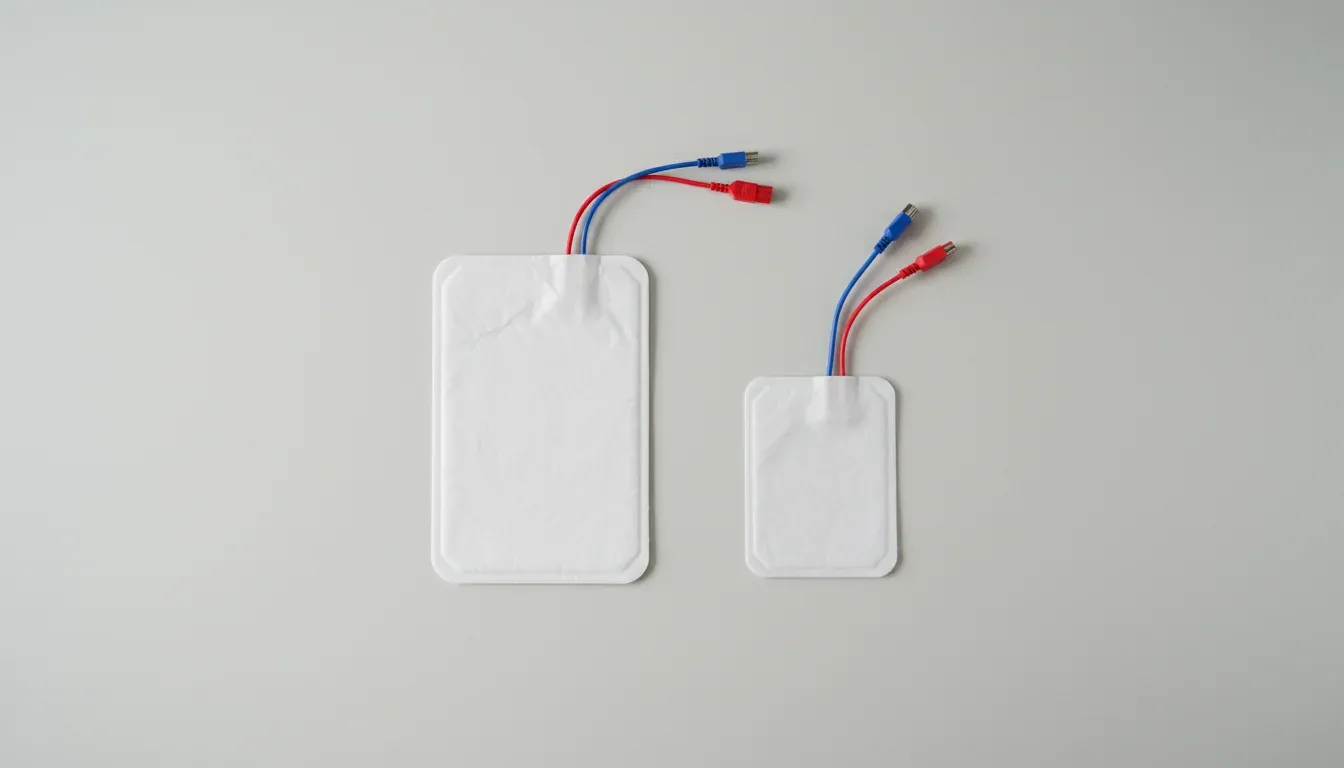
When you open an AED, it immediately starts giving you simple instructions. You’ll place two sticky pads with sensors on the person’s chest, as shown in diagrams on the pads themselves. Once the pads are in place, the machine automatically analyzes the person’s heart rhythm. It’s programmed to detect ventricular fibrillation, the specific chaotic rhythm that causes most sudden cardiac arrests. If the AED determines a shock is needed, it will tell you to stand clear and press a button to deliver it. The process is straightforward and built to be nearly foolproof. While these devices are incredibly important for saving lives, their cost can sometimes be a hurdle for organizations, which is why grants and funding programs are so valuable. You can explore different AED devices to see how user-friendly modern models have become.
The Life-Saving Impact of an AED
When a person has a sudden cardiac arrest, their chance of survival decreases by about 10% for every minute that passes without defibrillation. Immediate CPR can help, but an AED is the only thing that can restart a heart in ventricular fibrillation. The presence of an AED and a bystander ready to use it can dramatically change the outcome. Studies show just how crucial these devices are. One analysis found that the use of an AED by the public was associated with a significantly greater likelihood of survival from an out-of-hospital cardiac arrest. When someone steps in to use an AED before emergency medical services arrive, they are giving that person their best possible chance to go home to their family.
Understanding Sudden Cardiac Arrest Statistics
The numbers surrounding sudden cardiac arrest are sobering. According to the Sudden Cardiac Arrest Foundation, more than 356,000 out-of-hospital cardiac arrests occur annually in the United States, and nearly 90% of them are fatal. The most critical factor is time. For every minute that passes without defibrillation, a person’s chance of survival drops by about 10%. When you consider that average EMS response times can be eight minutes or more, the math becomes stark. This isn’t just a risk for the elderly or unwell; SCA can happen to anyone, at any age, at any time. Having an AED accessible in your facility closes that critical time gap, giving someone the best possible odds before professional help arrives.
How Bystander Action Improves Survival Rates
While the statistics are daunting, they also highlight an incredible opportunity for everyday people to make a life-saving difference. Immediate CPR is vital for keeping oxygenated blood flowing to the brain, but it can’t restart a heart stuck in a chaotic rhythm. Only an AED can do that. When a bystander steps in to apply an AED, they can more than double a person’s chance of survival. These devices are designed for action, not hesitation. You don’t need a medical degree to use one; you just need the willingness to help. Combining an AED with confidence-building, hands-on training prepares your team to act decisively, turning what could be a tragedy into a story of survival.
Busting Common AED Myths
Many people hesitate to use an AED because they’re afraid of doing something wrong or hurting the person. Let’s clear up a few common myths. The biggest one is that you could accidentally shock someone who doesn’t need it. The truth is, AEDs are designed to be safe and will only advise a shock if they detect a life-threatening heart rhythm. The machine makes the decision, not you. Another misconception is that AEDs are complicated. In reality, they are built for stressful situations and provide clear, step-by-step audio instructions. You don’t need to be a medical professional to use one. While formal CPR and AED training is always a great idea to build confidence, the device itself is designed to guide a complete novice through the entire process safely and effectively.
Could Your Organization Get a Free AED?
An Automated External Defibrillator (AED) is a critical piece of safety equipment, but the cost can be a hurdle for many organizations. The good news is you don’t always have to foot the bill yourself. Many groups successfully get a free AED by applying for grants, seeking donations, or launching community fundraisers.
The key is knowing where to look and how to prepare. Before you start your search, it’s important to determine if your organization is a good candidate for these programs. Let’s walk through the first few steps to figure that out.
First Step: Check Your Eligibility
First things first: you need to understand who these programs are for. Most free AED programs are designed to place life-saving devices in public spaces where they can have the greatest impact, especially within organizations that may not have the budget for one. If you run a community center, a local sports league, or a non-profit, you’re likely the exact type of candidate they want to support. The most common way to get help funding an AED is through grants offered by foundations, corporations, or even government initiatives. These programs exist because they know that placing more AEDs in the community saves lives.
Commonly Eligible Organizations
Grant programs want to place AEDs where they can save the most lives, which means they often prioritize public spaces and community-focused organizations. You’ll find that a wide range of groups are frequently eligible for funding. This includes non-profits, churches, and community centers that serve a large number of people. Schools, universities, and youth sports leagues are also prime candidates, as they have a clear responsibility to protect students and athletes. Many programs also support healthcare facilities like nursing homes, assisted living centers, and dental offices. Even for-profit businesses, government agencies, and first responder departments can often qualify for assistance, especially if they can demonstrate a significant public benefit. The common thread is a commitment to public access and a clear need for the device.
Understanding Program Exclusions
While eligibility is broad, it’s just as important to know who might not qualify. Every grant has its own specific rules, so always read the fine print. Generally, these programs are not intended for individuals seeking an AED for private home use. Some grants may also exclude organizations that are expected to have their own budgets for medical equipment, such as hospitals or certain private medical practices. It’s worth noting that guidelines can vary—while one program might fund a police department, another may not. Another common exclusion is for mobile use; most grantors require the AED to be installed in a single, accessible location rather than carried in a vehicle. If you find your organization doesn’t fit the typical criteria, don’t be discouraged. Other options, like community fundraising or affordable AED rental programs, can still help you become response-ready.
Does Your Non-Profit Qualify for a Free AED?
While every program has its own set of rules, most AED grant programs tend to prioritize certain types of organizations. You’ll have the best chance of qualifying if you fall into one of these categories:
- Non-profit organizations with 501(c)(3) tax-exempt status.
- Public or private schools and school districts.
- Government agencies, such as police departments, fire stations, and public health services.
- Community and faith-based organizations that serve a large number of people.
If your organization fits one of these descriptions, you’re in a great position to start searching for grants. Private, for-profit businesses typically have a harder time qualifying for free programs, but other funding options may still be available.
Get Your Documents Ready
Once you’ve identified a potential grant, it’s time to prepare your application. Grantors receive tons of requests, so a well-prepared, compelling application will make you stand out. Don’t wait until the last minute to get your information together. Start by gathering key documents like your organization’s mission statement, proof of your non-profit status (like your 501(c)(3) determination letter), and any data that shows your impact on the community. You’ll want to write a clear, concise summary of why you need an AED and how it will help you better serve the public. The more organized you are, the smoother the application process will be.
Where to Find Free AED Programs and Grants
Securing an AED for your organization doesn’t always have to come out of your budget. Several programs and grants are designed to place these life-saving devices where they’re needed most. The key is knowing where to look and how to position your organization as the perfect candidate. Funding sources range from large government programs to local business sponsorships, each with its own application process and requirements.
Think of this as a matchmaking process. You need to find the funder whose mission aligns with yours. A school, for example, might find success with a grant focused on youth safety, while a community center could partner with a local hospital’s outreach program. Getting organized and doing a bit of research upfront will make your search much more effective. It helps you tailor your application and story to what the funder cares about, which greatly increases your chances of success. Before you start writing applications, take some time to clearly define your need and the community you serve. This will be the foundation of your request, no matter where you send it. Below are the three main avenues to explore for AED funding.
How to Find Government AED Grants
While grants specifically for AEDs can be a bit of a treasure hunt, they are out there. Federal, state, and local governments occasionally offer funding for emergency preparedness and public health initiatives, which can include purchasing defibrillators. The best approach is to regularly check official databases. A great place to start is the federal government’s central resource, which lists thousands of opportunities. You can search for grants using keywords like “AED,” “emergency medical equipment,” or “public safety.” Be prepared to be persistent, as these opportunities can be competitive and may change from year to year.
Discovering Non-Profit AED Programs
Many non-profit organizations are dedicated to preventing sudden cardiac arrest and are a fantastic resource for securing a free or subsidized AED. These groups often have a streamlined application process but typically require you to meet specific criteria. For example, the Hopey’s Heart Foundation provides AEDs to non-profit organizations with a 501(c)(3) tax-exempt status. Do some research to find foundations that focus on your type of organization—whether it’s a school, sports league, or community group—to find the best fit.
National Foundations Offering AEDs
Beyond government programs, a number of national foundations are dedicated to placing AEDs in communities. These non-profits are often started by families who have been personally affected by sudden cardiac arrest, and their mission is to prevent others from experiencing a similar tragedy. Because they are so mission-focused, their applications often look for a very specific type of candidate. For example, some foundations prioritize schools and youth sports leagues, while others focus on equipping first responders or public spaces. A great example is the Hopey’s Heart Foundation, which provides AEDs to non-profit organizations that serve the public. The key is to find a foundation whose goals align with yours. A little research will help you find a foundation that is passionate about supporting the exact type of community you serve.
Asking Local Civic Groups for Support
Don’t underestimate the power of your local community. Often, the most direct path to funding is right in your own backyard. Civic groups like the Rotary Club, Lions Clubs, or local VFW posts are always looking for meaningful projects that have a direct impact on community well-being. Start by making a list of these organizations and identifying the right person to contact. Prepare a short, compelling pitch that explains who you are, why you need an AED, and how it will make your shared community safer. You can also approach local businesses, especially banks and credit unions, as many have budgets set aside for community support. Framing your request as a partnership in public safety can be very effective and may even lead to a long-term relationship.
Finding Corporate & Healthcare Sponsors
Don’t underestimate the power of your local community. Many large corporations and healthcare systems set aside funds for Corporate Social Responsibility (CSR) initiatives aimed at improving community health and safety. Think about the businesses in your area—banks, hospitals, or even large retail stores—and reach out to their community relations department. Frame your request as a partnership that offers them a tangible way to protect local families. A well-crafted sponsorship proposal can show them exactly how their contribution will save lives.
Get certified in CPR
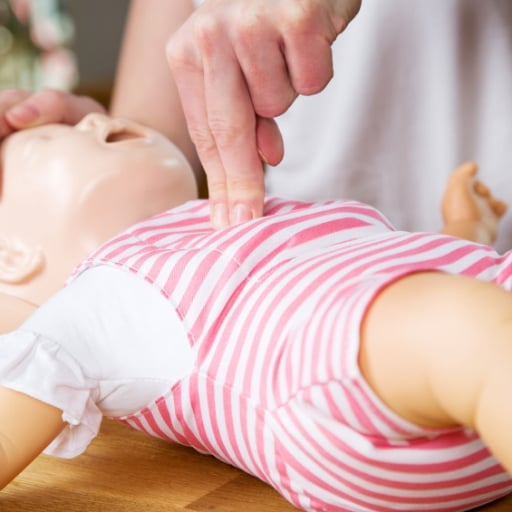
Adult & Pediatric First Aid/CPR/AED — Blended Learning
Self-paced Red Cross course you complete online, then meet for a quick in-person skills check. Earns a 2-year certification.
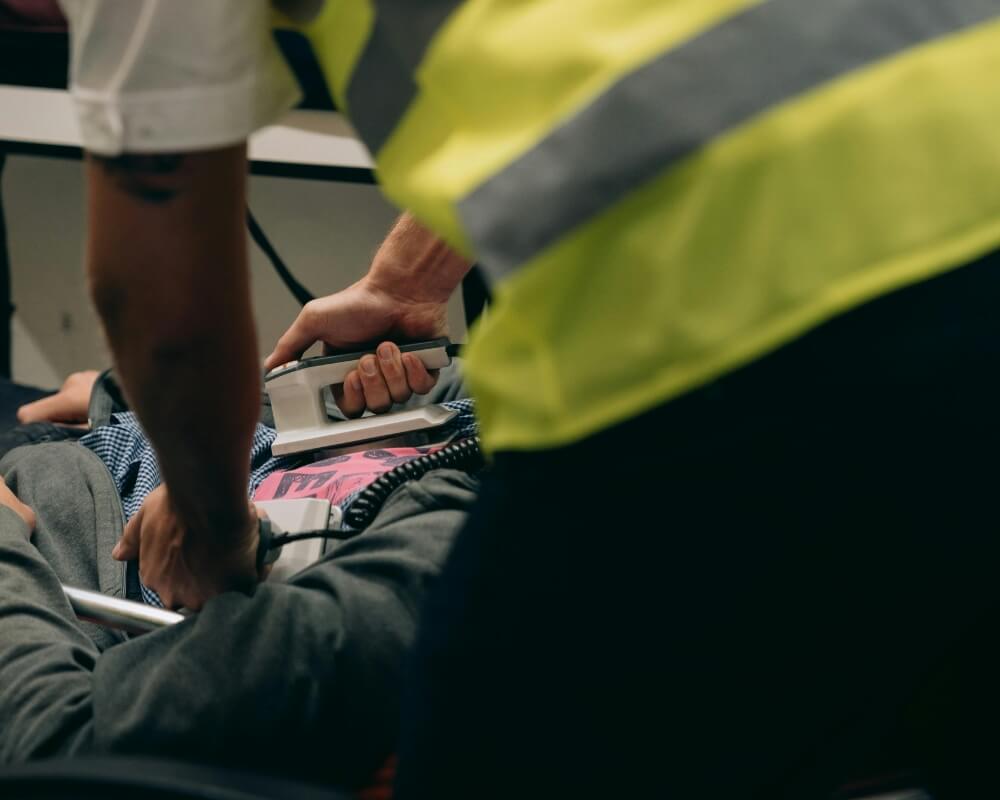
CPR, AED & First Aid Certification
Instructor-led training where your team practices the exact response steps in this article on real manikins and AED trainers.
Write a Grant Application That Gets Noticed
Grant committees read hundreds of applications, so yours needs to do more than just check the boxes. A successful application tells a persuasive story about why your community needs this life-saving device. It’s your chance to connect with reviewers and show them the real-world impact their funding can have. Think of it less as paperwork and more as a powerful pitch for the safety of your people. By focusing on a few key areas, you can create an application that stands out and gets the attention it deserves.
How to Tell Your Community’s Story
Your grant application is a story—the story of your community and why an AED is a critical next chapter. Start by painting a picture of who you serve. Are you a school filled with active students, a community center for seniors, or a busy office? A well-written application clearly shows how your organization benefits the community and how an AED will amplify that positive impact. Instead of just stating facts, use storytelling to help the committee visualize the people who will be protected. This creates an emotional connection and makes your request much more memorable.
Demonstrate Your Need with Data
While a good story is important, it needs to be supported by solid data. Grant providers want to see that you’ve done your homework. Explain what your organization does and quantify its impact with numbers whenever you can. How many people walk through your doors each day? What is the demographic of your visitors? Clearly state how the funding will be used and the exact amount you need. A detailed budget shows you’re prepared to manage the program responsibly. Remember to account for the device, a wall cabinet, and the necessary CPR and AED certification for your team.
The Right Way to Follow Up
Submitting your application is a huge step, but your work isn’t quite done. A “no” or a delayed response isn’t always the end of the road. Many grant programs will keep your application on file for future review cycles; some will even look at an application for up to three more review periods before you need to reapply. After you submit, consider sending a brief, polite email thanking the committee for their time. If your application isn’t approved, don’t be afraid to ask for feedback. It can provide valuable insight for strengthening your next attempt. Persistence demonstrates your commitment to safety.
Pay Attention to Application Timelines and Deadlines
Grant programs operate on strict schedules, and paying close attention to their timelines is a non-negotiable part of the process. Missing a deadline can mean waiting months—or even a full year—for the next opportunity. For example, some organizations, like the Hopey’s Heart Foundation, review applications quarterly. If your request isn’t selected in one round, it may be considered for the next few, which shows why persistence is so important. Other programs might have a longer application window, but they often release funding in rounds. The British Heart Foundation, for instance, offers defibrillator funding with a multi-year timeline, but the number of devices available in each round is limited. Getting your application in early and staying aware of these cycles gives you a significant advantage.
You Got the Grant—Now What?
Congratulations! All your hard work paid off, and your organization has been awarded an AED. This is a huge step toward making your community safer. But getting the device is just the beginning. Now it’s time to build a successful program around it to ensure you’re truly ready to respond in an emergency. A life-saving device is only as effective as the people and plans supporting it.
Putting an AED on the wall without a strategy is like buying a fire extinguisher without knowing how to pull the pin. To be truly effective, you need to think about training, maintenance, and compliance from day one. Creating a solid plan now ensures your device stays ready for action and your team has the confidence to use it when seconds count. Let’s walk through the essential next steps to turn your new AED into the heart of a strong emergency response program.
Know What Your Grant Package Includes
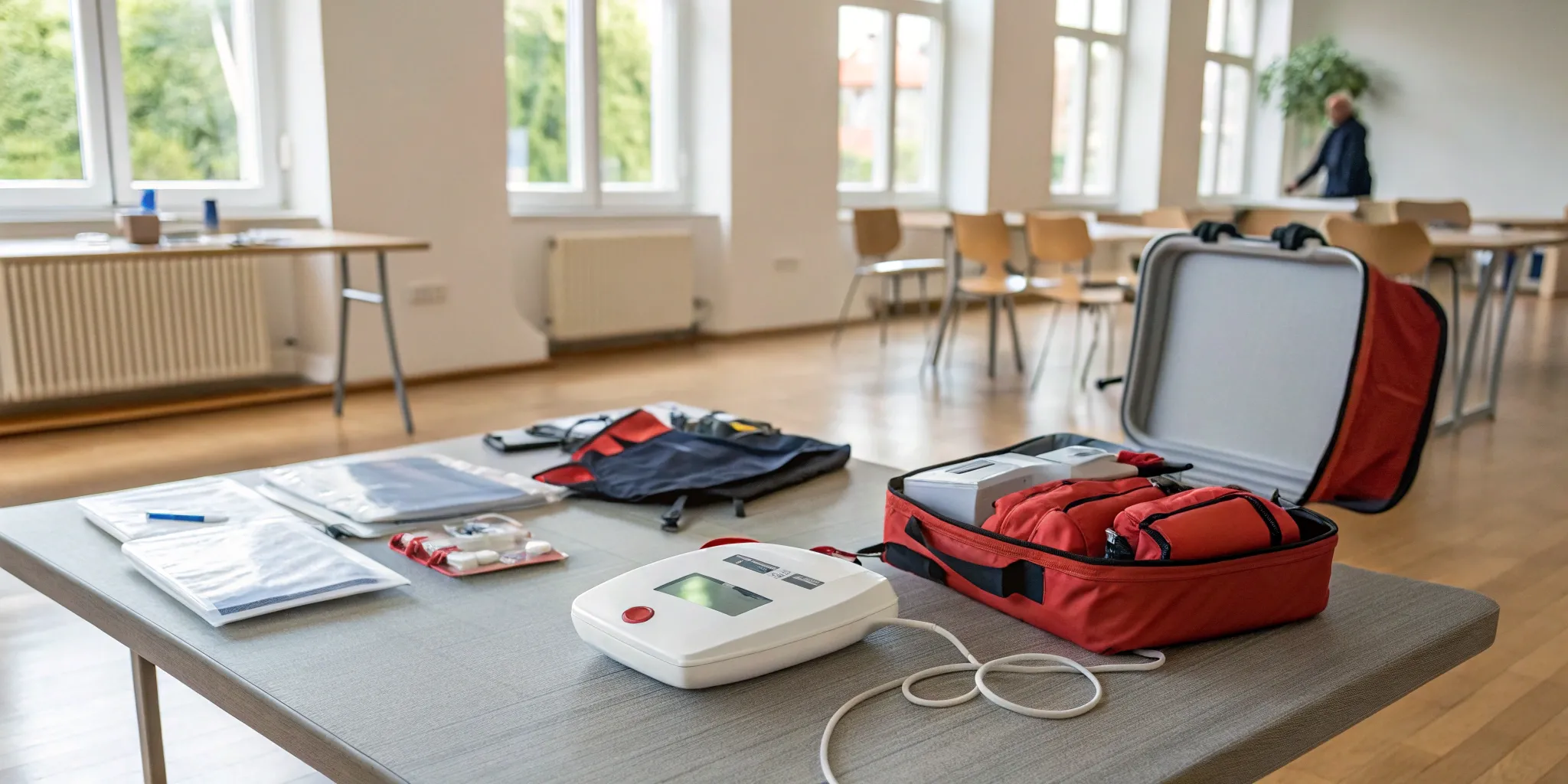
When the award notification arrives, take a moment to read it carefully. A grant package often includes more than just the AED itself. Many programs provide a complete starter kit with the defibrillator, a set of adult electrode pads, batteries, and a wall-mounted cabinet to ensure the device is visible and accessible. Some may even include materials to help you get started with training. Pay close attention to the acceptance deadline. Grant providers usually require you to formally accept the award within a specific timeframe, often just a few business days, so you don’t want to miss that window. While the included materials are a great start, remember that building true readiness requires hands-on practice. This is the perfect time to schedule professional team training to ensure everyone feels confident and prepared to act in an emergency.
Follow Program Rules for Placement and Registration
A free AED comes with a few important responsibilities. Grant providers want to ensure their investment makes the biggest possible impact, so they’ll have specific rules you need to follow. First, think about placement. The device must be located in a central, visible, and unlocked location where anyone can access it 24/7. Next, you’ll likely need to register your AED. Many states require you to register your device with the local emergency medical services so that 911 dispatchers can direct a bystander to it during a cardiac arrest call. This is a critical step for integrating your AED into the community’s emergency response system. Using an AED program management service can simplify this process by tracking your device’s status, sending reminders for pad and battery expirations, and ensuring you remain compliant with all local and state regulations.
Get Your Team Trained and Ready
An AED is designed to be user-friendly, but nothing replaces the confidence that comes from hands-on practice. The best way to empower your team is with professional training that covers both CPR and how to use an AED. These two skills work together to give a person in cardiac arrest the best possible chance of survival. Look for a course that offers practical experience with training devices, as this muscle memory is what kicks in during a real emergency.
Many grant programs even require that you complete certified training. When you schedule onsite group training, an instructor can come to your facility and tailor the session to your specific environment and team. This ensures everyone from front-desk staff to facility managers knows their role in an emergency, creating a coordinated and effective response.
Create Your AED Maintenance Plan
Your AED is a medical device that requires regular attention to stay rescue-ready. It’s not something you can just install and forget. The battery and electrode pads have expiration dates and must be replaced periodically. Most devices also perform regular self-tests, and you’ll need a system to check the device’s status indicator to make sure it passes.
Thinking about these ongoing needs is a critical part of responsible ownership. To make this easier, many organizations use AED program management software. This kind of tool can automatically track expiration dates, send you reminders for monthly checks, and help you log maintenance activities. It takes the guesswork out of compliance and gives you peace of mind that your device will work when you need it most.
What Are the Legal Requirements?
When you accept an AED, your organization becomes responsible for following all relevant laws and regulations, which can vary by state. Most states have Good Samaritan laws that protect rescuers, but these protections often depend on the AED being properly maintained and used according to training standards.
A key part of compliance is having medical oversight. This means a licensed physician oversees your program, typically by writing a prescription for the device and reviewing any event data after it’s used. This oversight ensures your program meets medical and legal standards. Services providing physician oversight can handle these requirements for you, ensuring your program is not only effective but also legally sound.
How to Organize Your Grant Paperwork
From the moment you receive your grant award letter, start a dedicated file for your AED program. This is where you’ll keep your original grant application, any agreements you signed, and documentation for the device itself, like its serial number and purchase records. You should also use this file to log all maintenance checks, battery and pad replacement dates, and your team’s training certificates.
If the AED is ever used, you’ll need to document the event thoroughly. This paperwork is essential for compliance, liability protection, and demonstrating the value of your program to stakeholders. Keeping clear, organized records proves you are a responsible AED owner and can even help you secure additional funding or support for your safety initiatives in the future.

RECOMMENDED AED PACKAGE
ZOLL AED 3 Value Package
A complete, ready-to-use AED package — the ZOLL AED 3 with adult pads, battery, wall cabinet and signage.
Can’t Get a Grant? Try These Funding Ideas
So, the grant didn’t come through. It’s easy to feel discouraged, but don’t let it stop you. The grant application process is incredibly competitive, and a “no” isn’t a reflection of your community’s need. It’s simply an opportunity to get creative and rally support closer to home. Think of it this way: you’re now in the driver’s seat, and you can bring your community together to make this life-saving goal a reality. Many organizations successfully fund their AEDs without a single grant dollar, and honestly, this path can be even more rewarding.
When you fundraise locally, you’re not just buying a piece of equipment; you’re building a network of lifesavers. You’re raising awareness about sudden cardiac arrest and empowering your neighbors, colleagues, and friends to be part of the solution. These grassroots efforts often move faster than traditional grant cycles and create a stronger sense of shared ownership over the community’s safety. Instead of waiting for a committee’s approval, you can start taking action today. The following ideas are proven, practical, and can be adapted to fit any organization, whether you’re a small non-profit, a school, or a local gym. Let’s walk through a few strategies that can help you get your AED funded, installed, and ready to save a life.
Start a Community Fundraiser
Your greatest asset is your community. People want to help, but they often need a clear and simple way to contribute. Organizing a local fundraiser is a fantastic way to bring everyone together for a common cause. Think about what works for your neighborhood or organization. You could host a car wash, a bake sale, a benefit concert with local musicians, or even a community yard sale where all the proceeds go toward the AED.
The key is to make it fun and easy for people to participate. When you share a compelling story about why an AED is so important, you’re not just asking for money—you’re inviting people to become part of a life-saving mission. Community support can be a powerful alternative when grants are hard to find, and these events build connection and awareness along the way.
How to Partner with Local Businesses
Local businesses are often looking for meaningful ways to give back to the community that supports them. Many have budgets set aside for what’s known as Corporate Social Responsibility (CSR), and a health and safety initiative like an AED program is a perfect fit. Start by making a list of businesses in your area—think real estate agencies, banks, grocery stores, gyms, and local restaurants.
Prepare a simple, one-page proposal explaining the need for an AED and the specific location you have in mind. Explain how their contribution will directly protect their customers and employees. In return, you can offer to recognize their sponsorship with a plaque next to the AED cabinet or a public thank you on social media. A thoughtful sponsorship request shows you value their partnership beyond just the financial contribution.
Could a Crowdfunding Campaign Work for You?
If you want to expand your reach beyond a local event, a crowdfunding campaign is an excellent option. Platforms like GoFundMe make it easy to share your story with a wide audience and collect donations online. This approach allows friends, family, and even strangers who care about public safety to contribute from anywhere. A successful campaign hinges on a clear and emotional story. Explain who the AED will protect and why it’s so critical for your organization.
To make your campaign successful, set a realistic funding goal that covers the cost of the AED and any necessary accessories or training. Share the campaign link widely on social media, in email newsletters, and through local online groups. Post regular updates to keep your donors engaged and show them how their contributions are making a difference. Communities are often eager to support a good cause, and crowdfunding gives them a direct way to help.
Explore Training-for-Device Exchange Programs
Another creative route is to look for programs that bundle training and equipment. Some safety training companies offer a free AED if you commit to a certain volume of employee training. It’s a smart partnership: you get a life-saving device without the upfront capital expense, and the training provider secures a long-term relationship. This approach is especially practical for businesses and schools that need to certify a large number of staff members for compliance anyway. When you’re ready to schedule group training, it’s always worth asking if the provider has any device exchange programs or package deals available. This can be a cost-effective way to build a comprehensive safety program from the ground up.
Look into Refurbished or Discounted AEDs
If a brand-new device is out of reach, don’t overlook the market for refurbished AEDs. A recertified device isn’t a risky secondhand gadget; it’s a unit that has been professionally inspected, tested, and restored to meet the manufacturer’s original specifications. Reputable distributors ensure these AEDs come with new batteries and electrode pads, along with a warranty for peace of mind. This can cut the cost significantly while still providing a reliable, life-saving tool. When exploring your options, look for established AED distributors that are transparent about their recertification process. It’s a practical way to make your budget work harder without compromising on safety.
Set Up Your AED Program for Success
Getting an AED is a huge step toward protecting your community, but the device itself is just one piece of the puzzle. A successful program is built on a solid foundation of planning, placement, and practice. When an emergency happens, you want a clear, simple process that anyone can follow. Thinking through the details now ensures your team can act quickly and confidently when it matters most. Let’s walk through how to set up your AED program so it’s ready to save a life from day one.
Where Should You Place Your AED?
Where you place your AED can make all the difference. During a sudden cardiac arrest, every second counts, so your device needs to be visible, accessible, and easy to find. Think about the most high-traffic areas in your building—lobbies, break rooms, gyms, or near elevators are all great spots. The goal is for someone to be able to grab the AED and return to the person in under three minutes. A defibrillator helps restart a person’s heart while you wait for paramedics to arrive, so quick access is key. Make sure it’s not locked in an office or hidden in a closet. Use clear signage to point the way, so even a visitor can locate it in an emergency.
Build Your Emergency Response Plan
A good emergency response plan turns chaos into coordinated action. Your plan should clearly outline who does what during a cardiac emergency. Who calls 911? Who retrieves the AED? Who starts CPR? Assigning roles ahead of time eliminates confusion and saves precious time. Your plan should also cover the logistics of maintaining the device. Remember to factor in the ongoing costs of keeping it running, like replacing expired electrode pads and batteries. Using an AED program management service can help you track maintenance schedules, ensure compliance, and get physician oversight, making sure your device is always ready to go.
Train Your Team to Act with Confidence
While modern AEDs are designed to be user-friendly, nothing replaces the confidence that comes from hands-on training. Training empowers your team to act without hesitation because they’ll know exactly what to do. Using an AED quickly can help restore the heart’s normal rhythm before professional help arrives. Many people worry they might hurt someone, but CPR and AED courses teach you that AEDs are safe and effective and will not deliver a shock unless it’s needed. When your team feels prepared, they’re more likely to step in and become the critical first link in the chain of survival.
Not sure which AED or training fits your needs?
A CPR1 product expert walks you through it — no obligation.
Talk to a CPR/AED Expert →Get Your Community on Board
Placing an AED is a huge step, but its life-saving potential is only fully realized when your entire community is behind it. Building support isn’t just about fundraising; it’s about creating a shared sense of responsibility for everyone’s safety. When people understand why an AED is important and feel connected to the initiative, they’re more likely to get trained, act confidently in an emergency, and help maintain the program for years to come. This collective buy-in is what turns a good idea into a life-saving reality.
Getting your community involved transforms an AED from a piece of equipment in a box into a true community asset. It creates a network of responders ready to step in when seconds count. Think about it: the more people who know where the AED is, how to use it, and feel empowered to act, the greater the chance of a positive outcome during a sudden cardiac arrest. By connecting with local leaders, spreading the word effectively, and partnering with area businesses, you can build a strong foundation of support that ensures your AED program is successful and sustainable. Think of it as building a team of safety champions who are just as invested in the mission as you are.
How to Connect with Local Leaders
Your local leaders can be your greatest allies. People in city government, the fire department, or even on the school board often have a direct line to resources and information you might not find on your own. Start by reaching out to your local government offices or elected officials for guidance. They can help you understand any municipal requirements and may even know of local grants or funding programs dedicated to public health and safety. Don’t hesitate to schedule a brief meeting or attend a town hall to share your goals. These leaders can help champion your cause and open doors you didn’t even know existed.
Announce Your New AED to the Community
People can’t support a cause they don’t know about. The great news is that communities are often willing to help good causes, so your job is to make sure they hear your story. Use every channel available to you. Post about your initiative on local social media groups, hang flyers at the library and community center, and ask to speak for a few minutes at a neighborhood association or PTA meeting. Keep your message simple and powerful, focusing on how an AED can protect friends, family, and neighbors. Building this grassroots awareness is key to gaining momentum for fundraising and recruiting people for CPR and AED training.
Create Lasting Community Safety Partnerships
Look around your community for local businesses that could become partners in safety. Many companies have programs for giving back to the community, often called Corporate Social Responsibility (CSR), and they may be eager to fund health and safety projects like getting an AED. Draft a simple letter explaining your project and the impact it will have. Offer to publicly thank them on social media or in a local newsletter. These relationships can provide more than just initial funding; they can lead to long-term support for things like AED maintenance and future training needs, creating a safer community for everyone.
Related Articles
- What’s the Real Automated External Defibrillator Price?
- AED for Sale: The Ultimate Buyer’s Guide
- Reliable AED Rental Services for Short & Long-Term Needs — CPR1
- What to Know Before Buying a Defibrillator | Complete Guide | CPR1
- AED Archives — CPR1
Frequently Asked Questions
Am I legally protected if I use an AED to help someone? This is a very common and completely valid concern. The great news is that all 50 states have Good Samaritan laws designed to protect bystanders who step in to help during an emergency. These laws generally cover you when you use an AED in good faith. The key is to act as a reasonable person would, which includes using the device as it instructs. Following through with proper maintenance and certified training for your team further strengthens these protections and shows you’re being responsible.
Our grant application was denied. Should we just give up? Definitely not! A denial can feel discouraging, but it’s rarely the end of the road. The grant world is incredibly competitive, so don’t take it personally. First, if possible, politely ask for feedback on your application so you can strengthen it for the next cycle. More importantly, this is a perfect opportunity to rally your own community. Local fundraisers and partnerships with area businesses are often faster and more engaging ways to secure an AED, and they build a powerful sense of shared ownership over everyone’s safety.
What are the ongoing responsibilities after we install an AED? Getting the device is the first step, but responsible ownership is what keeps it ready to save a life. Your main ongoing tasks will be to perform regular maintenance checks to ensure the battery is charged and the electrode pads haven’t expired. You’ll also want to create a simple emergency plan so everyone knows their role, and schedule CPR and AED training to give your team the confidence to act. Think of it less as a list of chores and more as a simple routine that ensures your investment is always ready to work when it matters most.
Do I really need formal training if the AED gives instructions? While it’s true that an AED is designed to walk you through the process, formal training is about building confidence so you can act without hesitation. In a real emergency, stress is high, and having that hands-on practice and muscle memory makes a world of difference. Training also teaches you how to perform high-quality CPR, which is a critical part of giving someone the best chance of survival. The AED and CPR work together as a team, and training prepares you to be an effective leader of that team.
We’re a small business, not a non-profit. What’s the most realistic way for us to get an AED? For-profit businesses often have the most success by looking locally. Instead of focusing on grant programs, which are typically reserved for non-profits, turn to your own network. Consider approaching other businesses in your area to co-sponsor a device that protects your shared customers and community. You can also launch a small fundraising campaign with your staff and patrons. People love to support businesses that invest in their safety, and it can be a fantastic way to build goodwill while achieving a life-saving goal.
Ready to Learn CPR and Save Lives?
Get certified in CPR, First Aid, and AED use with our accredited courses. Online and in-person options available for individuals, families, and businesses.
Browse CPR Training Courses →