



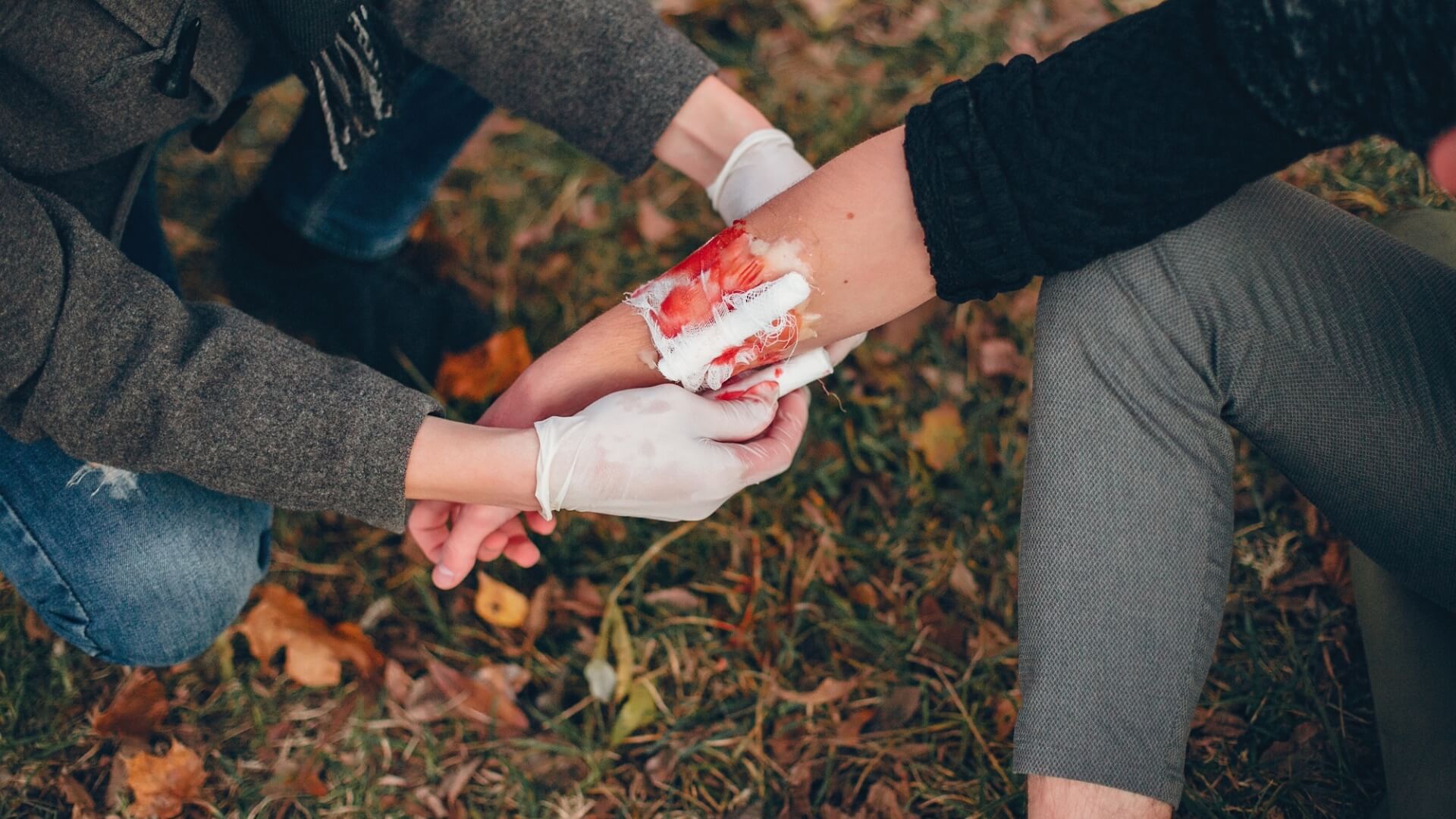
When someone suffers a burn injury, your quick actions are what matter most. The right care depends entirely on the burn’s severity—a deeper burn doesn’t just raise the risk of infection, it can impact the body’s ability to control its temperature. A prompt and correct response can make a huge difference in a victim’s recovery. Knowing the proper techniques for administering first aid and even CPR is crucial. We’ll cover the essential steps you need to know to confidently treat a burn victim and manage the situation effectively.
Why Quick First Aid for Burns Matters
Quick and proper first aid for burns can cut damage and lower the chance of complications. Wrong treatment can make the injury worse. So, it’s important to know the correct steps. Taking quick action and using the right approach can help the victim heal and recover better. Basic burn care enables you to respond safely in an emergency. Keeping tools like a Bleeding Control Kit close helps you be ready and respond faster.
Understanding Burn Risks and Prevention
Key Burn Injury Statistics
Burn injuries are a serious public health issue, affecting millions of people every year. According to the Cleveland Clinic, about 10 million people globally seek medical attention for burns annually, with around 180,000 of these injuries proving fatal. Here in the United States, approximately 486,000 people require medical help for burns each year. These numbers aren’t just statistics; they represent real people, families, and communities impacted by preventable accidents. Understanding the widespread nature of these injuries underscores the critical need for both effective prevention strategies and the knowledge to respond correctly when an accident does happen. Being prepared can make all the difference in an emergency.
Simple Steps for Burn Prevention
The good news is that most burns are preventable. The Cleveland Clinic notes that up to 90% of burn injuries can be avoided with simple precautions. It starts with awareness and creating a safer environment at home and work. Simple actions like setting your water heater to a maximum of 120°F (49°C) can prevent serious scalds. In the kitchen, always use oven mitts and turn pot handles toward the back of the stove, away from curious children or pets. Supervising kids around heat sources and teaching them about fire safety are also essential steps. Having a well-stocked first aid kit on hand ensures you’re ready to handle minor incidents before they become major emergencies.
How to Identify a Minor Burn
A first-degree burn affects the outer skin layer. It is often caused by heat, chemicals, electricity, or radiation. This type of burn can lead to pain, swelling, and blisters. While mild, it still requires proper care to prevent discomfort and further irritation. To soothe the burn and help it heal, cool the area with water. Then, apply a non-stick bandage. Also, use over-the-counter pain relief.
Recognizing a Major Burn Emergency
A major burn affects more than 25% of the body, while injuries covering over 10% still need urgent care. Severe burns, including second- and third-degree burns, need prompt evaluation. This is important to prevent complications. At times, doctors need to perform surgery to remove damaged tissue. They then replace it with skin grafts. Get medical help right away if you see signs of infection. Look out for redness, swelling, pain, or oozing.
Signs a Burn Victim Needs Immediate Help
Medical professionals categorize burn injuries based on their severity and potential risks. Medical professionals classify burns into three types: first-degree, second-degree, and third-degree. Each type varies in depth and affects the skin and underlying tissue differently.
A first-degree burn, or superficial burn, only harms the outer layer of skin, known as the epidermis. A second-degree burn, or partial-thickness burn, affects the deeper layers of the skin. It often leads to swelling, heat, and intense pain.
The most severe burn injuries are third-degree, also known as full-thickness burns. These burns destroy both the epidermis and dermis, sometimes reaching muscles and bones. In critical cases, CPR may be necessary. Third-degree burns look like white scalds. They can be life-threatening, so they need immediate medical help.
Burn injuries can happen anywhere, not at home. They are also a risk at work, especially for people in tough jobs. Exposure to heat, radiation, chemicals, or electricity can lead to serious burns. Often, immediate medical intervention, including CPR or the use of an AED, may be necessary.
Starting CPR right away can boost a burn victim’s chances of survival and safeguard their brain. Research shows CPR works well. Yet, it’s important to know when not to use it to prevent harm.
Different Burn Types and How to Respond
CPR is not needed for all burn victims. It is especially not necessary for those with first- or second-degree burns. These burns usually do not impact blood flow, heart function, or breathing. So, resuscitation is often not needed.
In some cases, a burn victim may lose consciousness or experience a mild heart attack. In emergencies, it’s important to check their condition and heart rhythm. This helps decide if CPR is necessary.
In severe burn emergencies, initiating CPR immediately is crucial. If an AED is available, it should be used to assess the heart’s rhythm. The device can detect life-threatening arrhythmias such as ventricular tachycardia or fibrillation, guiding the next steps in emergency care.
A key challenge is determining how to perform CPR based on a burn victim’s age, injury type, and severity. Luckily, the method stays mostly the same. This is true for burns from chemicals, heat, electricity, or other serious causes.
When and How to Use CPR for a Burn Victim
The main issue isn’t whether CPR can be done on a burn victim. It’s about how to do it right before help arrives. The right technique is key in burn emergencies. This matters for everyone, from bystanders to medical professionals.
Responding to Chemical Burns
Quick treatment is vital for patients with cardiac arrest or serious arrhythmia from severe chemical burns. Understanding the proper response can make a critical difference in saving a life.
- Remove the contaminated clothing.
- Apply a neutralizing substance or rinse the area with water for 15 to 20 minutes.
- Analyze whether the patient is breathing and has a pulse.
- Perform CPR if necessary.
If a person has a serious chemical burn or a major burn and is unconscious, it’s crucial to give high-quality CPR. Give chest compressions at a rate of 100 to 120 per minute. Then, provide two rescue breaths after every 30 compressions. Yet, contacting emergency services should always be the first step before starting CPR.
Treating Heat and Fire Burns
Thermal burns are very common. They can cause serious problems like unconsciousness, heart failure, and trouble breathing. Severe cases may disrupt blood circulation and heart rhythm, posing life-threatening risks.
CPR and AED are vital when severe burns harm the skin, muscles, bones, and heart. Smoke inhalation can further disrupt breathing and heart rhythm, making immediate treatment essential.
Before giving CPR to a thermal burn victim, follow these steps for safety and effective care:
- Call 911 immediately.
- Clear the chest of all unnecessary clothes and other materials.
- Check for any jewelry or clothing. You may need to remove them if you have to use an automated external defibrillator. Also, watch for swelling and prevent tightness if it worsens.
- Make sure the person is unconscious and check for a pulse.
- If there’s no breathing and no pulse for 10 seconds, you should proceed to automated external defibrillation and CPR
- If the defibrillator tells you not to administer shocks, then proceed only to high-quality CPR before the emergency response arrives.
CPR must be adapted based on the burn victim’s age and condition. Treating infants or children needs special adjustments. This helps make sure resuscitation is safe and effective.
What to Do for Electrical Burns
Electrical burns can be very serious. They can cause cardiac arrest or irregular heart rhythms. Electric shocks often cause arrhythmias, such as ventricular fibrillation. This needs immediate medical help.
Electrical burns make up a small part of burn cases needing medical help. Still, knowing how to respond and give CPR in these situations is key to survival.
Here’s a quick guide for responding to emergencies when medical help isn’t available right away:
- Carefully inspect the heart rhythm, pulse, and breathing.
- Make sure the electric burn victim is disconnected from the source of electrocution.
- Check for bone fractures caused by strong muscle contractions from the electric shock.
- If necessary, proceed to perform CPR and call for emergency transport.
An Automated External Defibrillator (AED) is vital for treating electrical burn victims. It helps restore a normal heart rhythm that electric shocks can disrupt.
Handling Friction Burns
Friction burns happen when skin scrapes against a rough surface, like a carpet or pavement. While they might seem minor, they damage the outer layer of skin and can be quite painful, often causing redness, swelling, and sometimes blisters. Proper care is important to prevent infection and help the area heal correctly. The first step is to gently clean the wound with mild soap and cool water to remove any debris. After cleaning, apply a thin layer of antibiotic ointment to keep the area moist and protected. Covering the burn with a sterile bandage from a well-stocked first aid kit will shield it from bacteria and further irritation, allowing it to heal without complications.
Responding to Radiation Burns
Radiation burns are most commonly associated with sunburns, but they can also result from medical treatments like radiation therapy. These burns damage the skin and can affect deeper tissues, so knowing how to respond is key. The immediate goal is to cool the affected area. You can do this by applying a cool, damp cloth or running cool water over the skin for several minutes. After cooling, gentle lotions containing aloe vera can soothe the skin and provide relief. It’s important to keep the area clean to prevent infection. While most mild radiation burns can be managed at home, you should seek medical attention for severe cases to manage pain and avoid complications. Understanding these basic first aid principles ensures you can handle these situations confidently.
How to Treat a Burn: Your First Steps
- Carefully remove anything covering the burn, such as wet clothes. Also, trim around areas where the fabric is stuck to the wound.
- Rinse the burn with cold water for at least ten minutes to reduce heat and ease pain.
- Cover the burn with a clean dressing. Don’t use oils or grease. They trap heat, cause pain, and raise the risk of infection before you get medical help.
- Keep the burn safe from germs and contaminants. Avoid direct contact to prevent infection and irritation.
- Treat the pain associated with the burn.
- Track dressings, jewelry, and clothing to prevent tightness as swelling develops.
- Track the victim for signs of shock.
- For severe burns, seek medical help immediately or call 911.
For minor thermal burns, use cool, moist gauze bandages. If the burn affects the eyes, secure them with tape. For more severe burns, use dry, sterile bandages.
Step 1: Cool the Burn Correctly
The moment a burn happens, your first priority is to stop the burning process and cool the skin. Immediately place the affected area under cool, running tap water for at least 10 minutes, though up to 20 minutes is even better. This simple action does two critical things: it draws heat out of the skin to prevent the burn from getting deeper, and it provides significant pain relief. Make sure the water is cool, not cold. The goal is to gently lower the temperature of the skin without causing more shock to the system. This initial step is one of the most effective things you can do to minimize damage and start the healing process on the right foot.
Use Cool Water, Not Ice
It might seem logical to reach for ice or ice-cold water to treat a burn, but this is a common mistake that can cause more harm. Applying ice directly to a burn can damage the skin tissue further by causing frostbite and restricting blood flow to the already injured area. According to the Cleveland Clinic, extreme cold can make the injury worse. Stick to cool running water from a tap. This method is gentle enough to soothe the burn without introducing a new type of injury. Remembering this simple rule is a key part of effective first aid and something we emphasize in our First Aid and CPR training.
Step 2: Handle Clothing and Jewelry Safely
After cooling the burn, you need to address anything that could constrict the area as it begins to swell. Gently remove any jewelry, watches, or tight clothing from around the burn. Swelling can happen quickly, and items like rings can cut off circulation if not removed promptly. If clothing is stuck to the burn, do not try to pull it off, as this can rip the skin and cause more damage. Instead, carefully cut around the fabric that is adhered to the wound. The goal is to free the area from potential constriction without causing additional trauma to the delicate, burned skin. Acting quickly but carefully in this step prevents a burn injury from becoming a circulation emergency as well.
Step 3: Protect the Burn Area
Once the burn is cooled and cleared of restrictive items, it’s important to protect it from infection. Cover the area loosely with a sterile, non-stick dressing or a clean cloth. This creates a barrier against bacteria and air, which can also help reduce pain. Avoid using fluffy cotton or materials that could leave fibers in the wound. A well-stocked first aid kit should contain appropriate dressings for burns, making it easy to respond correctly. Do not apply any ointments, butter, or grease, as these can trap heat inside the wound and increase the risk of infection. A clean, dry, or lightly moist dressing is all you need before seeking medical evaluation.
Step 4: Keep the Victim Warm
While you are cooling the burn, it’s important to keep the rest of the person’s body warm. A significant burn can send the body into shock and make it difficult to regulate temperature, potentially leading to hypothermia. This is especially true for large burns or when treating children. After cooling the specific burn area for the recommended time, cover the person with a blanket or a clean sheet. Be careful not to place the blanket directly on the burned skin, as this could cause pain and stick to the wound. Keeping the victim warm helps stabilize their overall condition while you wait for medical help to arrive.
What Not to Put on a Burn
Old wives’ tales about treating burns are not only ineffective but often dangerous. To avoid making the injury worse, never apply any of the following to a burn: butter, oils, grease, or ointments. These substances don’t cool the burn; instead, they trap heat against the skin and can introduce harmful bacteria, leading to a serious infection. Also, avoid using ice, as mentioned earlier, because it can cause further tissue damage. Another important ‘don’t’ is to avoid breaking any blisters that form. The fluid-filled sacs are the body’s natural sterile dressing, protecting the underlying skin from infection. Sticking to the basics—cool water and a clean covering—is the safest and most effective approach.
What to Do About Burn Blisters
Blisters form when fluid collects beneath the skin due to burn damage. You should never pop them, as the underlying skin is vulnerable to infection. In most cases, they need no extra treatment beyond standard burn care.
Cover a blister in a sensitive area with a dry, non-adhesive bandage. Make sure the bandage extends beyond the blister’s edges. This protects the skin and helps prevent infection.
Your Action Plan for Chemical Burns
Chemical burns may take longer to show symptoms and need specific emergency treatment. Prompt and proper care are essential to cut damage and aid recovery:
- Remove any clothing contaminated with the chemical agent.
- Only apply a neutralizing solution if a physician recommends it.
- For dry chemical burns, first brush off any loose powder from the skin. Then rinse the area well with water. Mixing alkali with moisture can cause a harmful reaction.
- For chemical burns, rinse the area with cool, clean water. Do this for at least 15 minutes. If you can, use drinkable water.
What If Chemicals Get in Their Eye?
- Have the victim lie down.
- Gently hold the eye open and pour water into the inner corner to flush out any irritants.
- Keep rinsing until the water washes over the entire eye, removing any contaminants.
- Place a damp gauze over the eyes and seek medical care from an eye specialist.
- Avoid applying neutralizing solutions to the eyes.
Safely Helping Someone with an Electrical Burn
Electrical burns are often accompanied by severe complications from electric shock.
- Cardiac and respiratory arrest are critical emergencies requiring close monitoring for timely intervention.
- Electrical shock can lead to bone fractures from strong muscle contractions. The medical team needs to properly splint the injury to stabilize it.
- Electrical burns usually show clear entry and exit wounds. Internal damage connects these two points. In high-voltage shocks, a brown, coppery residue can show up. Don’t confuse it with another injury.
- Before providing aid, make sure the victim is no longer in contact with the electrical source.
How to Soothe Radiation Burns (Like Sunburn)
Radiation is invisible and can be hazardous to rescuers. Only emergency workers in protective gear should handle the situation if there’s a risk of exposure. Rescuers should cut time near radiation to reduce risk.
Like radiation exposure, fire emergencies need special training for safety. A Fire Extinguisher Live Fire course gives you hands-on practice with extinguishers. You learn to use them safely and effectively in real fire situations. This training helps people act quickly in risky situations. It reduces danger for themselves and others.
FAQs
What’s the Very First Thing to Do for a Burn?
First, move the victim away from the heat source. Then, cool the burn with running water for at least 10 minutes. This helps reduce damage and pain while preventing further injury.
When Should You Call for Medical Help?
Get help right away for deep burns. Also, seek help if the burn is large or on the face, hands, feet, or genitals. If the burn is from chemicals, electricity, or radiation, call for help too. Signs of infection, such as redness, swelling, or oozing, also need professional care.
A Quick Guide to Burn First Aid
For minor burns, rinse the area with cool water. Then, apply a sterile non-stick dressing. Also, avoid popping blisters. In severe cases, don’t use ointments. Instead, cover the burn with a clean cloth. Then, get medical help for the victim.
Should You Ever Use Ice on a Burn?
No, ice should never be used on burns as it can worsen tissue damage. Use cool running water to soothe the area. Then, follow proper first aid for burns to prevent complications.
What If the Burn Victim Loses Consciousness?
If a burn victim is unresponsive and not breathing, start CPR right away. Use an AED if you have one. Electrical burns, in particular, can cause cardiac arrest, making quick action critical.
How Do You Treat Chemical Burns?
For chemical burns, take off any contaminated clothing. Then rinse the area with clean, cool water for at least 15 minutes. If the burn is severe, seek help from emergency services.
Why Covering the Burn Is a Crucial Step
Cover a burn with a sterile dressing. This stops infection and keeps the wound safe as it heals. Using non-stick, dry bandages is essential for proper burn victim treatment and recovery.
Professional Medical Treatment for Severe Burns
When a burn is severe, first aid is just the beginning. Professional medical care is essential to manage the injury, prevent complications, and support the healing process. In a hospital or specialized burn center, a team of experts takes over, using advanced techniques to treat the patient. This phase of care focuses on accurately diagnosing the burn’s depth and size, providing critical interventions like fluid resuscitation and pain management, and meticulously caring for the wound to prevent infection. Understanding what happens at the hospital can help demystify the process and highlight why immediate professional help is non-negotiable for major burns.
Diagnosing Burn Severity
Once a patient arrives at the hospital, doctors immediately work to determine the burn’s severity. They assess the depth of the burn by examining the skin and may use tests like X-rays to check for underlying injuries. A patient is often transferred to a specialized burn center if the injury is very deep, covers more than 10% of the body, or affects critical areas like the face, hands, feet, or groin. These centers have the specialized staff and equipment needed to handle complex cases and give the patient the best chance at a full recovery.
Estimating Burn Size
Accurately estimating the percentage of the body affected by the burn is a critical step in treatment. Medical professionals use methods like the “Rule of Nines” to quickly calculate the total body surface area (TBSA) that has been burned. This calculation is crucial for determining the amount of intravenous (IV) fluids the patient needs. Using formulas like the Parkland formula, doctors can precisely tailor fluid resuscitation to the patient’s weight and burn size, which is vital for preventing dehydration and life-threatening shock, two of the most immediate dangers following a severe burn.
Common Medical Interventions
Treating major burns involves a multi-faceted approach. Medical teams often use water-based treatments, such as special hydrotherapy baths, to clean the wounds. IV fluids are administered to prevent dehydration, and strong pain medications are given to manage severe discomfort. To prevent infection, doctors apply specialized creams and bandages. In some cases, surgery is necessary. This can include inserting a breathing tube if the airway is compromised, placing a feeding tube for nutrition, performing an escharotomy (cutting through tight, burned skin to restore circulation), or applying skin grafts to cover the damaged area and promote healing.
Fluid Resuscitation and Pain Management
Two of the highest priorities in treating severe burns are managing fluids and pain. Large burns cause the body to lose fluids rapidly, leading to dehydration and a dangerous drop in blood pressure known as burn shock. Intravenous (IV) fluids are essential to replenish lost fluids and maintain circulation to vital organs. At the same time, managing the intense pain associated with deep burns is crucial for the patient’s comfort and stability. Strong pain medications are often required to keep the pain under control, allowing the body to focus its energy on healing.
Wound Care and Infection Prevention
Meticulous wound care is the cornerstone of burn treatment. The process involves carefully cleaning the burn, removing dead tissue in a procedure called debridement, and applying specialized dressings that protect the area and promote healing. Because the skin’s protective barrier is destroyed, the risk of infection is extremely high. Medical staff use sterile techniques and may prescribe antibiotics to fight off bacteria. Proper wound care not only prevents dangerous infections like sepsis but also helps reduce scarring and prepares the wound bed for potential skin grafting procedures down the line.
Potential Complications from Severe Burns
Severe burns can lead to a cascade of serious health problems that affect the entire body. Beyond the immediate risk of infection, patients face dangers like dehydration, shock, and breathing difficulties from smoke inhalation. The body’s struggle to regulate its temperature can lead to hypothermia. The immense stress on the body can also cause organ damage, severe systemic infections (sepsis), and the formation of blood clots. Healthcare providers who complete BLS training are prepared to recognize and respond to many of these life-threatening complications, highlighting the importance of advanced medical oversight in burn care.
The Road to Recovery: Healing and After-Care
Healing from a severe burn is a marathon, not a sprint. The journey extends far beyond the initial hospital stay and involves physical, emotional, and psychological recovery. This long-term process includes understanding the timelines for healing and scarring, assembling a dedicated team of specialists to address different needs, and committing to ongoing skin care and emotional support. While the path can be challenging, a comprehensive after-care plan is key to restoring function, confidence, and quality of life for burn survivors. It’s a testament to resilience and the incredible healing capacity of the human body when supported by modern medicine.
Healing Timelines and Scarring
The time it takes for a burn to heal depends entirely on its depth. Superficial, first-degree burns typically heal within a few days and rarely leave a scar. Partial-thickness, second-degree burns can take up to three weeks to heal and may leave behind faint scars that often fade over time. Full-thickness, third-degree burns are the most severe and will take longer than three weeks to heal. Without proper medical intervention like skin grafting, these deep burns will result in significant, permanent scarring. Understanding these timelines helps set realistic expectations for the recovery journey.
Building a Comprehensive Recovery Team
Recovering from a major burn is a team effort. A single doctor can’t address all the complex needs of a burn survivor, so hospitals assemble a comprehensive team of specialists. This team often includes plastic surgeons to perform skin grafts and reconstructive surgery, physical and occupational therapists to restore movement and function, and nutritionists to ensure the body gets the calories and protein it needs to rebuild tissue. Mental health professionals, such as psychologists or counselors, are also a vital part of the team, helping patients cope with the emotional trauma of the injury.
Long-Term Skin Care and Emotional Support
Once the wounds have closed, long-term care is essential to protect the new, delicate skin. Healed burn areas are very sensitive to the sun, so applying a high-SPF sunscreen daily is crucial to prevent further damage and discoloration. Keeping the skin well-moisturized also helps improve its flexibility and reduce tightness. Just as important is emotional healing. Coping with the physical and emotional changes after a serious burn can be incredibly difficult. Joining a support group allows survivors to connect with others who have similar experiences, providing a safe space to share feelings and find encouragement.
Stay Calm and Ready to Help
Giving the right first aid for burns is crucial. It can have a major impact on the recovery process of a victim. Take swift action. Cool the burn, protect the wound, and get medical help if needed. This is key to avoiding complications. Knowing how to treat burn victims, from minor burns to serious injuries, is crucial. It can save lives and lessen long-term harm. Stay informed, prepare yourself, and always focus on safety when you help burn victims.
If you live in Wisconsin, you can find many courses on first aid and emergency response. These classes will show you how to treat burns and manage medical emergencies. These programs provide hands-on training that prepares you to act quickly and confidently. Getting certified in Indiana helps you support others when it matters most. This is important for parents, teachers, and responders at work.
Why Formal First Aid Training Matters
While reading a guide like this is a great first step, it can’t replace the confidence you gain from hands-on practice. When it comes to burns, quick and proper first aid is critical to reduce damage and prevent complications; the wrong treatment can actually make an injury worse. Formal training teaches you how to correctly assess a burn’s severity, adapt techniques for different situations—like for infants or children—and act decisively under pressure. Enrolling in a certified First Aid/CPR/AED course ensures you have the skills to respond effectively, potentially saving a life and minimizing long-term harm.
Key Takeaways
- Act Fast with Cool Water, Not Ice: The most critical first step is to cool the burn under running tap water for at least 10 minutes to minimize damage and ease pain. Steer clear of common myths like using ice, butter, or oils, which can trap heat and make the injury worse.
- Clear and Cover the Burn Safely: Once the burn is cool, carefully remove any tight clothing or jewelry from the affected area to prevent constriction from swelling. Protect the wound by covering it loosely with a sterile, non-stick bandage and never pop any blisters that form.
- Recognize When to Escalate to Emergency Care: Call 911 immediately for large, deep burns, or any burn caused by chemicals or electricity. If the victim becomes unconscious and stops breathing, it’s critical to start CPR right away while waiting for help to arrive.
Related Articles
Disclaimer for information purposes only:
The information provided on this website is intended for general educational and informational purposes only. It is not medical advice and should not be used as a substitute for professional diagnosis, treatment, or care. Always consult a qualified healthcare or medical professional regarding any health-related questions or concerns.
While we strive to ensure the information shared is accurate and up to date, no guarantees are made regarding completeness, accuracy, or applicability to any individual situation. Use of this content is at the reader’s sole discretion and risk.
This website is part of the Response Ready family of emergency preparedness and training resources, including CPR & first aid training and compliance services, AED sales and program support, AED program management software, and medical oversight solutions provided through our affiliated platforms:
• AEDLeader.com
• ResponseReady.com
• AEDTotalSolution.com
• MDSIMedical.com
By accessing or using this website, you agree to release, indemnify, and hold harmless the website owners, authors, contributors, and affiliated entities from any claims, losses, damages, or liabilities arising from the use or reliance on the information presented.

Anastasios Giannikas
Anastasios Giannikas
Save Lives with the Right AED Today
Buy Trusted AEDs from AED Leader Today!
Get Certified in CPR and Make a Difference!


