


That dusty box in the breakroom with the faded red cross—is it just there to check a box for an inspection, or is it actually ready for an emergency? An OSHA-compliant workplace is a safe workplace, but compliance is about more than just avoiding fines. It’s about creating an environment where your team feels secure and prepared. The foundation of that preparedness is a properly stocked first aid kit. It’s your first line of defense when an accident happens. This guide will walk you through the essential items every kit needs, helping you move beyond simple compliance to build genuine confidence in your team’s ability to respond effectively.
Emergencies at work can happen anytime, and having a properly stocked first aid kit can save lives. Here are the 10 essential items every workplace first aid kit should include to stay prepared and OSHA-compliant:
 Employers are required to evaluate workplace hazards to determine the necessary first aid supplies. While OSHA doesn’t provide a detailed list of required items, the contents must address the specific risks present in the workplace. To comply with OSHA regulations and stay prepared, employers should:

- Bandages: Various sizes for small cuts to larger wounds.
- Sterile Gauze: For moderate to heavy bleeding and wound coverage.
- Medical Tape: Keeps dressings secure.
- Wound Cleaning Supplies: Antiseptic wipes, gloves, saline solution, and more to prevent infection.
- Antibiotic Ointment: Reduces the risk of infection in minor injuries.
- Protective Gloves: Nitrile or vinyl gloves for safe handling of injuries.
- CPR Face Shield: A barrier for safe rescue breaths during CPR.
- Cold Packs: Instant or reusable packs to reduce swelling and pain.
- Emergency Blanket: Helps manage shock and prevent hypothermia.
- First Aid Tools: Scissors and tweezers for cutting and debris removal.
Why Every Minute Counts: The Purpose of a First Aid Kit
A first aid kit is more than just a box of bandages; it’s your first line of defense in an emergency. When an injury occurs, the moments immediately following are the most critical. Having the right supplies on hand allows you to take immediate, effective action, which can prevent a minor issue from becoming a major one. Whether it’s a simple cut in the office kitchen or a more serious incident, being prepared helps you manage the situation calmly and confidently. This readiness not only ensures compliance with safety regulations but also fosters a culture of care and security, showing your team or family that their well-being is the top priority. It’s the foundational step in being truly response-ready for whatever comes your way.Providing Immediate Care
In any medical emergency, time is of the essence. As safety experts note, “a delay of just a single minute can cause irreconcilable damage.” A well-stocked first aid kit is designed to help you handle medical emergencies as quickly as possible, providing instant care for common injuries like cuts, burns, and sprains. It serves as a crucial bridge between the moment an accident happens and the arrival of professional medical help. By cleaning a wound, applying a dressing, or stabilizing a sprain, you can significantly improve the outcome for the injured person. Having the right tools is essential, but pairing them with proper first aid training ensures you know exactly how to use them when it matters most.Beyond the Workplace: Types of First Aid Kits
While a comprehensive workplace kit is a must, safety shouldn’t stop when you clock out. Emergencies can happen anywhere—at home, in your car, or while you’re on the go. That’s why it’s smart to have different types of first aid kits tailored to your specific environment and activities. Each location presents unique risks, and a one-size-fits-all approach isn’t always the most effective strategy. A kit for your car will have different considerations than one for your home, while a portable kit for travel needs to be compact yet comprehensive. By thinking through the specific needs of each setting, you can assemble or purchase kits that provide the right supplies at the right time, ensuring you and your loved ones are protected no matter where you are.Home First Aid Kit
Every home needs a dedicated first aid kit. It should be stored in a central, easily accessible location, like the kitchen or a hall closet, but kept out of reach of small children. To keep supplies protected and organized, it’s a good idea to store it in a clear, waterproof container. Make sure every adult and caregiver in the house knows where it is and understands how to use the contents. A home kit should be equipped to handle common household injuries, from minor kitchen burns and knife slips to scrapes from a fall in the backyard. Regularly checking expiration dates and restocking any used items ensures your kit is always ready when you need it.Car First Aid Kit
A first aid kit in your vehicle is an essential part of being prepared on the road. You never know when you might encounter a minor accident, get stranded, or be the first person on the scene who can offer help. A car kit can help you manage injuries and stabilize a situation until professional responders arrive. Beyond collisions, it’s useful for everyday mishaps that can happen during a commute or a family road trip, like scrapes at the park or a headache. Consider adding personal items like specific medications, an extra pair of glasses, and emergency contact information. Stash it in your trunk or under a seat so it’s secure but easy to grab in a hurry.Travel and Sports Kits
For life on the move, a compact and portable kit is key. Travel first aid kits are designed to be small and lightweight, making them easy to pack in a suitcase, backpack, or carry-on. While they contain fewer supplies, they provide the essentials for handling common travel ailments and minor injuries. Similarly, sports first aid kits are specialized for athletic activities and should be a staple for any team or active individual. These kits typically include items for treating sprains, strains, and scrapes, such as elastic bandages, cold packs, and antiseptic wipes. Having one on the sidelines ensures you can address injuries quickly and get players back in the game safely.What Should Be in a Workplace First Aid Kit?iHASCO

OSHA First Aid Kit Standards
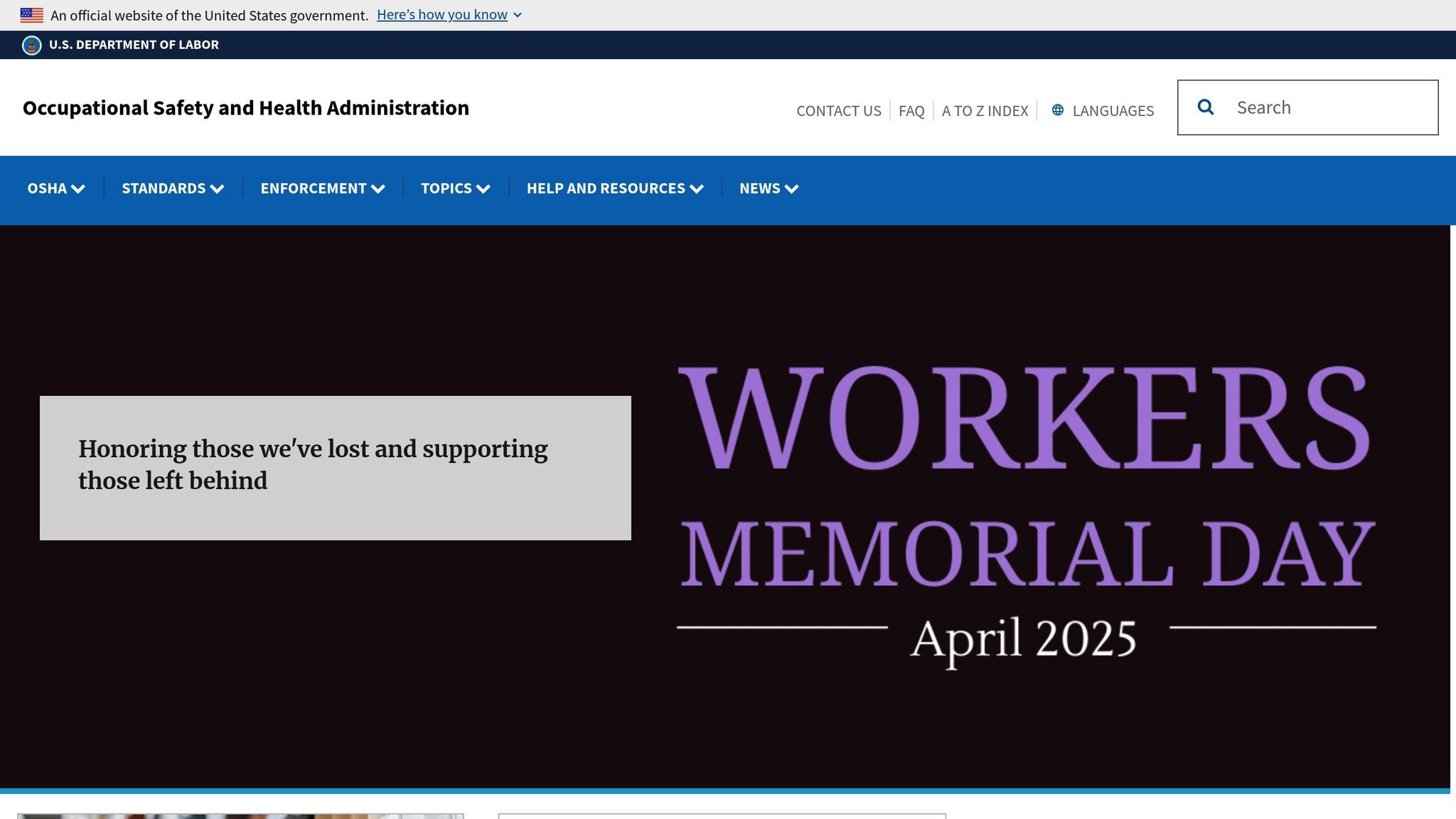 Employers are required to evaluate workplace hazards to determine the necessary first aid supplies. While OSHA doesn’t provide a detailed list of required items, the contents must address the specific risks present in the workplace. To comply with OSHA regulations and stay prepared, employers should:
- Regularly inspect and restock supplies to ensure none are expired.
- Keep a log of all inspections, restocking activities, and kit usage.
- Place kits and AEDs in clearly marked and easily accessible locations.
- Train employees in CPR, AED usage, and First Aid, ensuring certifications are up to date.
1. Assorted Bandages for Cuts and Scrapes
Adhesive bandages come in various sizes to cover and protect wounds, from small scrapes to more serious cuts in different areas of the body. Options include:- Small: Ideal for tiny cuts or scrapes.
- Medium: Suitable for standard-sized wounds.
- Large: Designed for bigger injuries.
- Specialty shapes: Perfect for tricky areas like fingers and joints.
2. Sterile Gauze for Managing Bleeding
When adhesive bandages aren’t enough to handle bleeding, sterile gauze becomes essential. It helps absorb and control moderate to heavy bleeding while providing a clean barrier to reduce the risk of infection. Here are the common types:- 2″x2″ pads: Ideal for cleaning small wounds or covering minor injuries.
- 4″x4″ pads: Useful for applying direct pressure to bleeding cuts or lacerations.
- Rolled gauze: Perfect for wrapping injuries or holding other dressings in place.
3. Medical Tape to Keep Dressings in Place
After applying gauze, use medical tape to keep dressings secure. This helps shield wounds from dirt and ensures they stay in place until proper medical attention is available. Here are a few common choices:- 1″ paper tape: Gentle on the skin, ideal for sensitive areas.
- 2″ cloth tape: Offers a stronger hold for larger or more active areas.
- Waterproof strips: Designed to resist moisture and stay put.
4. Wound Cleaning Supplies to Prevent Infection
Cleaning wounds properly before applying dressings helps lower the risk of infection. This step is crucial to ensure the wound heals safely and effectively. Here are some key supplies for wound cleaning:- Protective gloves: Always wear gloves to protect both the caregiver and the patient.
- Antiseptic wipes: Ideal for disinfecting small cuts and scrapes.
- Sterile saline solution: Useful for flushing out debris from wounds.
- Hydrogen peroxide (3%): Helps remove deeper contaminants from the wound.
- Antimicrobial towelettes: Clean the skin around the edges of the wound.
Get certified in CPR

Adult & Pediatric First Aid/CPR/AED — Blended Learning
Self-paced Red Cross course you complete online, then meet for a quick in-person skills check. Earns a 2-year certification.
From $69.00View course

CPR, AED & First Aid Certification
Instructor-led training where your team practices the exact response steps in this article on real manikins and AED trainers.
From $850.00View course
5. Antibiotic Ointment to Reduce Infection Risk
Once a wound is cleaned, applying antibiotic ointment can help reduce the risk of infection in minor injuries like cuts, scrapes, or burns. Keep small tubes (0.5–1 oz) of triple-antibiotic ointments on hand, such as those containing bacitracin, neomycin, and polymyxin B. Use a thin layer of the ointment on the wound before covering it with a clean dressing. Remember to replace opened tubes every six months or before their expiration date to ensure effectiveness. Next: Protective gloves – an essential step to safeguard both the responder and the patient during ointment application.sbb-itb-20dcc80
6. Protective Gloves to Ensure Safety
When selecting protective gloves, it’s important to prioritize materials that ensure safety for all users while accommodating potential sensitivities or allergies. Here are two common latex-free options:- Nitrile: Known for its durability and resistance to chemicals, making it suitable for higher-risk tasks.
- Vinyl: A budget-friendly choice, ideal for lower-risk situations.
7. CPR Face Shield for Safe Rescue Breaths
A CPR face shield is a must-have after gloves, providing a safe way to deliver rescue breaths. This lightweight, portable tool acts as a barrier, protecting both the rescuer and the victim. What to Look For in a CPR Face Shield:- A one-way valve to stop backflow
- A clear plastic window for visibility
- A compact, foldable design for easy storage
- Individual sealed packaging for hygiene
- Open the packaging carefully.
- Place the shield over the victim’s mouth and nose.
- Ensure it forms a snug seal.
- Use the valve to deliver rescue breaths.
- Check for the victim’s chest rising.
8. Cold Packs for Pain and Swelling Relief
After addressing breathing and bleeding, the next step is managing pain and swelling – and that’s where cold packs come in. Cold packs help reduce swelling and ease pain from injuries like sprains, strains, and bruises. They work by narrowing blood vessels, which helps limit inflammation and provides quick relief. While OSHA doesn’t specifically mandate cold packs, they’re often recommended in workplaces where musculoskeletal injuries are a concern. You can choose between instant cold packs or reusable gel packs. Both types should be kept at room temperature and checked monthly for leaks or damage. Always place a cloth between the pack and skin to prevent injury, and limit use to 20 minutes at a time. For reusable packs, store them properly in the freezer and replace any that show signs of wear. Make sure to include cold packs in your monthly first aid kit inspections, and record any replacements or maintenance in your log.9. Emergency Blanket to Treat Shock and Cold
An emergency blanket is a must-have for preventing hypothermia and managing shock. This lightweight metallic sheet reflects body heat, helping maintain temperature in situations like cold exposure, injury-related shock, or extended time outdoors. Look for a compact Mylar blanket that’s tear-resistant, waterproof, and features a reflective metallic side with a bright outer layer for visibility. To use it, wrap the metallic side inward to trap heat while keeping the colored side outward for better visibility. Regularly check the blanket for any damage, and replace it if it’s torn, worn, or has already been used.10. Essential Tools like Scissors and Tweezers
Make sure your kit includes heavy-duty scissors for cutting clothing or dressings and fine-point tweezers for removing splinters or debris. After using these tools, clean them thoroughly with disinfectant, dry them completely, and check for any signs of wear or damage. Replace any items that are no longer in good condition. To keep your kit effective, follow a maintenance routine to ensure all tools and supplies are always ready when needed.## Expanding Your Kit: Other Recommended Supplies While the ten essentials cover the basics, a truly effective first aid kit is tailored to your specific workplace risks. Think about the common injuries your team might face. A construction site has different needs than an office. Adding a few extra items can make a significant difference in an emergency, ensuring you have the right tool for the job when it matters most. These additions go beyond minimal compliance and create a more robust response system for a wider range of incidents.Trauma Pads
For injuries that are more serious than a simple cut, standard gauze pads might not be enough. Trauma pads are large, absorbent dressings designed to handle severe bleeding. According to Brown University Health, these are intended for “more serious injuries, which usually mean you need immediate medical help.” Having them on hand allows you to apply direct pressure and control significant blood loss while waiting for emergency services to arrive. They are a critical addition for any workplace where the risk of serious injury is higher, such as in manufacturing or construction environments.Triangular and Crepe Bandages
Triangular bandages are incredibly versatile. As noted by NHS 111 Wales, you can use one as a sling to support an injured arm, hold a broken collarbone in place, or even apply pressure to stop bleeding. Crepe bandages, or roller bandages, are just as useful for securing dressings, supporting sprained joints like wrists or ankles, and reducing swelling. Including both types in your kit gives you flexible options for immobilizing injuries and providing support, which is crucial for preventing further damage and managing pain until professional help can be provided.Sterile Eyepads
Eye injuries require immediate and careful attention. Whether it’s from dust, debris, or a chemical splash, having sterile eyepads is essential. These pads are specifically designed to cover the eye without applying pressure. If someone gets dirt or grit in their eye, you can gently place an eye pad over it and secure it with tape to protect it from light and prevent them from rubbing it. This simple step can prevent further irritation or scratching of the cornea while you seek medical assistance. They are especially important in workshops, labs, or outdoor work environments.Pain Relievers
Including common over-the-counter pain relievers like ibuprofen and acetaminophen can provide temporary relief for headaches, muscle strains, and minor pains. While not a substitute for medical evaluation, they can make an injured or unwell employee more comfortable. It’s important to manage this responsibly. Before giving anyone medication, always ask if they have any allergies. Stocking single-dose, tamper-evident packets is the best practice for a workplace setting to ensure safety and proper dosage. Make sure to check expiration dates regularly when you inspect your kit.Safety Pins
It might seem like a small detail, but safety pins are incredibly useful in a first aid situation. They are perfect for securing the end of a crepe bandage after wrapping a sprain or for fastening a triangular bandage when creating a sling. Their simple function ensures that your bandages and slings stay securely in place, providing continuous support to an injury. Keeping a few of various sizes in your kit means you won’t be fumbling to tie off a bandage or struggling to keep a dressing secure when you need to act quickly.
RECOMMENDED FIRST AID KIT
MobileAid 50-Person Trauma First Aid Kit
A fully stocked, OSHA-ready first aid station — organized supplies for workplaces of up to 50 people.
$294.95View kit
Using Your First Aid Kit: Key Techniques for Common Injuries
Having a well-stocked first aid kit is only half the battle; knowing how to use the supplies correctly is what truly prepares you to respond. When an injury occurs, confident and correct action can prevent a minor issue from becoming a major one. These fundamental techniques are the building blocks of effective first aid. However, reading about them is no replacement for hands-on practice. Taking a certified First Aid and CPR course is the best way to build the muscle memory and confidence needed to act effectively under pressure.How to Manage Severe Bleeding
When dealing with severe bleeding, the immediate goal is to control the blood loss. Start by putting on protective gloves. Then, press a sterile gauze pad or trauma pad directly on the wound with firm, steady pressure. If the injury is on an arm or leg, elevate the limb above the heart to help slow the bleeding. If blood soaks through the first dressing, do not remove it. Instead, add another pad on top and continue applying pressure. Maintain pressure until the bleeding stops or until emergency medical responders take over.How to Treat Sprains and Swelling
For sprains, strains, or bruises, the first step is to reduce swelling and pain. Apply a cold pack to the injured area for about 10 to 20 minutes. To prevent skin damage, always wrap the cold pack in a thin towel or cloth before placing it on the skin. If the swelling is significant or doesn’t improve, it’s important to seek medical advice, as it could indicate a more serious injury like a fracture. After applying cold, you can use a crepe bandage to gently wrap the area for support, but be careful not to wrap it too tightly.How to Properly Clean a Wound
Properly cleaning a minor cut or scrape is key to preventing infection. First, wash your hands and put on a pair of disposable gloves. If possible, rinse the wound with clean water to flush out any dirt or debris. You can also use sterile saline solution or alcohol-free antiseptic wipes. Gently pat the area dry with a clean gauze pad before applying an antibiotic ointment and covering the wound with a sterile bandage or dressing. For deeper or dirtier wounds, it’s best to have them cleaned by a medical professional.How to Use Emergency Scissors Safely
In some emergencies, you may need to cut away clothing to access a wound or injury. This is where trauma shears, or emergency scissors, are essential. These scissors are designed with a blunted tip to ensure they don’t cut the person’s skin while you remove fabric. Always slide the blunted bottom blade between the clothing and the skin, and cut away from the injury. This gives you a clear view of the wound so you can properly clean it and apply a dressing. Their sturdy design allows them to cut through tough materials like denim or leather with ease.Your Simple First Aid Kit Maintenance Checklist
To keep your emergency kit in top shape, follow these simple steps:- Assign someone to inspect the kit every month.
- Look over all items – like bandages, gauze, ointments, and tools – for expiration dates or damage.
- Replace any used or expired supplies right away, and record each inspection, restock, and usage.
- Make sure tools like scissors, tweezers, and CPR shields are still sterile and in good condition.
- Update the inspection log and clearly mark the next check date on the kit’s door.
Storing and Accessing Your First Aid Kit
Once your kit is ready, keep these storage and placement tips in mind:- Label everything clearly and ensure supplies are easy to find.
- Protect from extreme temperatures by storing kits in controlled environments, like AED cabinets, to avoid damage from heat or cold.
- Place kits at an accessible height, mounting them no higher than 48 inches off the floor in visible locations for quick access.
Choosing the Right Container
The container you choose is just as important as what’s inside. It protects your supplies from damage, dust, and moisture, ensuring they’re ready when you need them. When you select a first aid kit, think about your specific work environment. A durable, gasket-sealed metal or plastic case is ideal for industrial settings or work vehicles where it might get bumped around. For an office or school, a wall-mounted cabinet keeps the kit visible and stationary. If your team is often on the move, a portable soft-pack kit might be the best fit, allowing you to grab it and go directly to the scene of an emergency.Smart Placement for Quick Access
A first aid kit is only effective if people can find it quickly. Place your kits in central, well-lit locations that are easy for all employees to see and reach. OSHA guidelines suggest mounting cabinets no higher than 48 inches from the floor to ensure accessibility. Use clear signage to mark each location so there’s no confusion during an emergency. It’s also critical to protect supplies from extreme temperatures, which can degrade adhesives and ointments. Storing your kit in a climate-controlled AED cabinet is a great way to keep both your first aid supplies and your defibrillator safe, secure, and ready for action.Expert Advice for Any Emergency
The First Step: Always Call 9-1-1
Having a well-stocked first aid kit is a great start, but knowing how to respond is what truly matters. In any serious emergency, your first and most important action should always be to call for professional help. As health experts from Brown University advise, “In any emergency, your first call should be to 9-1-1.” This simple step sets a chain of events in motion, dispatching trained responders who can provide advanced medical care. While you can offer immediate assistance with your first aid supplies, nothing replaces the expertise and equipment of paramedics. Staying calm and making that call ensures help is on the way, giving the injured person the best possible chance for a positive outcome.Administering Medication Safely
While your first aid kit might include common over-the-counter pain relievers, it’s critical to be cautious when giving medication to someone else. Before offering anything, you must ask if they have any allergies. It’s safest to only give medicine to family or close friends whose medical history you know well. Administering a medication to someone with an unknown allergy or a conflicting medical condition can cause a severe reaction, making a bad situation much worse. Your role as a first responder is to provide immediate, safe care and prevent further harm—not to act as a doctor. When in doubt, it’s always better to wait for professional medical personnel to arrive and make those decisions.Why Proper Training is Non-Negotiable
A first aid kit is just a box of tools; it’s your knowledge that makes them effective. That’s why proper training is essential for anyone who wants to be truly prepared. As OSHA guidelines emphasize, employers should “Train employees in CPR, AED usage, and First Aid, ensuring certifications are up to date.” This isn’t just about checking a compliance box—it’s about building the confidence and muscle memory to act decisively when every second counts. Hands-on courses, like our onsite CPR and First Aid training, teach you how to assess a situation, use supplies correctly, and perform life-saving techniques under pressure. Getting certified empowers you to move beyond hoping for the best and become someone who can genuinely help in an emergency.
Not sure which AED or training fits your needs?
A CPR1 product expert walks you through it — no obligation.
Talk to a CPR/AED Expert →Your Next Steps for Workplace Safety
Keeping a first aid kit in good condition is more than just following regulations – it can truly save lives. We’ve covered the ten key supplies needed for an OSHA-compliant kit, but having the right supplies is just the beginning. To be fully prepared, take these steps today:- Audit your workplace’s first aid supplies to ensure everything is stocked and up-to-date.
- Arrange professional first aid and CPR/AED training for your team to build confidence in handling emergencies.
“Most importantly, the class was fun and interactive, involving the students in real life scenarios and hands-on practice… By the end of the class, we not only received our two-year American Heart Association certification, but gained a comfort level to address emergency situations should they arise.” – Gayle Lorenc, WebsenseCombine first aid kit upkeep with regular AED maintenance and consider using mobile apps to monitor expiration dates. These proactive measures help meet OSHA standards and prepare your workplace to handle emergencies effectively.
Related posts
- Complete AED Maintenance Checklist for Businesses
- CPR Certification Guide: Requirements and Process
- Top 6 AED Devices for Small Business Settings
Frequently Asked Questions
Does OSHA have a mandatory checklist for first aid kits? This is a common point of confusion, but the short answer is no. OSHA doesn’t provide a specific shopping list. Instead, they require that your first aid supplies are adequate for the specific hazards present in your workplace. The list in this guide is based on the ANSI standard, which is a fantastic starting point for any business. The key is to conduct a simple assessment of your work environment to determine if you need to add specialized items, like extra burn cream for a kitchen or trauma pads for a manufacturing floor. How often do I really need to inspect my first aid kit? A quick check once a month is the best practice. It sounds like a lot, but it only takes a few minutes. The goal is to catch expired ointments or replace any bandages that were used. Think of it less as a chore and more as a simple reset to ensure you’re always prepared. A good tip is to set a recurring calendar reminder or tie the inspection to another monthly task you already do, like a team meeting or inventory check. Is it better to buy a pre-stocked kit or build one myself? There’s no wrong answer here, as both are great options. A pre-stocked kit is convenient and ensures you have a solid, compliant foundation right out of the box. Building your own allows you to customize it perfectly to your workplace’s unique risks. A practical approach many businesses take is to start with a quality pre-stocked kit and then add extra supplies based on their specific needs. Should I add medications like pain relievers to our workplace kit? Including over-the-counter pain relievers can be helpful, but you need to handle it correctly to avoid any issues. The best approach is to stock single-dose, tamper-evident packets of common medications like ibuprofen or acetaminophen. This prevents contamination and ensures proper dosage. However, you should never dispense medication yourself. Simply make them available for employees to use at their own discretion after they’ve considered their own allergies and health conditions. How do I know if my workplace needs more than just the basic supplies? The best way to figure this out is to think about the most likely injuries that could happen on a typical day. If your team works in a kitchen, you’ll want more burn care supplies. If you’re on a construction site, you should absolutely have trauma pads for severe bleeding and triangular bandages for slings. The essentials are a great baseline, but tailoring your kit to your environment is what makes it truly effective.Key Takeaways
- Go Beyond the Basic Checklist: A generic first aid kit covers the essentials, but a truly effective one is customized for its environment. Assess the specific risks of your workplace, car, or home and add supplies—like trauma pads for a factory or extra cold packs for a sports team—to ensure you’re prepared for the most likely injuries.
- Treat Your Kit Like a Living Resource: Your first aid kit isn’t a one-and-done purchase. Make monthly inspections a non-negotiable routine to replace used items, check expiration dates, and confirm everything is accessible. An out-of-date or half-empty kit is just as bad as having no kit at all.
- Remember That Tools Require Training: A well-stocked kit is only useful if you know how to use its contents under pressure. Investing in certified First Aid and CPR training is what turns a box of supplies into a life-saving resource, giving you the confidence to act correctly when every second counts.
Ready to Learn CPR and Save Lives?
Get certified in CPR, First Aid, and AED use with our accredited courses. Online and in-person options available for individuals, families, and businesses.
Browse CPR Training Courses →


