




You have the skills to save a life. What if you could teach hundreds of others to do the same? Becoming a teacher is a powerful way to multiply your impact. As an American Red Cross instructor, you’ll join an expert group that empowers communities with life-saving knowledge. Whether you want to be a Red Cross CPR instructor or teach First Aid, our comprehensive Red Cross instructor training is your first step. This is how you can share your skills and prepare more people to act when it matters most.
To become an instructor, candidates must:
- Check that you meet all prerequisites to enroll in the instructor course for your chosen program. The course fact sheets provided below provide detailed requirements.
- Complete the instructor course to earn your certification and become a recognized professional.
- Instructor courses are delivered through a blended learning approach. They start with an online introduction to the program, then an in-person session. Candidates must first complete the online introduction to attend the in-person course.
- After certification, instructors must affiliate with or become a Licensed Training Provider. This requires a signed agreement, which ensures they can teach, report Red Cross courses, and issue certificates. Instructors may also serve as employees or volunteers with the Red Cross. For details on employment or volunteer opportunities, visit www.redcross.org.
- Instructors without an official affiliation are not authorized to teach Red Cross courses.
Ready to Become a Red Cross Instructor?
Becoming a Red Cross instructor is both rewarding and impactful. By teaching lifesaving skills, you help people. You also join a respected group of highly trained professionals. Red Cross instructors prepare millions in schools, businesses, and communities annually.
If you are passionate about teaching CPR, first aid, or water safety, the American Red Cross can help. They offer complete training and support to ensure your success.
One of the most important skills Red Cross instructors teach is CPR & AED. These life-saving techniques are crucial in emergencies, such as cardiac arrest. Every second counts. As an instructor, you will help others spot signs of distress. You will show them how to do chest compressions well and use an AED confidently. This way, you equip communities with the skills needed to save lives.
Choosing Your Red Cross Instructor Course
Identify the instructor certification path that aligns best with your goals:
- New Instructor: These courses suit new instructors. They are ideal for those who want to teach effectively.
- Experienced Instructor: Online bridging courses are for certified instructors from other organizations. They want to teach Red Cross courses.
- Instructor Trainer: These courses are for instructors who train other instructors. In other organizations, these roles are often called “train-the-trainer” or “Instructor Faculty.”
Instructor and Instructor Trainer certifications remain valid for two years. Depending on the program area, the program may also require basic provider certification.
Renewing your instructor certification is straightforward. Most Red Cross instructors must recertify online and meet the required teaching minimums for their program area. Lifeguarding instructors must attend an in-person renewal course.
Built on the Latest Science
When you teach a lifesaving skill, you want to be certain it’s the most effective method available. That’s why leading training programs, including those from the American Red Cross, are built on a solid foundation of scientific research. The curriculum isn’t static; it’s continuously updated to align with the latest guidelines from global authorities like the Red Cross Scientific Advisory Council, which contributes to the International Liaison Committee on Resuscitation (ILCOR) standards. This means every technique you teach—from the depth of chest compressions to the proper use of an AED—is backed by evidence. As an instructor, this gives you the confidence that you are empowering your students with skills that are not just certified, but scientifically proven to save lives.
First-Time Instructor? Here’s Where to Start
New instructor candidates without prior experience teaching similar courses must fulfill specific requirements:
- Complete the online course before attending the in-person skills session.
- Complete the in-person skills session successfully.
- Instructors must affiliate with or become Red Cross Training Providers before their first class. They must agree to conduct classes, report courses, and issue certificates.
The courses below are for those who want to teach and certify learners. They need to gain instructor certification first. Most courses, except First Aid for Severe Trauma, need in-person attendance. Use the “Find a Class” tool to locate courses near you.
First Aid Instructor Courses
- First Aid/CPR/AED Instructor
- Babysitter’s Training Instructor
- Wilderness & Remote First Aid Instructor Skills Session
Aquatics Instructor Courses
- Lifeguarding Instructor
- Water Safety Instructor® (WSI™)
- CPR/AED for Professional Rescuers Instructor (CPRO)
- Basic Swim Instructor
Healthcare Instructor Courses
- CPR/AED for Professional Rescuers Instructors
- Basic Life Support (BLS)
- Advanced Life Support Instructor (sometimes referred to as ACLS)
- Pediatric Advanced Life Support Instructor (PALS)
- Emergency Medical Response Instructor
Get certified in CPR

Adult & Pediatric First Aid/CPR/AED — Blended Learning
Self-paced Red Cross course you complete online, then meet for a quick in-person skills check. Earns a 2-year certification.

CPR, AED & First Aid Certification
Instructor-led training where your team practices the exact response steps in this article on real manikins and AED trainers.
Meeting the Prerequisites
Before you can sign up for an instructor course, you’ll need to make sure you meet the foundational requirements. The Red Cross wants to ensure its instructors are fully prepared to lead a class with confidence and expertise. This starts with having a solid grasp of the material yourself. Think of it as building your own strong foundation before you can help others build theirs. The main prerequisite is holding a current certification in the skill you plan to teach, which demonstrates your proficiency and readiness to take the next step into a teaching role.
Holding a Basic Certification
It makes sense that before you can teach a skill, you need to have mastered it yourself. That’s why most instructor programs require you to hold a current basic-level certification in the subject you want to teach. For example, to become a CPR instructor, you must first have a valid CPR provider certification. This ensures you are up-to-date on the latest guidelines and techniques. This initial certification proves your competence and serves as the entry ticket to your instructor training, where you’ll learn how to effectively transfer that knowledge to others.
Understanding the Time and Cost Commitment
Becoming a certified instructor is an investment in your professional development, and it’s helpful to understand the commitments involved from the start. Both your time and your budget are valuable, so knowing what to expect can help you plan effectively. The training is structured to be flexible, but it does require dedicated time for both online and in-person components. Similarly, there’s a clear cost structure for the course, which covers your initial training and materials, setting you up for success as you begin your teaching journey.
Course Duration
Red Cross instructor courses are designed for busy schedules, using a blended learning approach that combines online and in-person training. You’ll begin with an online introduction to the program, which you can complete at your own pace. This digital component covers foundational knowledge and prepares you for the hands-on portion of the course. It’s important to know that completing the online module is a mandatory first step. Once that’s done, you’ll attend an in-person session where you’ll practice your teaching skills and get direct feedback from an experienced Instructor Trainer.
Course Costs
The financial investment for becoming an instructor is straightforward. A CPR, AED, and First Aid Instructor Development Course can start at around $415, which typically includes your first program package. This fee covers the essential training and materials you need to get started. If you’re interested in teaching multiple disciplines, you can often add more programs for an additional cost, allowing you to expand your teaching portfolio. Think of this as an investment in a rewarding skill set that allows you to become a training professional and make a real impact in your community.
Already an Instructor? Bridge to Red Cross Certification
Free online Instructor Bridge Courses are for certified instructors. They are from equal training organizations. These courses will help them become Red Cross instructors. After enrolling, submit the required documentation. Once the reviewers approve your certification, you can access these courses.
- Advanced Life Support Instructor Bridge
- Basic Life Support Instructor Bridge
- CPR/AED for Professional Rescuers Instructor Bridge
- Emergency Medical Response Instructor Bridge
- First Aid/CPR/AED Instructor Bridge
- First Aid for Severe Trauma Instructor – Online Bridge
- Virtual First Aid for Severe Trauma – Instructor Crossover (Blended Learning [BL])
- Head, Neck, Muscle, Bone, Joint Injuries, and Splinting Instructor Bridge
- Life-Threatening Bleeding Tourniquet Application Instructor Bridge
- Emergency Medical Response Instructor Bridge
- Pediatric Advanced Life Support Instructor Bridge
After certification, instructors must become Red Cross Training Providers. They must agree to teach, report courses, and issue certificates.
Taking Advantage of Free Bridging Courses
If you’re already a certified instructor with another training organization, you don’t have to start from scratch to teach for the Red Cross. The organization values your experience and offers free online Instructor Bridge Courses to help you make a smooth transition. This pathway is designed specifically for current instructors from equivalent organizations who want to add a Red Cross certification to their credentials. The process is straightforward: you enroll in the appropriate bridge course online and submit your current instructor certification for review. Once your documentation is approved, you’ll get access to the course materials. This allows you to quickly become authorized to teach Red Cross programs, from Basic Life Support (BLS) to First Aid/CPR/AED, and affiliate with a Licensed Training Provider to begin teaching.
Ready to Train the Trainers?
These free online courses are for instructors who train and certify other instructors. In other organizations, these instructors are often called Instructor Faculty.
Once you meet the prerequisites and get certified, you can start the online Instructor Trainer bridging course for some programs.
- Advanced Life Support Instructor Trainer Bridge
- Basic Life Support Instructor Trainer Bridge
- Emergency Medical Response Instructor Trainer Bridge
- First Aid/CPR/AED Instructor Trainer Bridge
- Pediatric Advanced Life Support Instructor Trainer Bridge
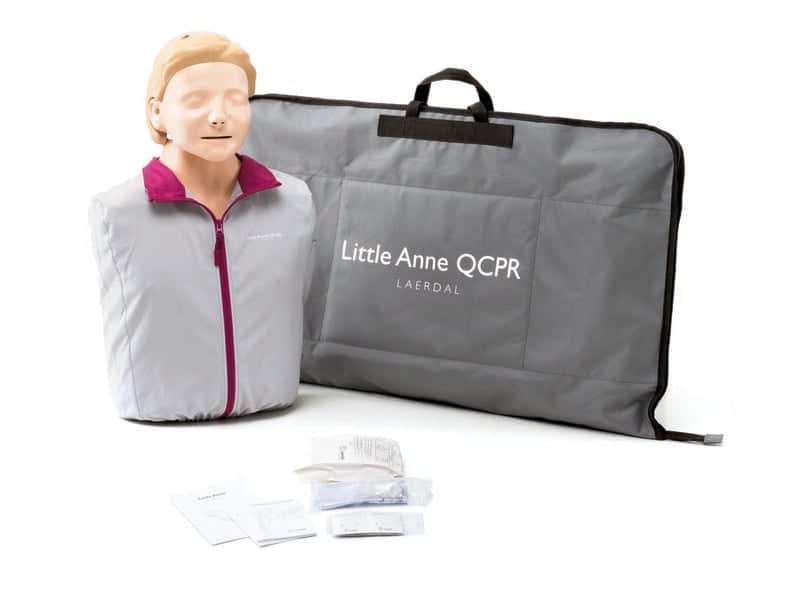
RECOMMENDED FOR PRACTICE
Little Anne QCPR Training Manikin
Laerdal’s trusted CPR training manikin with real-time QCPR feedback — practice compressions and breaths with confidence.
After earning certification, an instructor trainer must join a Red Cross Training Provider. This requires signing an agreement to teach, report courses, and issue certificates.
FAQs
What Do I Need to Become a Red Cross Training Provider?
To become a Red Cross Training Provider, you must sign an agreement. It allows you to teach, report courses, and issue certificates.
Can Instructor Trainers Teach Without Affiliation?
Instructor trainers must be either Red Cross-affiliated or recognized providers to conduct courses and issue certifications.
What’s in the Instructor Trainer Agreement?
The agreement includes guidelines for teaching Red Cross courses. It covers reporting completed courses and issuing valid certificates.
Is Affiliation Mandatory for Instructor Trainers?
All certified Instructor Trainers must affiliate with the Red Cross or become a Training Provider before teaching.
How Do I Get Started as an Instructor Trainer?
Once certified, you can sign an agreement to affiliate with the Red Cross. You can then start teaching courses immediately.
What Can You Earn as a Red Cross Instructor?
Becoming a Red Cross instructor is a fulfilling way to share life-saving knowledge, and it also offers flexible career paths with solid earning potential. Your income will largely depend on the path you choose: working as an employee for an established training provider or launching your own training business. Both options have their unique benefits. Working for a company provides stability and a steady paycheck without the complexities of business management. On the other hand, starting your own business gives you complete control over your schedule and opens the door to higher earning potential, though it comes with more responsibility for marketing, scheduling, and equipment management.
Instructor Compensation Models
Your compensation as a Red Cross instructor can vary significantly based on your employment model. If you prefer a straightforward approach, joining an authorized training provider like CPR1.com means you can focus purely on teaching. You’ll receive a consistent hourly wage and won’t have to worry about finding students or purchasing expensive equipment. If you have an entrepreneurial spirit, running your own business allows you to set your own prices and keep the profits. This path requires more upfront investment and business savvy, but the financial rewards can be much greater as you build your client base and reputation in the community.
Working for a Training Center
When you work as an employee for a licensed training provider, you can expect a reliable hourly wage, typically between $20 and $25 per hour. This is an excellent option if you’re just starting out, as it allows you to gain valuable teaching experience without the financial risk of starting a business. The training center handles all the administrative tasks, including marketing the classes, registering students, and providing the necessary training equipment. You simply show up and do what you do best: teach. It’s a great way to build your confidence and network with other professionals in the field.
Running Your Own Business
If you’re ready to be your own boss, starting a training business can be incredibly profitable. For example, if you teach a class of 10 students, you could make around $500 in profit for just a few hours of work. As a business owner, you have the freedom to set your own schedule, choose your clients, and build a brand that reflects your values. While you’ll be responsible for all aspects of the business—from marketing to accounting—the potential for growth is unlimited. You can specialize in corporate training, community workshops, or even offer private classes for families.
Tips for Success as a New Instructor
Stepping into the role of an instructor is exciting, and a few key strategies can help you stand out and build a strong reputation right from the start. Your primary goal is to create a learning environment where students feel confident and capable. This means not only mastering the curriculum but also finding ways to make the material engaging and memorable. Think about how you can connect with your students on a personal level and make the skills feel relevant to their lives. A great instructor doesn’t just teach techniques; they empower people to act decisively in an emergency, ensuring they are truly Response Ready.
Invest in Your Own Equipment
While not always required if you work for a training center, owning your own teaching materials can make you a more attractive candidate for teaching jobs. Having a set of high-quality mannequins and AED trainers shows you’re serious about your profession. If you plan to run your own business, investing in your own training equipment is essential. It gives you the flexibility to schedule classes whenever and wherever you want, without relying on borrowed or rented supplies. Plus, using modern, well-maintained equipment enhances the learning experience for your students and reflects positively on your professionalism.
Add Value Beyond the Curriculum
The best instructors do more than just follow the lesson plan. They bring the material to life by sharing relevant stories, offering practical tips, and answering questions with thoughtful, real-world examples. Try to add extra helpful information that goes beyond the required curriculum. This makes your classes more interesting and demonstrates your expertise. When students leave your class feeling truly prepared and empowered, they are far more likely to recommend you to friends, family, and colleagues. Word-of-mouth referrals are powerful, and they start with delivering an exceptional training experience every single time.
Accessing Instructor Resources and Support
Once you’re a certified Red Cross instructor, you’re not on your own. The Red Cross provides a wealth of resources and a dedicated support system to help you succeed. From digital teaching materials to direct assistance from support staff, you have everything you need to manage your courses and stay up-to-date on the latest guidelines. Familiarizing yourself with these resources early on will make your job much easier. Knowing where to find class rosters, download updated presentations, or get help with a technical issue allows you to focus your energy on delivering high-quality instruction to your students.
Using the Red Cross Instructor’s Corner
The Red Cross Instructor’s Corner is your go-to online portal for everything you need to teach. It’s a comprehensive resource hub where you can access course materials, manage your class records, print certificates, and find important program updates. To make things easy, you should bookmark the Instructor’s Corner URL for quick access. Regularly checking the portal ensures you’re always using the most current curriculum and following the latest teaching standards. It’s an indispensable tool for staying organized and professional.
Contacting the Training Support Center
Sometimes you might run into an issue that you can’t solve through the online portal. Whether you’re having trouble accessing your Instructor’s Corner account or have a specific question about course administration, help is just a phone call away. If you’ve tried the available online resources and still need assistance, you can call the Training Support Center at 1-800-Red-Cross. The support team is there to help you resolve technical problems and answer your questions, ensuring you have the backup you need to run your classes smoothly.
Your Next Steps to Becoming an Instructor

Not sure which AED or training fits your needs?
A CPR1 product expert walks you through it — no obligation.
Talk to a CPR/AED Expert →In conclusion, being a Red Cross Instructor Trainer is rewarding. It lets you teach lifesaving skills and make a real impact. Join the Red Cross or become a Training Provider. You can then lead courses, empower learners, and make communities safer. With solid training and support, you’ll be ready to excel in this role. You’ll inspire others to act in critical moments.
Key Takeaways
- Meet the Core Requirements to Get Started: Before you can teach, you need a current provider certification in your subject. After completing the instructor course, you must affiliate with a Licensed Training Provider to officially hold classes and issue certifications.
- Select the Training Track That Fits You: The Red Cross offers distinct paths for every experience level. You can start fresh as a new instructor, use a free bridging course if you’re already certified with another organization, or advance to become an Instructor Trainer.
- Decide How You Want to Earn: You have two main career options after certification—work for a training center for a steady hourly wage without the overhead, or start your own business to control your schedule and maximize your income potential.
Related Articles
- American Red Cross Instructor: A Step-by-Step Guide
- AHA vs. Red Cross: Rescue Breath Differences in CPR Training — CPR1
- Comparing CPR AHA and Red Cross training programs. — CPR1
- Basic Life Support-BL Certification – Blended Learning Course — CPR1
Ready to Learn CPR and Save Lives?
Get certified in CPR, First Aid, and AED use with our accredited courses. Online and in-person options available for individuals, families, and businesses.
Browse CPR Training Courses →


