



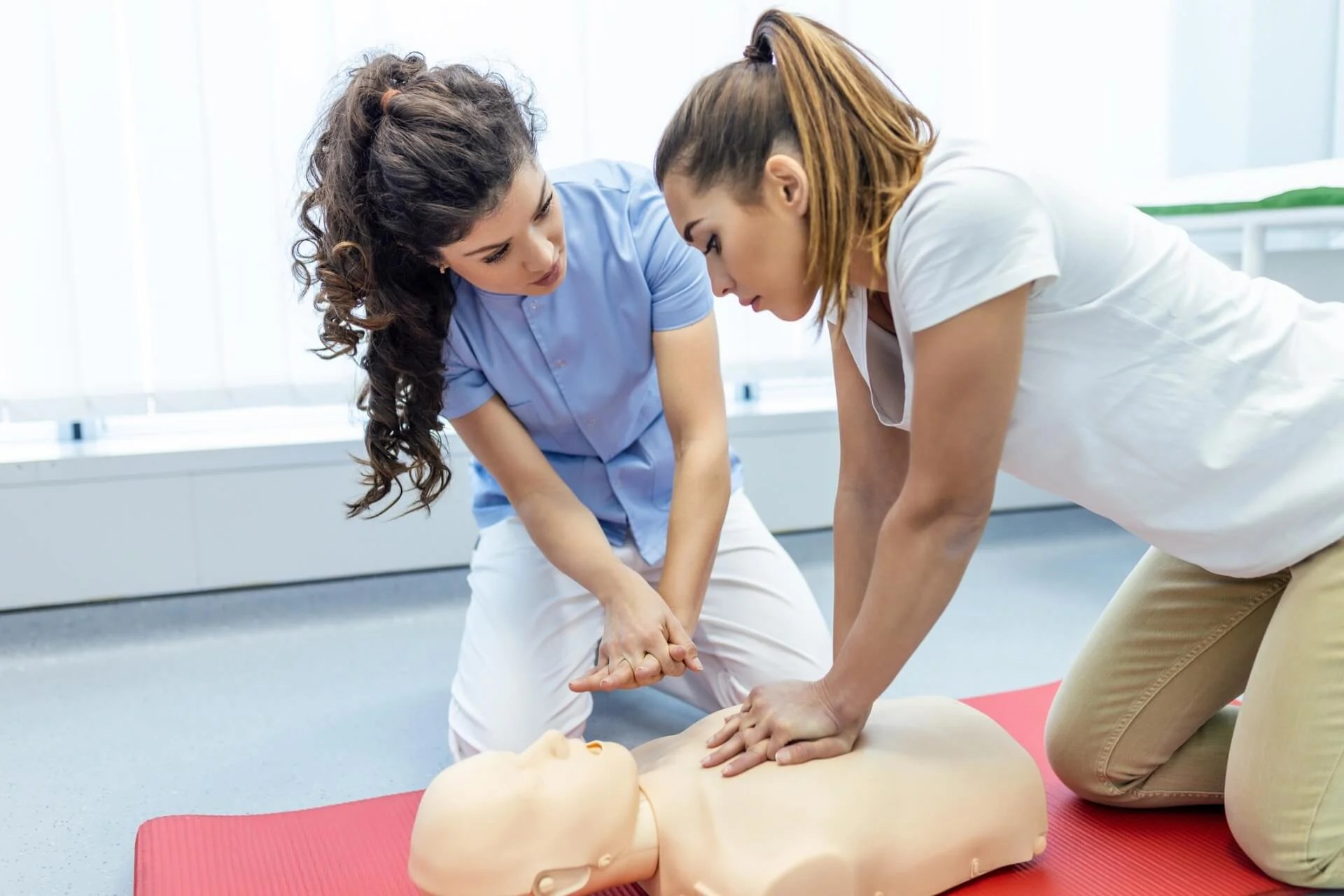
One of the biggest myths about teaching CPR is that you need a medical background. That’s simply not true. Great instructors come from all walks of life—they are teachers, parents, safety managers, and community volunteers. What they share is a passion for helping others and strong communication skills. If you have that, you’re already halfway there. The next step is understanding the certification process and the investment it requires. So, how much does it cost to become a cpr instructor? We’ll break down the fees, equipment costs, and other expenses to give you a clear path forward, no medical degree required.
As sudden cardiac arrests rise, so does the demand for CPR training. More states are now requiring CPR certification. This need shows we must have more qualified CPR instructors. There is a growing demand for lifesaving skills in communities nationwide. If you’re thinking of becoming a CPR instructor, this guide will help. It details the costs of starting your journey.
What Does It Mean to Be a CPR Instructor?
CPR instructors play an essential role in our communities by teaching lifesaving skills. If you love teaching and saving lives, consider becoming a CPR instructor. It’s a great way to do both. Reputable organizations, like the American Heart Association, certify CPR instructors. They can teach healthcare professionals and non-medical responders in schools, daycares, and workplaces. CPR instructors often teach as part of their jobs. They train individuals and groups, functioning solo within their communities. CPR training demand varies by location. Trainers often cater to specific industries based on their area. In rural areas, CPR instructors may work more with factories, farms, and OSHA-regulated workplaces. Urban areas need more training for community centers, clinics, and medical offices.
Benefits of Being a CPR Instructor
Becoming a CPR instructor is more than just a job—it’s a chance to make a real impact while gaining significant personal and professional advantages. Beyond the fulfillment of teaching others how to save a life, this role offers practical benefits that can fit into your existing career or open doors to new opportunities. From a flexible schedule that respects your time to building a professional network, the perks are substantial. If you’re looking for a rewarding path that combines purpose with practical skills, exploring the benefits of becoming a certified instructor is a great next step.
Flexible Schedule
One of the most attractive aspects of being a CPR instructor is the ability to create a schedule that works for you. Since CPR classes are typically just a few hours long, you can often find teaching opportunities that fit around a full-time job, school, or family commitments. Many organizations need instructors for evenings and weekends to accommodate their staff’s schedules. This flexibility makes it an ideal part-time role or side hustle, allowing you to earn extra income without overhauling your entire routine. You can choose to teach as much or as little as you want, giving you control over your work-life balance while contributing a vital service to your community.
Resume Building
Adding “Certified CPR Instructor” to your resume is a powerful way to stand out to potential employers. This credential immediately signals that you possess strong leadership, communication, and public speaking skills. As noted by SureFire CPR, “Being an instructor shows you have leadership skills, can teach well, and care about your community.” This is especially valuable if you’re pursuing a career in competitive fields like healthcare, education, or emergency services. It demonstrates a commitment to safety and the ability to remain calm and competent under pressure—qualities that are universally respected in any professional setting. It’s a credential that speaks volumes about your character and capabilities.
Networking Opportunities
As a CPR instructor, your classroom becomes a unique meeting ground for people from all walks of life. You’ll connect with healthcare professionals, corporate safety managers, teachers, new parents, and community leaders. Each class is an opportunity to build relationships with individuals who share a commitment to preparedness. These connections can be incredibly valuable, leading to new friendships, mentorships, or even career opportunities, particularly in the medical field. You’re not just teaching a class; you’re building a network of proactive, safety-conscious individuals who can become a valuable part of your professional circle.
Access to the Latest Science
The science behind CPR and emergency response is constantly evolving. As an instructor, you are on the front line of these advancements. The American Heart Association states, “As an instructor, you will get access to the newest science, course updates, and teaching tools.” This ensures you are always teaching the most effective, evidence-based techniques. This commitment to continuous learning keeps your skills sharp and positions you as a credible expert in the field. Being an instructor means you don’t just learn CPR once; you master it, staying current with the latest life-saving protocols and guidelines to provide the highest quality training.
How to Become a CPR Instructor: A Step-by-Step Guide
To be a CPR instructor, you must meet some prerequisites before a course. These requirements are usually straightforward. For example, take a standard CPR class before enrolling in an AHA instructor course. After those steps, you can sign up for the instructor training to begin your journey. Take the AHA Basic Life Support (BLS) course. It qualifies you to teach the highest level of CPR for healthcare providers. Some instructor courses focus on the ‘Heartsaver CPR Instructor’ level. It only requires basic Heartsaver CPR certification as a prerequisite. Yet, these courses are rare. Many instructors prefer to certify themselves to teach both BLS and Heartsaver classes. They expand their job opportunities. It is often recommended that CPR trainers use AHA courses. They are the top authority on CPR research and guidelines. Once certified as an AHA instructor, you can use reciprocity agreements with the American Red Cross and the Health and Safety Institute. Their bridge courses will expand your credentials.
Prerequisites and Requirements
Before you can teach others how to save a life, you need to prove you’ve mastered the skills yourself. The first step is holding a current provider-level certification in the discipline you plan to teach. For most aspiring instructors, this means completing an American Heart Association (AHA) Basic Life Support (BLS) course. This certification is your foundation, showing you have the essential knowledge to guide others effectively. Beyond having your own certification, you’ll need to meet a few other key requirements before enrolling in an instructor course. These steps are in place to ensure every instructor is qualified, prepared, and ready to create a positive and effective learning environment for their students.
Minimum Age
To become a certified CPR instructor, you must be at least 18 years old. This requirement ensures that instructors have the maturity and experience needed to manage a classroom and handle the responsibility of teaching critical, life-saving skills. As an instructor, you will guide people from all walks of life, from nervous parents to seasoned healthcare professionals. The ability to communicate with clarity, confidence, and authority is essential. The age minimum helps guarantee that every certified instructor is prepared for the leadership that the role demands, ensuring a high standard of training across the board.
Find an AHA Training Center
The American Heart Association doesn’t certify instructors directly; instead, it authorizes a network of Training Centers (TCs) to conduct instructor courses. Your next step is to find an AHA Training Center in your area and confirm they are accepting new instructor candidates. Not all TCs are actively looking for new instructors, so it’s important to call and ask about their alignment process. This TC will become your primary resource, guiding you through certification and providing ongoing support. Organizations like CPR1.com are aligned with these official networks and can help you find the right path to becoming a successful instructor.
Practical Advice for New Instructors
Once you’ve met the prerequisites, a little practical advice can make your journey much smoother. First, double-check that your own provider certification is current before you sign up for the instructor course. Showing up with an expired card is a common mistake that can delay your training. It’s also wise to hold off on buying any teaching equipment until after your instructor course is complete. Your training will clarify exactly what you need, and your affiliated Training Center may have specific requirements for manikins or AED trainers. As one expert notes, it’s best to wait until after your instructor training to purchase supplies, so you don’t waste money on the wrong gear.
Beyond the logistics, start thinking about your teaching style. Being a great instructor isn’t just about demonstrating perfect compressions; it’s about connecting with your students and building their confidence. Practice explaining concepts in simple, clear terms and think about how you can make the material engaging and memorable. Your goal is to empower every person who leaves your class with the certainty that they can act effectively in an emergency. Partnering with a supportive training provider can make all the difference, offering mentorship and resources as you build your skills and your business.
What Skills Make a Great CPR Instructor?
As a CPR instructor, you must have strong classroom management skills. You need to be a confident public speaker. You must engage with a diverse range of students. These skills are key to creating an inclusive, effective learning space. They will ensure your success in the role. A medical background can help with the CPR course. But, it is not required to become a CPR instructor. While medical experience can help your teaching, it’s not required. You don’t need any healthcare knowledge to certify as a CPR instructor.
How much does it cost to become a CPR instructor?
Becoming a CPR instructor costs $500 to $935. This covers the certification, course materials, and the instructor training. This investment may seem high. But, it is often recouped after a few CPR classes. CPR instructor course costs vary by location and training center. Typical expenses include course fees, training materials, and any extra certification requirements.
- CPR provider certification costs vary between $75 and $150.
- Your instructor will provide the AHA Instructor Essentials online course before class. It usually costs about $35.
- The hands-on classroom component for instructors costs $250 to $600, based on your location.
- Monitoring fees can range from $0 to $150. Some training centers may include this cost in the course fee.
After the course, you must buy or rent equipment for your classes. So, factor in these costs. To understand pricing and explore options, please browse CPR1 Training Supplies.
Costs Beyond Initial Training
While the initial certification is your first major investment, it’s not the only cost to consider. If you plan to teach independently, you’ll need to budget for equipment, student materials, and other business expenses. Understanding these ongoing costs is a key part of building a successful and sustainable training business. Think of it less as a one-time fee and more as the foundation for your new venture. Planning for these expenses from the start will help you set your class prices appropriately and ensure you have everything you need to provide high-quality, professional instruction for every student who walks through your door.
Teaching Equipment
To run your own classes, you’ll need professional-grade teaching equipment. This includes CPR manikins (for adults, children, and infants), AED trainers, and first aid supplies. The initial cost for this gear can vary significantly based on the quantity and quality you choose. For example, a set of manikins and AED trainers is essential for hands-on practice, which is the most critical part of any CPR class. You can find a full range of training supplies to fit your needs, from basic starter kits to more advanced equipment for larger classes. Remember that this equipment will also require maintenance and sanitation between sessions.
Student Certification Cards
For every student you successfully train, you will need to issue an official certification card from the organization you’re aligned with, like the American Heart Association. This is a direct, per-student cost that you’ll need to factor into your pricing. For instance, an AHA certification card can cost around $22 per student, a fee that often includes access to a digital student manual. This recurring expense is a necessary part of the process, as it provides your students with the official credential they need for their job or personal records. Managing this inventory of cards or digital codes becomes a regular part of your administrative tasks.
Business Start-Up Costs
If you’re launching your own CPR training business, think beyond the course and equipment fees. You’ll need to consider other essential start-up costs to operate professionally and legally. This includes business registration fees, liability insurance to protect you and your students, and a basic marketing budget to attract your first clients. You might also need to invest in a website, a scheduling system, and payment processing tools. Planning for these financial elements is crucial for turning your passion for teaching into a viable business that can grow and serve your community effectively.
The Ongoing Commitment of a CPR Instructor
Becoming a CPR instructor is more than just a one-time certification; it’s an ongoing commitment to maintaining your skills, preparing for classes, and staying up-to-date with the latest lifesaving science. Your role carries a significant responsibility—the knowledge you share can empower someone to save a life. This requires dedication beyond the classroom, including regular administrative work, equipment maintenance, and continuous professional development. Embracing these responsibilities ensures you remain a credible and effective educator, capable of delivering the high-quality training your students deserve. It’s a rewarding path, but it’s one that requires consistent effort to stay sharp and ready to teach.
Class Preparation
A great class doesn’t just happen; it requires thoughtful preparation. Before each session, you’ll spend time organizing your materials, setting up the classroom space, and ensuring all your equipment is clean and in perfect working order. This includes sanitizing manikins, checking the batteries in your AED trainers, and assembling student packets. You’ll also handle the administrative side, like managing rosters, processing payments, and preparing certification cards. This behind-the-scenes work is vital for creating a smooth, professional, and engaging learning environment where students can focus completely on developing their skills and confidence.
Certification Renewal
Your CPR instructor certification isn’t permanent. To ensure you continue to meet high standards, you are required to renew your instructor status every two years. This process typically involves teaching a certain number of classes, being monitored by a Training Center Faculty member, and completing any required continuing education. The renewal process confirms that your teaching skills are still sharp and your knowledge of CPR guidelines is current. It’s a system of accountability that upholds the integrity of the certification and ensures that all instructors are providing accurate, effective training that aligns with national standards.
Staying Current with Guideline Updates
The science behind CPR and emergency care is always evolving. Organizations like the American Heart Association release updated guidelines approximately every five years based on the latest research. As an instructor, you are responsible for staying informed about these changes and integrating them into your curriculum. This often involves completing an online update course to learn the new protocols and the science behind them. This commitment to lifelong learning is fundamental to being a great instructor. It guarantees you are teaching the most effective, up-to-date techniques, giving your students the best possible chance to save a life.
Are online instructor courses available?
The American Heart Association requires all instructor courses to be in person. AHA allowed online instructor courses from 2020 to 2022. This option is now gone. All training must now be face to face.
Where to Find Your CPR Instructor Course
To start your CPR instructor journey, find an AHA Training Center. It must offer instructor courses. Give authorization. Before enrolling, you must complete an Instructor Candidate Application. You can use the Class Eagle Health and Safety Directory to find nearby courses. In rural areas, you may need to travel to attend classes.
How Long Does the CPR Instructor Course Take?
Before the instructor class, you must complete the AHA online Instructor Essentials course. This course takes about 1.25 hours. You can complete it at your own pace. But you must do it before the in-person training. The hands-on classroom segment of the instructor course takes about 8 hours. It is usually held in a single day, though some classes may extend it over two days. The exact duration can vary based on class size.
What Will You Learn in a CPR Instructor Course?
In the in-person part of the CPR instructor course, students use the instructor manual to practice teaching. Each candidate can practice assessing and coaching students on their CPR skills. It also covers the AHA’s structure and key instructor competencies.
Is there a CPR instructor’s exam?
At the end of the instructor course, participants must pass a 25-question exam. They must score 84% or higher to meet AHA standards. The exam is open-resource. Remediation options are up to the instructor. After the class, you must teach a session. An instructor or AHA Training Center faculty member will supervise you. This ensures you can follow AHA lesson plans and teach students CPR. Teach a class within six months of finishing the instructor course. This will keep your skills sharp. Teaching friends or family can be fun. It builds confidence and reinforces your learning.
FAQ
Why is there a growing demand for CPR instructors?
There is a rising need for CPR instructors. Sudden cardiac arrests are increasing. Also, states now must have CPR certification. This demand shows a need for more qualified instructors. Communities nationwide need them to teach lifesaving skills.
What’s the Total Cost for CPR Instructor Certification?
CPR instructor certification costs $500 to $935. This includes prerequisite certifications, course materials, and instructor training fees. Expenses may vary by location and training provider. You may incur extra costs for required equipment to conduct classes.
What Core Skills Do You Need to Teach CPR?
CPR instructors need key skills. They must manage a classroom, speak in public, and engage diverse students. While a medical background can be beneficial, it is not required to become certified.
Can I Get My CPR Instructor Certification Online?
The American Heart Association requires all CPR instructor courses to be in person. Between 2020 and 2022, people could take online courses. Now, instructors must do all training in person.
How Long Is Your CPR Instructor Certification Valid?
CPR certification remains valid for a two-year period. After this period, you must renew your certification. To do so, complete a refresher course to update your skills with the latest guidelines.
Running a Successful CPR Business
Once you’re a certified instructor, the next step is turning your passion into a sustainable business. Building a successful CPR training business requires more than just teaching skills; it involves finding clients, managing finances, and planning for growth. It’s an opportunity to create a flexible career that makes a real impact in your community. With a solid plan, you can build a reputation as a trusted local expert and create a steady stream of income while teaching others how to save lives.
Finding Clients
Starting a CPR business means actively seeking out people and organizations that need training. Begin by connecting with your local community. Reach out to daycare centers, gyms, schools, and construction companies, as many are required to maintain staff certifications. Networking at local business events or health and safety fairs can also introduce you to potential clients. Consider offering onsite group training, which is a convenient option for businesses needing to certify multiple employees at once. Building relationships and providing high-quality, engaging classes will help generate word-of-mouth referrals, which are essential for growing your client base.
Profitability and Financial Goals
Patience is key when you’re starting out, as it can take three to six months to see a consistent profit. Your profitability depends on managing your initial and ongoing costs while setting fair prices for your courses. Research what other instructors in your area charge to get a baseline, but also factor in the value of your training and expertise. To create a stable financial future, you’ll need to balance your expenses—like equipment, insurance, and marketing—with your revenue. Setting clear financial goals and tracking your progress will help you develop a pricing strategy that ensures your business is not only helpful but also healthy.
Funding Options
Getting your business off the ground requires an initial investment in equipment and materials. Common funding sources include small business loans, credit cards, or even support from family and friends. Before you seek funding, create a simple business plan that outlines your expected startup costs, from manikins and AED trainers to insurance and marketing materials. Some instructors start small by using personal savings and gradually expand as their business grows. For more structured financing, you can explore options like a Small Business Administration (SBA) loan, which often offers favorable terms for new entrepreneurs.
Your Next Steps as a CPR Instructor
It costs, on average, $720 to $935 to become a CPR instructor. This can vary based on your location and current CPR certification. After certification, you’ll need to buy training equipment if you don’t have it. For a list of the gear to start your CPR instructor journey, check our guide.
Key Takeaways
- Budget Beyond the Certification Fee: While the initial course costs between $500 and $935, remember to plan for essential teaching equipment, per-student certification cards, and basic business expenses like liability insurance.
- Passion Trumps a Medical Background: You don’t need to be a healthcare professional to teach CPR. The most important qualifications are strong communication skills and a desire to help others, along with being at least 18 and holding a current BLS provider card.
- Certification is Just the Beginning: Being a great instructor is an ongoing commitment that involves renewing your certification every two years, staying updated on the latest CPR guidelines, and preparing thoroughly for every class you teach.
Related Articles
Disclaimer for information purposes only:
The information provided on this website is intended for general educational and informational purposes only. It is not medical advice and should not be used as a substitute for professional diagnosis, treatment, or care. Always consult a qualified healthcare or medical professional regarding any health-related questions or concerns.
While we strive to ensure the information shared is accurate and up to date, no guarantees are made regarding completeness, accuracy, or applicability to any individual situation. Use of this content is at the reader’s sole discretion and risk.
This website is part of the Response Ready family of emergency preparedness and training resources, including CPR & first aid training and compliance services, AED sales and program support, AED program management software, and medical oversight solutions provided through our affiliated platforms:
• AEDLeader.com
• ResponseReady.com
• AEDTotalSolution.com
• MDSIMedical.com
By accessing or using this website, you agree to release, indemnify, and hold harmless the website owners, authors, contributors, and affiliated entities from any claims, losses, damages, or liabilities arising from the use or reliance on the information presented.

Anastasios Giannikas
Anastasios Giannikas
Save Lives with the Right AED Today
Buy Trusted AEDs from AED Leader Today!
Get Certified in CPR and Make a Difference!


