



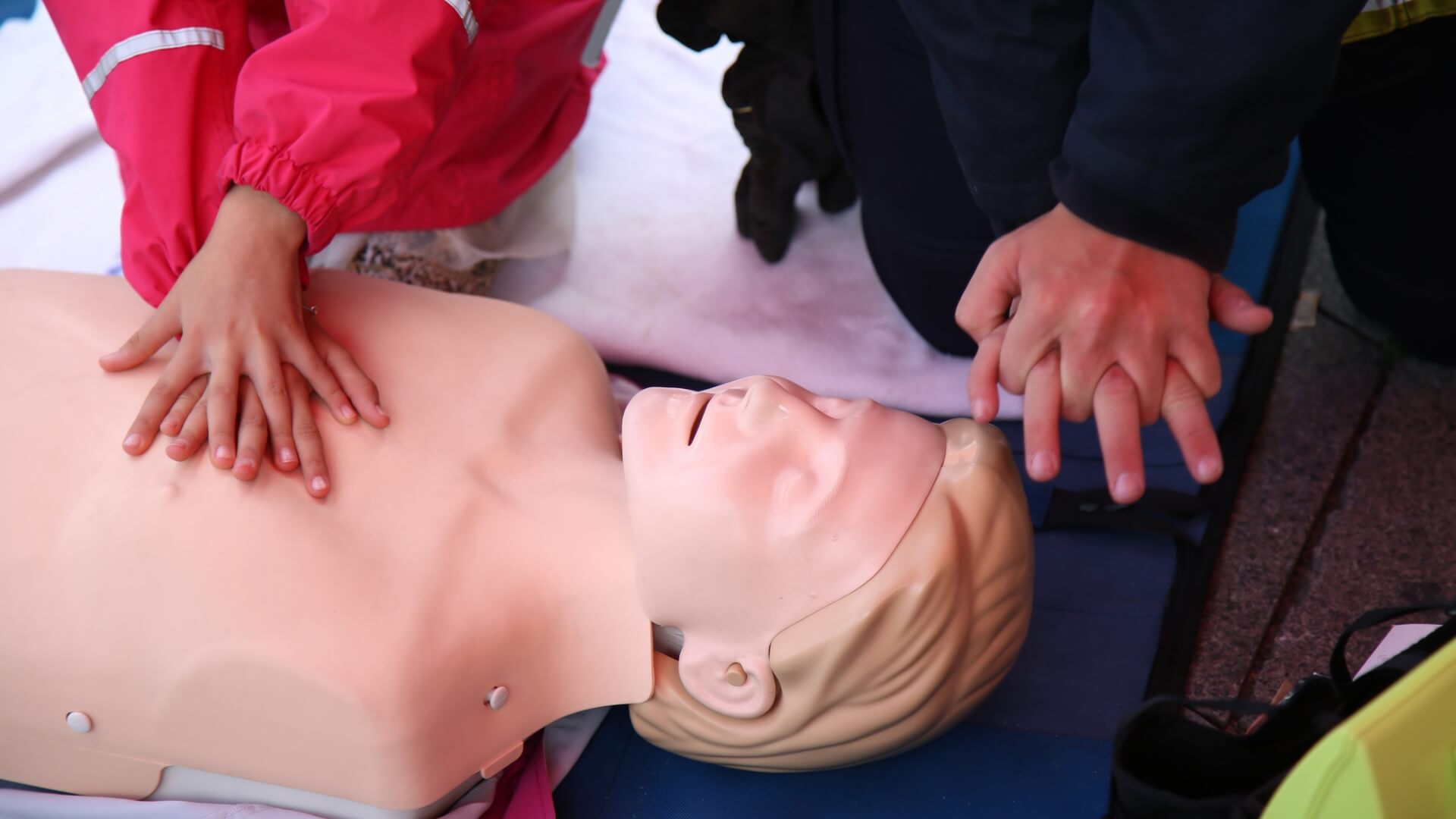
When someone suffers an out-of-hospital cardiac arrest, every second is critical. The key to a better outcome isn’t just doing CPR—it’s maintaining continuous blood flow. This is where the concept of Chest Compression Fraction (CCF) becomes so important. It measures the percentage of time you’re actually performing compressions during a rescue. So, the real question is, how can you achieve a high CCF while performing high-quality CPR? Understanding this metric is the first step to turning a chaotic scene into a coordinated, life-saving effort.
Chest Compression Fraction (CCF) is a key metric. It measures CPR’s effectiveness during a cardiac emergency. It shows the percentage of time spent on chest compressions during resuscitation. Maximizing this fraction is vital for survival. It helps, as compressions keep blood flowing to vital organs when the heart is not beating.
What is the Chest Compression Fraction?
Chest Compression Fraction (CCF) measures CPR’s effectiveness. It does this by finding how much blood the heart pumps with each chest compression. A low CCF means the heart is not pumping well. It often signals heart failure. A high CCF can say that the heart is overexerting itself, which may be a sign of heart disease. An optimal CCF is crucial for blood flow and patient outcomes during resuscitation.
It’s crucial to aim for a Chest Compression Fraction (CCF) of at least 60%. It reduces interruptions during compressions. It improves blood flow to the heart during resuscitation. This target is set by AED software. It tracks pauses in compressions longer than 2 or 3 seconds. This ensures continuous, effective resuscitation.
CCF is measured using various methods, including
- Echocardiography
- Cardiac MRI
- Cardiac CT
Get certified in CPR

Adult & Pediatric First Aid/CPR/AED — Blended Learning
Self-paced Red Cross course you complete online, then meet for a quick in-person skills check. Earns a 2-year certification.

CPR, AED & First Aid Certification
Instructor-led training where your team practices the exact response steps in this article on real manikins and AED trainers.
The Significance of Chest Compression Fraction in Effective CPR
Chest Compression Fraction (CCF) is important. It has a direct impact on CPR’s success. Proper chest compressions are vital. They promote blood flow, especially to the heart and brain, and deliver oxygen to vital organs. A higher CCF boosts the chance of restoring circulation. This is key to improving outcomes in cardiac arrest emergencies.
Track the Chest Compression Fraction in those with heart issues or on heart drugs. Many factors can affect CCF. So, it’s vital to manage it well. This will optimize heart performance and improve patient outcomes.
- Heart’s size
- Heart muscle’s strength
- Blood Pressure
- Amount of blood in the heart
- Medications
- Heart rate
What is the ideal chest compression fraction range during CPR?
The ideal chest compression fraction during CPR is between 60% and 80%. Compressions should occur for 60% to 80% of the resuscitation time to be most effective. Below this range, CPR is less effective. It reduces the chance of success.
Research shows higher Chest Compression Fractions (CCFs) improve cardiac arrest outcomes. So, it’s essential to aim for this target. Minimizing pauses during compressions is also important. Interruptions reduce CPR effectiveness.
AHA Recommendations vs. Real-World Performance
Chest Compression Fraction is crucial in resuscitation. It measures the time spent on chest compressions during CPR. We calculate it by comparing the time spent on compressions to the total CPR time. A higher CCF means more effective compressions. They are vital for circulating oxygenated blood and improving survival chances. Following CPR protocols ensures an optimal CCF. This increases the chance of successful resuscitation.
What is a CPR cycle?
A CPR cycle is a series of actions. They keep blood flowing and deliver oxygen to vital organs. These include the brain and heart, especially during cardiac arrest. This process includes chest compressions, managing the airway, and providing rescue breaths. Continue repeating these steps until either help arrives or the person’s heart restores.
Manual vs mechanical chest compressions in CPR and the difference in compression fraction
Chest Compression Fraction (CCF) is a key measure of CPR quality. CCF shows a significant difference between manual and mechanical chest compressions in resuscitation. This shows that each method has varying consistency and effectiveness.
- Manual chest compressions often have a lower CCF than mechanical ones. This is due to fatigue and inconsistent depth or rate during compressions.
- Manual chest compressions often have shorter pauses between compressions. This leads to a lower chest compression fraction (CCF).
- Mechanical chest compressions usually have higher chest compression fractions (CCFs). They are consistent in depth and rate, but have longer pauses between compressions.
How is the Chest Compression Fraction calculated, and what is the optimal range?
Chest Compression Fraction (CCF) is the ratio of chest compression time to total CPR time. Total CPR time includes pauses for breaths and other actions. If rescuers perform compressions for 4 minutes during a 10-minute CPR session, the CCF is 40%. The ideal CCF is around 80%, meaning compressions should occur for 80% of the total CPR duration.
How can we improve the Chest Compression Fraction?
Strategies for optimizing Chest Compression Fraction (CCF) to enhance CPR effectiveness include:
Focus on high-quality chest compressions.
Compress the chest with enough force to reach a depth of at least 2 inches (5 centimeters) in adults. Maintain a steady rate of 100 to 120 compressions per minute. Focus on ensuring each compression is both complete and effective.
Cut Interruptions
Cut pauses between compressions. Coordinate role changes and manage the airway and ventilation tasks. Do this efficiently. Strong teamwork is key to reducing interruptions and maintaining continuous chest compressions.
Keep Pulse Checks Under 10 Seconds
Every second counts during CPR. To keep blood flowing, limit pulse checks to no more than 10 seconds. Any pause in compressions stops circulation to the brain and heart. If you’re uncertain whether you feel a pulse, don’t hesitate—resume compressions immediately. The priority is to maintain a high Chest Compression Fraction, and minimizing these interruptions is a critical step toward giving the person the best possible chance of survival. This focus on continuous, high-quality CPR is what makes the difference.
Perform Rescuer Swaps in 5-10 Seconds
Performing effective chest compressions is physically demanding, and rescuer fatigue can quickly lead to poor quality. To prevent this, teams should swap the person doing compressions every two minutes. This transition needs to be seamless, taking less than 10 seconds. The best time to switch is during a planned pause, like when an AED is analyzing the heart’s rhythm. Efficient teamwork ensures that compressions remain deep and fast, keeping the CCF high and making the entire resuscitation effort more effective. This is a key skill covered in Basic Life Support (BLS) training.
Integrate AED Use Seamlessly
An Automated External Defibrillator (AED) is a game-changer in a cardiac arrest event, but it shouldn’t create long delays. To integrate it smoothly, the team should prepare the AED while compressions are still in progress. A great technique is to start charging the device during the final 30 seconds of a compression cycle. This way, the shock can be delivered the moment compressions pause, and they can be resumed immediately after. This strategy minimizes “hands-off” time, which is essential for maintaining a high CCF and is a core component of proper AED and CPR training.
Help with efficient team coordination.
Improve team communication and coordination to avoid delays during CPR. Effective teamwork is key to a high chest compression fraction (CCF).
Adopt the “Pit Crew Model”
Think of a high-performance resuscitation team like a NASCAR pit crew. Everyone has a specific job, and they execute it without hesitation. To improve your CCF, assign clear roles before an emergency ever happens. One person is dedicated to compressions, another manages the airway, and a third operates the AED. A designated team leader can oversee the process and call out instructions. This structure eliminates confusion and minimizes the time spent figuring out who should do what. This level of coordination is a core focus of professional team training, where groups can practice their roles and build the muscle memory needed for a seamless response.
Avoid Monitor Distractions
It’s tempting to stare at the AED monitor, waiting for a shockable rhythm to appear. But remember, your hands save lives, not the screen. Every second your hands are off the chest, blood flow to the brain and heart stops completely. The AED is designed to analyze the heart’s rhythm and will provide clear, audible instructions when it’s time to pause. Until you hear that prompt, your entire focus should be on delivering deep, fast compressions. Trust your AED device to do its job of monitoring, while you concentrate on yours—manually circulating blood.
Switch Rescuers Every Two Minutes to Combat Fatigue
High-quality CPR is exhausting. Even the fittest rescuer will experience a significant drop in compression quality after just two minutes, often without realizing it. To combat this, make it a rule to switch the person doing compressions every two minutes, or after five cycles of 30:2. This isn’t a sign of weakness; it’s a crucial strategy for maintaining life-saving pressure and depth. The key is to make the swap fast—ideally in less than five seconds. The next rescuer should be in position and ready to take over immediately, ensuring the pause in compressions is as short as possible. This is a skill that teams perfect during hands-on BLS certification courses.
Swift Airway Management
Secure the airway promptly, especially with advanced devices. This will allow for uninterrupted chest compressions.
Perform “Hands-Only CPR” only on adults.
For adult victims, use “Hands-Only CPR.” It focuses on chest compressions without frequent breaths. This helps to keep a high chest compression fraction (CCF).
Use Automated CPR Devices
Mechanical chest compression devices deliver consistent, uninterrupted compressions. Using them when appropriate can boost CCF and CPR effectiveness.
Understanding Devices like LUCAS and AutoPulse
Devices like the LUCAS and AutoPulse are automated CPR systems that take over the physically demanding task of chest compressions. Their main advantage is consistency. They deliver compressions at a precise rate and depth, which eliminates the rescuer fatigue and human error that can lower the quality of manual CPR over time. This mechanical precision is key to maintaining a high Chest Compression Fraction, especially during prolonged emergencies or when a patient needs to be moved. While often used by professional responders, understanding how this technology supports resuscitation efforts highlights the importance of continuous, high-quality compressions in any emergency response.
Regular Training and Practice
You must train and practice CPR on a consistent basis. It is key to improving your skills. Continuous training ensures you can perform high-quality, uninterrupted chest compressions in emergencies.
The Role of Certified Training Programs
Knowing the steps of CPR is one thing, but performing them correctly under pressure is another challenge entirely. This is where certified training programs become essential. These courses move beyond theory and provide the hands-on practice needed to build muscle memory for high-quality compressions—achieving the right depth and a consistent rate of 100 to 120 per minute. Consistent training ensures you can deliver effective, uninterrupted compressions without hesitation. It’s not just about earning a certification card; it’s about developing the confidence and competence to act decisively and correctly in a real emergency, which can make all the difference in a victim’s outcome.
Furthermore, effective CPR is often a team effort. Certified courses simulate real-world emergencies, teaching rescuers how to communicate and coordinate to minimize pauses and maintain a high CCF. This is especially critical for workplaces, schools, and healthcare facilities where a coordinated response is necessary. Through guided practice, teams learn how to perform seamless rescuer swaps and manage tasks like airway support without interrupting chest compressions. Professional onsite group training is specifically designed to build this kind of teamwork, ensuring everyone understands their role and can work together to improve the chances of a successful resuscitation.
Use real-time feedback devices.
Use feedback devices to get instant guidance on compression. This allows real-time adjustments to depth and rate. These tools improve your CPR and help maintain a high chest compression fraction (CCF).
Using a Metronome for Correct Pacing
Maintaining the correct pace for chest compressions—between 100 and 120 per minute—is one of the hardest parts of CPR, especially when adrenaline is high. It’s easy to go too fast or slow down as you get tired. A metronome is a simple and effective tool that takes the guesswork out of pacing. By providing a steady, audible beat, it helps you stay within the recommended range, ensuring each compression contributes effectively to circulating blood. This consistent rhythm is essential for achieving a high Chest Compression Fraction. Many modern AEDs include a built-in metronome, and practicing with one during certified training helps build the muscle memory needed to perform high-quality CPR in a real emergency.
What are the advantages of the chest compression fraction?
CCF during CPR is vital. It increases survival rates in cardiac arrest cases. Effective chest compressions maintain blood flow. They ensure oxygen reaches vital organs, like the brain and heart. This flow boosts the chances of restoring the heart’s rhythm. It also lowers the risk of brain damage. This leads to better outcomes.
Research shows a strong link. High-quality CPR saves more lives in cardiac arrests. A high chest compression fraction (CCF) is key to this. Continuous chest compressions during CPR significantly enhance survival and recovery rates.
How is the chest compression fraction measured?
Chest Compression Fraction is the time spent on compressions. Divide it by the total time of cardiac arrest. To improve resuscitation outcomes, responders should cut pauses for ventilation. Many high-performing emergency systems aim for at least 60%, with 80% often being the goal.
Devices like CPR feedback tools and AEDs use data to measure the Chest Compression Fraction. These devices track and give real-time feedback on compressions. They help providers optimize CCF during resuscitation.
In adult and child cardiac arrest, keep chest compressions at 60% or higher during CPR. Rescuers should pause compressions for up to 10 seconds to give two rescue breaths.
Researchers averaged chest compression fraction values across all minute intervals for each patient. Trained research staff at each site reviewed the automated CCF calculations. Then, they recorded the data.
What are the guidelines for chest compression fraction?
The American Heart Association’s CPR guidelines recommend chest compressions at 100-120 per minute. They should have a Chest Compression Fraction of 80% or higher. For adults, compressions should be 2-2.4 inches deep. For infants and children, they should reach at least one-third of the chest’s depth.
High-quality CPR performance metrics include:
- Chest compression fraction >80%
- Compression rate of 100-120/min
- Compression depth of at least 2-2.4 inches in adults and at least 1/3 the AP dimension of the chest in children and infants
- Avoid excessive ventilation
What factors influence chest compression fraction?
Many factors can influence Chest Compression Fraction (CCF). They include the CPR provider’s skill and strength, the patient’s size, and any medical conditions. Larger patients, or those with obesity or heart disease, are harder to compress. This reduces CCF. Inadequate training or a lack of experience in CPR techniques can also result in a lower CCF.

RECOMMENDED AED PACKAGE
ZOLL AED 3 Value Package
A complete, ready-to-use AED package — the ZOLL AED 3 with adult pads, battery, wall cabinet and signage.
How do interruptions in chest compressions cause negative effects?
Interruptions in chest compressions reduce CPR effectiveness. They limit blood flow to the heart. Without continuous compressions, the heart can’t pump oxygenated blood. It lowers survival rates and raises complications in cardiac arrest patients.
The Impact of Pauses on Blood Pressure
Think of chest compressions as a manual pump for the body’s circulatory system. With each push, you generate the blood pressure needed to move oxygen-rich blood to the brain and heart. When you stop, however, that pressure drops dramatically and almost immediately. It then takes several more compressions just to build that pressure back up to a level that effectively perfuses the vital organs. This is why even brief interruptions for rescue breaths or rescuer swaps are so critical to minimize. Any pause can reduce CPR effectiveness, as every second without adequate pressure lowers the chance of survival and can have lasting neurological consequences.
What are the potential outcomes of a low chest compression fraction during CPR?
A low chest compression fraction (CCF) during CPR can be life-threatening. It reduces oxygen delivery to the brain and heart. It also decreases the likelihood of successful defibrillation. A CCF below 50% is dangerously low. It raises the risk of death or permanent brain damage.
As high chest compression fraction is vital in CPR, being ready to act quickly in a fire is key to staying safe. A Fire Extinguisher Live Fire training session offers practical, real-life experience. Participants learn to use fire extinguishers effectively. It shows you how to respond quickly, manage small fires safely, and save lives before help arrives.
What is a chest compression feedback device, and what does it track?
A chest compression feedback device is a vital CPR tool. It monitors key parameters to improve chest compression effectiveness. It measures a specific aspect:
- Compression Depth: The depth of chest compression during each cycle.
- Compression Rate: The rate of compressions, typically targeting 100 to 120 per minute.
- Chest Recoil: Ensure the chest fully recoils after each compression.
- Compression Fraction: Chest Compression Fraction (CCF) is the % of time spent on compressions during CPR.
- The device detects: interruptions in the compression cycle. They can reduce CPR’s effectiveness.
What factors influence chest compression fraction during resuscitation efforts?
Several factors impact Chest Compression Fraction (CCF) during resuscitation. CCF is the percentage of time that rescuers compress the chest during CPR. It directly affects CPR’s effectiveness. Key elements that affect CCF during resuscitation include:
- Provider Fatigue: Chest compressions are demanding. Fatigue can lower their quality and increase pauses. To keep strong compressions and reduce interruptions, providers rotate more as they tire.
- Provider Experience and Training: Providers who are well-trained and experienced are more likely to do effective chest compressions with fewer interruptions. Regular training and certification help ensure they use proper techniques. They must also maintain a high chest compression fraction (CCF).
- Team Coordination: In healthcare settings, CPR is typically performed by a team. Clear communication, defined roles, and strong coordination are vital. They ensure smooth task transitions. This minimizes interruptions and maximizes the chest compression fraction (CCF).
- Airway Management: Proper airway management, including advanced devices, helps cut interruptions during CPR. Providers skilled in these techniques can secure the airway with speed. This allows for continuous chest compressions without stopping for ventilation.
- Patient Factors: The patient’s condition and anatomy can affect CCF. Some medical conditions or traits may make compressions less effective. This can cause fluctuations in CCF.
What are the contraindications for chest compression fractions?
A DNR order is a contraindication for chest compression fraction. It prevents the use of chest compressions. DNR orders are set by the attending physician. They must consider the patient’s wishes and the chances of success with treatment.
Guidelines say healthcare providers need not treat if it’s futile. If chest compressions won’t save the patient, document a DNR order.
If a patient’s DNR status is unclear, start chest compressions. Few criteria can reliably predict their futility. They can be stopped once a valid DNR order is confirmed.
A contraindication exists when patients with implantable left ventricular assist devices, total artificial hearts, or biventricular assist devices have a cardiac arrest from device failure. In these situations, resuscitation should involve a backup pump instead of chest compressions.
How does chest compression fraction differ in pediatric CPR cases?
In pediatric CPR, guidelines adjust for a child’s age and size. So, chest compression fraction differs. These variations reflect the unique needs of pediatric patients during resuscitation.
- Compression Depth and Rate: In infants, compressions should be 1.5 inches (4 cm) deep. For children, the depth is about 2 inches (5 cm). The compression rate is the same as for adults, between 100 and 120 compressions per minute.
- Two-Rescuer CPR: In infants, two rescuers are often used. One manages the airway and gives ventilations. The other does chest compressions. These must be high quality.
- Proper Hand Placement: In infants, use two fingers below the nipple for compressions. In children, use the heel of one or both hands in the center of the chest, below the nipple line.
- Special Considerations: Pediatric cardiac arrest often has different causes, requiring an adapted approach. Smaller equipment, such as defibrillator pads, is also necessary for effective treatment.
What are the complications associated with chest compression fraction?
Life-threatening complications from CCF are rare, occurring in less than 1% of cases. After ROSC, hypotension may show cardiogenic shock or chest injuries. Compression-related chest injuries typically include rib and sternal fractures. They may also involve some rare complications, such as:
- Lung contusion
- Lung hemorrhage
- Pneumothorax
- Haemothorax
- Retrosternal hematoma
- Mediastinal hematoma
Rib fractures are the most common complication of chest compressions. They occur in about one-third of autopsy cases. Yet, only 2% of non-arrest patients who received bystander CPR reported rib fractures.
Faqs
How can you achieve a high chest compression fraction?
To achieve a high chest compression fraction, focus on minimizing interruptions during CPR. Make pauses as short as possible. This ensures continuous chest compressions, especially when switching rescuers or giving breaths.
Why is a high chest compression fraction important?
A high chest compression fraction is critical. It maximizes the time the heart and brain get oxygenated blood during CPR. It significantly improves the survival chances for cardiac arrest patients.
What is the recommended chest compression fraction during CPR?
During CPR, the chest compression fraction should be at least 60% to 80%. Most of the resuscitation time should be for compressions to maintain good circulation.
What factors can reduce chest compression fraction?
Interruptions in chest compressions, like long pauses for ventilation or switching rescuers, can reduce the compression time. Proper training and team coordination are key to maintaining a high compression fraction.
How can improving chest compression fraction enhance CPR outcomes?
High chest compression fraction boosts the chances of restoring circulation and survival. Maintaining continuous compressions helps sustain blood flow to vital organs during CPR.
What techniques help maintain a high chest compression fraction during CPR?
Techniques like two-rescuer CPR, advanced airway management, and feedback devices can help. They can keep a high chest compression fraction by minimizing interruptions. They must also ensure effective compressions.
Conclusion
In conclusion, a high chest compression fraction is vital for CPR. It improves patient outcomes in cardiac arrest. Rescuers can improve survival rates by doing continuous compressions with few breaks. This boosts blood flow to vital organs. To get the best results in CPR, use these strategies. Proper training, teamwork, and feedback devices are essential. The chest compression fraction must be at least 60-80%. Focusing on these key aspects will boost resuscitation efforts.
Sources:
- American Heart Association (AHA)
- International Liaison Committee on Resuscitation (ILCOR)
- PubMed Research: Chest Compression Fraction and Factors influencing it
- PubMed Research: Chest compression fraction calculation
Understanding Common Injuries like Rib Fractures
Let’s address a common fear that holds people back from performing CPR: the risk of breaking ribs. It’s a valid concern, and the truth is, injuries like rib or sternal fractures can happen. They are the most common complication of chest compressions, simply because saving a life requires applying significant force to manually circulate blood. However, it’s essential to see the bigger picture. Life-threatening complications from chest compressions are incredibly rare, occurring in less than 1% of cases. A broken rib is a treatable injury; a heart that has stopped beating is not. The priority is always to keep blood flowing to the brain and vital organs. Proper CPR techniques, which you learn in a certified course, teach correct hand placement and force to maximize effectiveness while minimizing injury. Never let the fear of causing a fracture stop you from acting—your intervention is that person’s best chance at survival.
Key Takeaways
- Minimize Pauses to Maximize Blood Flow: Your main goal is to keep chest compressions going with the fewest interruptions possible. Every second your hands are off the chest, critical blood flow to the brain and heart stops completely.
- Strive for an 80% Compression Target: High-quality CPR means performing compressions for at least 80% of the total rescue time. This benchmark is directly linked to better survival rates, so focus on making every pause for breaths or AED use quick and efficient.
- Swap Rescuers Every Two Minutes to Fight Fatigue: Effective compressions are physically exhausting, and quality can decline in as little as two minutes. The best strategy to maintain deep, fast compressions is to switch rescuers regularly in a seamless, well-coordinated transition.

Not sure which AED or training fits your needs?
A CPR1 product expert walks you through it — no obligation.
Talk to a CPR/AED Expert →Related Articles
- Maximize Chest Compression Fraction: Essential Tips for Effective CPR
- How to Achieve a High CCF in High-Quality CPR
- CPR Compression Rate for Adults, Kids & Infants
Ready to Learn CPR and Save Lives?
Get certified in CPR, First Aid, and AED use with our accredited courses. Online and in-person options available for individuals, families, and businesses.
Browse CPR Training Courses →


