




CPR, or Cardiopulmonary Resuscitation, is a critical procedure. It keeps blood and oxygen flowing to the brain and vital organs during heart emergencies. It can save lives, but it raises questions. These include possible side effects and complications. Survivors of cardiopulmonary emergencies may face challenges that impact their long-term health. This discussion explores CPR’s common outcomes. It offers insights into the procedure’s complexities and role in preserving life.
What are the main complications of CPR?
The most common side effects of CPR can vary in or out of a hospital. They depend on the circumstances and techniques used.
- Aspiration & Vomiting:CPR chest compressions can sometimes cause vomiting. This is due to rescues breaths that are too long (less than a second) too hard or too fast.
- Broken Ribs:CPR chest compressions can crack or fracture ribs. This is common in the elderly or those with weak bones.
- Internal Brain Injuries:CPR aims to keep oxygen flowing to the brain during Cardiac Arrest. However, poor compression depth, compression rate or delays in starting compressions can slow down blood flow.
- Abdominal Distension:CPR’s breaths could lead to abdominal swelling or distension. This is due to rescues breaths that are too long (less than a second) too hard or too fast.
- Aspiration Pneumonia:Aspiration pneumonia, a serious complication, can occur when vomit or other bodily is inhaled during cardiac arrest and possibly CPR.
1. Aspiration and Vomiting
Vomiting is a common risk of CPR. It can harm a cardiac arrest victim. They are unconscious and cannot clear the vomit. If someone does not remove it on time, they may inhale it into the lungs. It can block the airway and cause severe infections, worsening their condition. This is due to rescues breaths that are too long (less than a second) too hard or too fast and the air goes into the stomach instead of the lungs.
Aspiration pneumonia can occur when stomach contents enter the lungs. This creates a high risk of infection. Stomach bacteria can cause a severe lung infection. This worsens the person’s critical condition. It shows that quick, effective airway management during CPR is vital. It can reduce complications and aid recovery. At any point vomit is found in the mouth or during CPR, stop and roll the person on the side to try to clear the airway.
2. Broken Ribs and Skeletal Chest Injuries
Rib fractures often occur during CPR. The pressure needed for effective chest compressions can cause them. Older adults with fragile bones are particularly susceptible. These fractures can be painful. Yet, they are acceptable for preserving vital circulation during cardiac arrest. Sternal fractures may occur, but they are uncommon. This underscores the need for proper training and technique in CPR.
Though rare, CPR can damage internal organs or blood vessels. This highlights the need for a precise technique. The main goal of CPR is to restore circulation and oxygen. This significantly enhances the victim’s chances of survival. The urgency of the situation often outweighs the risk of potential complications.
3. Internal Brain Injuries
CPR plays a vital role in sustaining blood circulation during Cardiac Arrest. This raises the risk of damage, especially if the heart stays stopped for too long. Brain damage can start 4 to 6 minutes after cardiac arrest. This may cause lasting health issues. Poor compression depth, compression rate or delays in starting compressions can slow down blood flow.
4. Abdominal Distension
A common side effect of CPR is abdominal distension. It’s caused by air pushed into the lungs during chest compressions. This leads to bloating. This swelling can compress the lungs. It makes ventilation harder and increases the risk of vomiting, complicating resuscitation. As mentioned above, this is due to rescues breaths that are too long (less than a second) too hard or too fast and the air goes into the stomach instead of the lungs.
Responders must manage these challenges to ensure good ventilation. They must also cut complications.
5. Aspiration pneumonia
Aspiration pneumonia is a serious complication of CPR. Vomiting or inhaling foreign objects, like teeth, can cause it to occur in the lungs. This condition can hinder a cardiac arrest patient’s recovery. In severe cases, it may have life-threatening effects despite successful resuscitation.
Surviving CPR does not guarantee good health or quality of life. It often leaves physical and psychological effects. A near-death experience can cause emotional harm. It may lead to stress, anxiety, and depression. This shows the need for care after CPR. It must support both physical and emotional recovery.
How does CPR work?
Cardiopulmonary Resuscitation (CPR) uses chest compressions to pump oxygenated blood. It takes over for the heart during a cardiac arrest. CPR uses rescue breaths to oxygenate the lungs. It helps prevent vital organs, especially the brain, from losing oxygen. This reduces the risk of severe damage.
CPR is vital during cardiac arrest, often caused by a heart attack. Yet, we need to understand the distinction between these two conditions:
- Heart Attack:A heart attack, or myocardial infarction, occurs when blood flow to the heart is blocked. This causes chest pain and shortness of breath. The heart will still beat but it may not circulate blood effectively. So, seek immediate medical help instead of doing CPR. Eventually if not corrected, the poor blood flow to the heart muscle will cause it to fail cause cardiac arrest.
- Cardiac Arrest: Cardiac arrest happens when the heart stops beating. The person then loses consciousness and stops breathing. In such cases, CPR is critical. It keeps blood flowing and improves survival chances until help arrives.
Does CPR always work in emergencies?
CPR by itself is not very successful. Used in conjunction with an AED the survival rates increase significantly. CPR should always be tried, even if with its low chance of survival doing, Its still better than not doing anything at all.
Get certified in CPR

Adult & Pediatric First Aid/CPR/AED — Blended Learning
Self-paced Red Cross course you complete online, then meet for a quick in-person skills check. Earns a 2-year certification.

CPR, AED & First Aid Certification
Instructor-led training where your team practices the exact response steps in this article on real manikins and AED trainers.
What happens if CPR is ineffective?
Inadequate CPR may fail to supply enough oxygen to the brain and vital organs and thus defeat the purpose of trying to keep the persons vital organs alive while waiting for an AED or Advanced Medical care to arrive.
What are the primary contraindications for CPR?
In some situations, CPR is not recommended or appropriate due to specific contraindications:
- Do not perform CPR in cases of obvious death, such as advanced decomposition or rigor mortis. It is ineffective.
- A Do-Not-Resuscitate (DNR) order is a legal document. It states a person’s wish to decline CPR in case of cardiac arrest. Providers must honor the person’s decision in these cases and not perform CPR. You should have receive additional training on how to read these documents from an employer to enforce a DNR.
- Rigor mortis, the stiffening of muscles after death, means CPR will be useless. You should not perform it.
- When there are clear signs of irreversible death, CPR is usually not performed. These signs include dependent lividity, rigor mortis, or decapitation. CPR is ineffective.
- For those in hospice or palliative care, CPR is not performed. Their wishes and care plan focus on comfort, not prolonging life. Typically, the person will have DNR Order in place as well.
- Bleeding that can’t be controlled during compressions
CPR is unnecessary and may harm a patient with a pulse and breathing. It is only for those in cardiac or respiratory arrest.
What is HIBI?
Hypoxic–ischemic brain injury (HIBI) is a top cause of death in comatose patients after cardiac arrest. Many die when doctors stop life-sustaining treatment due to a poor neurological outlook. This prognosis often indicates death or severe disability. It is based on the extent of HIBI.
Do cardiac arrest survivors get back to normal after CPR?
Most out-of-hospital cardiac arrest victims do not survive. This is especially true for those with complex medical conditions. Survivors frequently experience critical illness. They need more care in intensive or coronary units. After discharge, many struggle with cognitive issues, limited mobility, and depression. They also engage in fewer social interactions.
Some patients survive CPR. But, many do not regain their health. They often need extensive rehab. Some therapies can improve outcomes, but they may cause coma or brain damage.
Cardiac Arrest Statistics
The American Heart Association’s data show that 88% of cardiac arrests happen at home. They occur outside hospitals. They often occur without medical help. They show the need for widespread CPR training. They give people key skills and knowledge about the procedure and its risks.
A rescuer should continue CPR until the victim regains spontaneous circulation (ROSC). CPR-trained bystanders can triple a victim’s survival chances in an out-of-hospital cardiac emergency. Yet, only about 32% of such victims receive CPR from nonprofessionals.
Less than 8% of out-of-hospital cardiac arrest victims survive after receiving CPR. In hospitals, about 15% of patients survive resuscitation and go home. The National Institutes of Health says this rate has held for 30 years.
A 15% survival rate is significant, but what occurs during CPR? Cardiopulmonary resuscitation is a rigorous medical procedure that can cause various side effects. Mechanical chest compression devices match the effectiveness of good manual compressions. They reduce errors and fatigue.
- Rib fractures are more common in the elderly. Their bones are fragile.
- Cardiac arrest survivors often face challenges after hospital discharge. They may have cognitive decline, limited mobility, depression, and lower social engagement.
- Neurological health plays a crucial role in determining functional recovery.
- Post-cardiac arrest care is an essential part of advanced life support.
- Many HIBI deaths occur when doctors stop treatment due to a poor prognosis.
- Researchers have shown that specific therapies are linked to better patient outcomes.
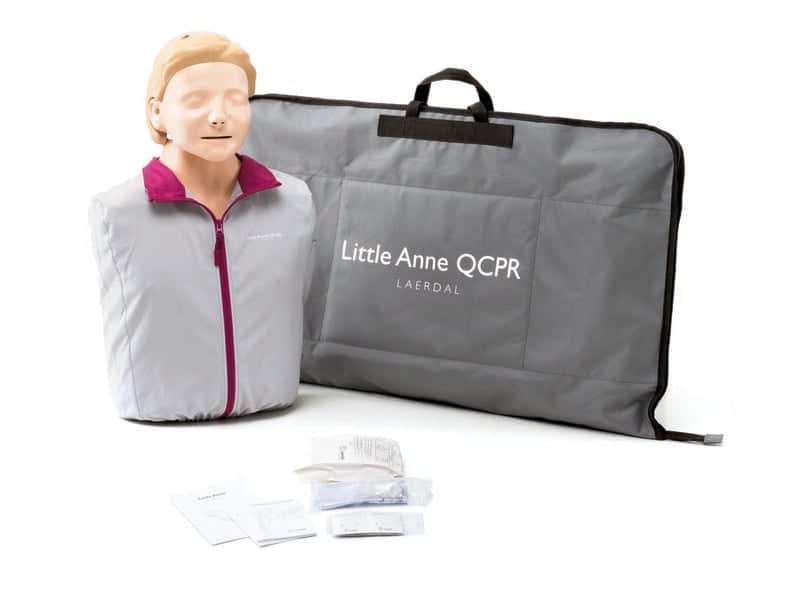
RECOMMENDED FOR PRACTICE
Little Anne QCPR Training Manikin
Laerdal’s trusted CPR training manikin with real-time QCPR feedback — practice compressions and breaths with confidence.
How does CPR help during a cardiac arrest?
CPR supports the body during cardiac arrest. It keeps blood flowing to vital organs like the brain and heart. Chest compressions create artificial circulation. They supply oxygenated blood and reduce the risk of brain damage. This becomes vital when the heart cannot pump effectively. This intervention buys time. It waits for advanced help or an AED to restore normal heart function.
How long does the brain stay alive after the heart stops?
The brain can survive without oxygen for about 4 to 6 minutes after cardiac arrest. CPR within six minutes helps preserve brain function. After that, brain damage begins.
What is the survival rate after CPR?
Studies on CPR outcomes show that 15% of cardiac arrest patients survive after being discharged from the hospital. The rates range from 3% to 27%. This survival rate has remained consistent over the past three decades.
How long do sternum fractures take to heal?
Sternal fractures usually heal without splinting or treatment. But, full recovery often takes 8 to 12 weeks.
How long do you do CPR before calling the time of death?
Healthcare professionals decide when to stop CPR. They consider the cause of cardiac arrest and the patient’s response to treatment. CPR has no strict time limit. Efforts may continue if there is a chance to reverse the condition. Yet, doctors stop resuscitation if the cause is irreversible. The medical team bases this on the patient’s condition and the chance of success. Prompt initiation of CPR is critical, with decisions guided by established medical protocols.
How do you avoid complications while performing CPR?
It’s vital to get proper training from a source like CPR Select. This will prevent complications during CPR. Before starting, assess the scene for safety risks to protect yourself. Follow correct techniques, ensuring appropriate compression depth and rate as taught. Cut pauses in compressions to keep blood flowing. Use an AED if available, and follow its instructions.
Is there a risk of legal issues after performing CPR?
CPR has some legal risks. But Good Samaritan laws protect most emergency helpers. These laws, which vary by location, aim to encourage bystanders to act. They want to remove the fear of legal consequences. To reduce legal liability, follow your training. Stay within your limits.
Can CPR cause internal bleeding?
While CPR can cause internal injuries, such as bleeding, these cases are rare. The risk increases with poor CPR or pre-existing health issues. Proper training and following current CPR guidelines can significantly reduce this risk.
How often do CPR complications occur?
CPR complications are uncommon, mainly when administered by trained individuals following proper guidelines. Yet, untrained responders or incorrect CPR increase the risk. CPR can have complications. But its life-saving benefits far outweigh the risks.
What are the risks associated with CPR?
Movies often show CPR as a quick, successful fix. In reality, the outcomes can be more complex. The brain may not get enough blood if the heart isn’t pumping well. This could cause damage, even if CPR restarts the heart. Additionally, severe coronary artery disease can cause abnormal heart rhythms, like ventricular fibrillation. In public, CPR with an AED offers the best.
CPR’s success and a survivor’s recovery depend on the cause of the arrest and their health at that time. Some may fully recover. Others may remain critically ill and need more treatment. So, post-cardiac arrest care is essential in advanced life support. Unfortunately, some patients may never return to their pre-arrest health. Also, CPR is less likely to work for those with chronic or terminal conditions.
CPR is often misrepresented in the media. Similarly, fire emergencies are shown as easy to manage. Using a fire extinguisher needs training and confidence, especially in emergencies. A Fire Extinguisher Live Fire course gives you hands-on practice with extinguishers. You’ll learn to use them safely in real fire situations. This training teaches people to respond fast and correctly. It’s like CPR and AED training for heart issues. That’s why it’s a key part of any emergency plan.

Not sure which AED or training fits your needs?
A CPR1 product expert walks you through it — no obligation.
Talk to a CPR/AED Expert →FAQs
Is CPR risky?
While CPR is generally a life-saving procedure, it does carry some risks. CPR complications are rare when performed correctly. Yet, improper technique or untrained responders can cause injuries. Common hazards include complications from chest compressions. They can cause broken ribs, damaged organs, and gastric distention.
What complications do chest compressions during CPR cause?
Chest compressions are essential in CPR but can lead to complications. Some of the risks include fractured ribs, sternum fractures, and internal organ damage. These complications are prevalent in older adults or those with brittle bones. CPR can cause injuries. But its benefits far outweigh the risks. It saves lives.
What are the complications of CPR?
Although CPR is a critical life-saving procedure, complications can occur. These include rib fractures, lung injuries, and abdominal distension. CPR can, in some cases, cause gastric distention. This is when air enters the stomach. It can cause discomfort and increase the risk of aspiration. Correctly performing CPR reduces these potential complications.
Does CPR break ribs?
Yes, rib fractures are a common side effect of CPR. This is especially true if chest compressions are too strong or the person has fragile bones. Rib fractures may cause pain and need more care. But they are an acceptable risk to save a life.
If gastric distention begins during CPR, what should you do?
Gastric distention happens when air enters the stomach during CPR. This can complicate the procedure and raise the risk of vomiting or aspiration. If gastric distention occurs, reduce chest compression volume and pressure. Focus on airway management. Correcting the airway and minimizing interruptions in compressions can help manage this complication.
Conclusion
In conclusion, CPR is vital and can save lives. But it has risks, like broken ribs, gastric distention, and internal injuries. Yet the benefits of CPR in saving lives far outweigh these risks. This is true, especially if someone does it perfectly and on time. Proper training is key. This includes minimizing interruptions during compressions and following guidelines. It can significantly reduce the risk of complications. CPR, along with an AED and post-arrest care, can save lives. It offers hope in a cardiac emergency.
Ready to Learn CPR and Save Lives?
Get certified in CPR, First Aid, and AED use with our accredited courses. Online and in-person options available for individuals, families, and businesses.
Browse CPR Training Courses →


