




CPR, or cardiopulmonary resuscitation, is vital for saving lives. It’s accessible to anyone with the right training. CPR courses are at different levels to suit everyone’s needs, from the public to medical pros. This guide explores each CPR training level. It highlights their goals and the need for CPR skills in emergencies. Whether you’re new or a pro, these distinctions matter. They show the value of learning CPR at a level suited to your background.
What are the different levels of CPR training?
Knowing the levels of CPR training is vital for those who want to help in an emergency. About 356,000 cardiac arrests occur each year outside U.S. hospitals. It is not possible to remove the adverb. So, learning CPR can be a life-saving skill. This guide shows where to start. It helps you navigate the levels of CPR training. It aims to empower more people to step in and prevent tragedies.
When someone’s heart or breathing stops, CPR can save their life. You must do it in the correct way. Many believe CPR is only for healthcare professionals. But it’s as crucial for laypersons. This life-saving technique is vital. Bystanders who step in to perform CPR can double or even triple a person’s chances of survival.
CPR is critical. It delivers blood to the brain, heart, and other vital organs. This helps the patient stay stable and breathe until advanced medical help arrives. This immediate action is vital for sustaining life in emergencies.
Different Levels of CPR Training You Can Do
Let’s explore the different levels of CPR training. Prompt CPR can double or triple a person’s chance of survival. Outside of hospitals, immediate CPR occurs in fewer than 10% of cases. Training more people can help change that and save lives.
Top training groups, like the AHA and Red Cross, offer CPR courses. They include basic to professional levels of CPR..
CPR Courses for Schools
The AHA and Red Cross trains schools in CPR. They teach life-saving skills in a variety of formats and audiences. They can teach a non-certification course that covers hands-only CPR, choking relief, and AED use. This course is designed for schools and to meet some state curriculum requirements to teach the basics of CPR to students.
They can also use use their standard CPR/First Aid Certification courses as well to train staff, and volunteers to meet workplace, and employer guidelines and regulations
School staff and volunteers can meet workplace needs by taking an Adult First Aid/CPR/AED course. This certification includes three main skills: responding to cardiac emergencies, using an AED, and giving first aid for common injuries in adults. It helps everyone on campus act confidently and respond well in a crisis.
Workforce CPR Training
The American Heart Association offers “Heartsaver Virtual.” It’s a training kit with an app. It lets employees complete a hands-on skills session online with a certified instructor. This virtual option offers high-quality CPR training. It is a convenient, remote learning experience.
The American Red Cross offers blended learning courses and local providers can also deliver remote cpr training options as well. However most companies chose the blended learning format. They are flexible and tend not to interfere as much with the operations of the company . Employees complete online training and attend in-person skills sessions to reinforce their learning. Upon finishing the course, participants earn a two-year certification.
CPR for Healthcare Providers
Healthcare providers need to stay current with evolving CPR protocols. These courses keep them updated on the latest techniques. This helps them maintain certification and provide the best patient care.
They all include:
- CPR (one- and two-rescuer)
- Choking
- AED
- Primary Assessment
- Ventilations
The Basic Life Support (BLS) course is for medical, healthcare, and emergency responders. It teaches them advanced life support skills for emergencies. This level includes CPR and AED training for healthcare providers. It equips them with essential techniques and knowledge. BLS certification is valid for two years. It ensures responders are ready to act in critical situations.
The AHA created the BLS courses and has been teaching it since its inception.
The Red Cross offers two versions of CPR for Healthcare providers (CPRO).CPR/AED for the Professional Rescuer was the Red Cross’s original CPR certification for healthcare professionals and first responders
However, The Red Cross now also offers BLS as well and is geared toward the Healthcare, Fire, and EMT industry, while CPRO is geared towards lifeguards and Law Enforcement.
Healthcare providers can access CPR training through in-person and blended programs. The blended ones combine online learning with in-class practice.
The Different Levels of CPR Training
CPR levels are also categorized by their audience/industry Each is for a different audience. Most people aren’t trained as medical professionals. These classes teach essential, life-saving skills. They help respond to respiratory and cardiac emergencies in infants, children, and adults.
Workplace and Lay Rescuer
Workplace/Lay Responder provides basic CPR training. It is often required to meet workplace health and safety standards. In a few hours, participants will learn to handle CPR, choking, and heart emergencies in adults and sometimes child and or Infants. This includes using an AED. This training is for lay rescuers. It covers the basics to handle most emergencies at home or work, where medical issues are most likely.

Childcare Workers
Certain states may require additional training for workers of licensed child care centers. Typically these courses are longer, and while it does cover adult CPR it focuses on infants and children. There is usually information about child care rules and regulations that participants most know and follow, while working in a licensed child care.
How to Perform the CPR You Learn from Different Levels of Training
CPR is vital in emergencies. It keeps blood flowing until help arrives. Even untrained people can perform CPR and save a life. But, they must proceed carefully.
To ensure that you are performing CPR correctly, here are a few simple steps:
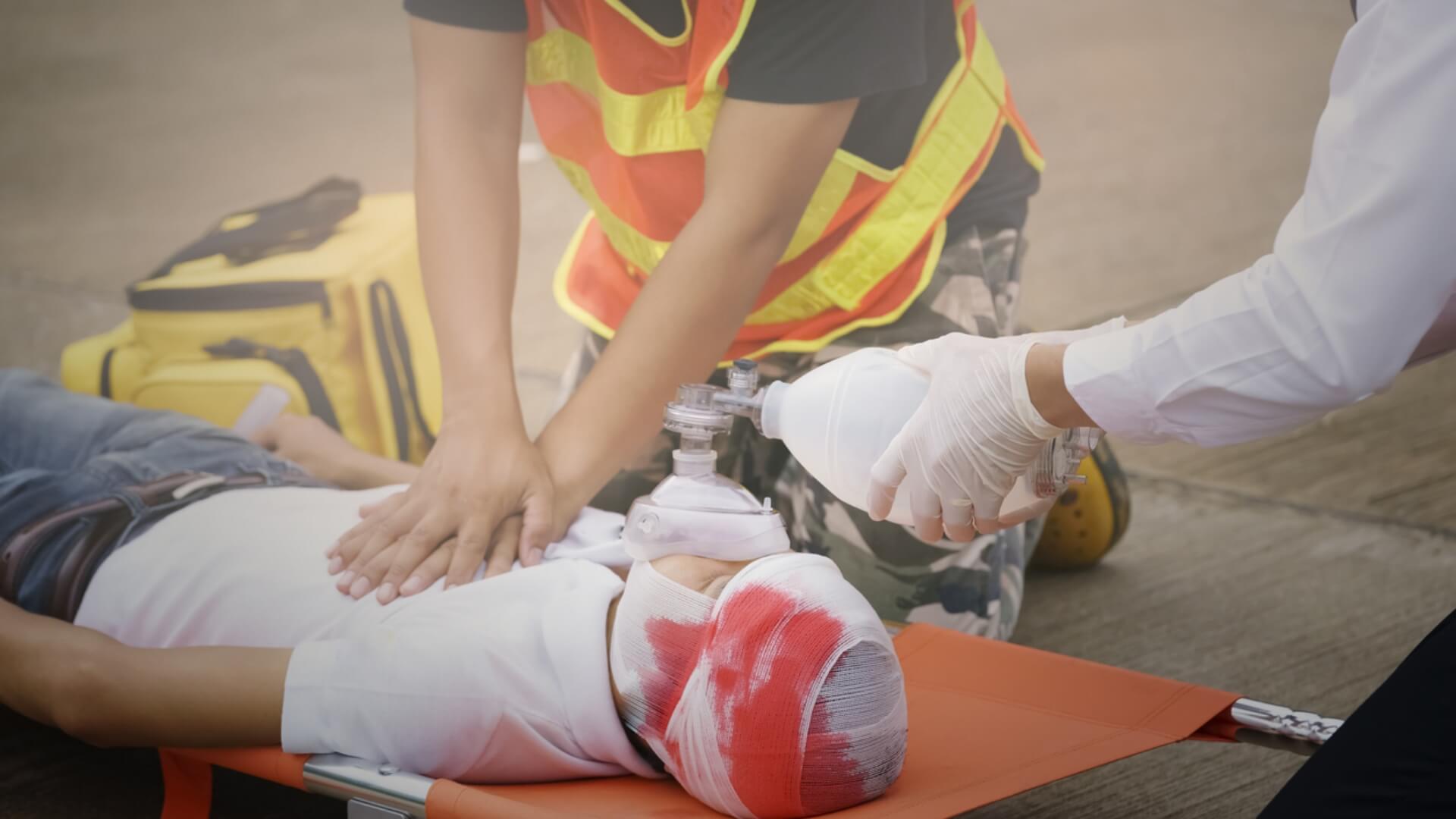
- Place one hand over the other. Press firmly and quickly in the center of the chest, using the heels of your hands. Keep your elbows straight.
- Press down at least 2 inches on the chest. Compress at a rate of 100 to 120 per minute. Allow the chest to rise completely between compressions.
- Perform 30 chest compressions, followed by two rescue breaths.
- Repeat 30 chest compressions and 2 rescue breaths. Do this until the person breathes or help arrives.
Are there different types of CPR certifications?
Yes, there are various CPR certification programs. Each is for a specific audience and setting.
- Advanced Cardiovascular Life Support (ACLS) Certification: ACLS certification is designed for healthcare providers managing cardiac emergencies in advanced care environments like hospitals and EMS. This training goes beyond basic CPR and covers advanced techniques such as recognizing and managing cardiac arrest, handling various cardiac rhythms, advanced airway procedures, and administering medications.
- Pediatric Advanced Life Support (PALS) Certification: PALS certification is for healthcare providers in emergency or critical care. It is for those who work with pediatric patients. This program focuses on CPR and advanced life support for infants and children. It covers recognizing and managing pediatric cardiac arrest, respiratory emergencies, and shock.
- Community CPR Certification: Local organizations, schools, and groups like the Red Cross often offer CPR courses. They are like Heartsaver courses. These courses are for those who want to learn basic CPR skills. They are for personal preparedness and to handle emergencies in the community.
What are the core components taught in a basic CPR course?
Basic CPR courses provide essential life-saving techniques to handle cardiac emergencies with efficiency. Key components of the training include:
- Recognition of cardiac arrest and assessment of the victim’s responsiveness.
- Activation of emergency medical services (EMS) and calling for help.
- Performance of chest compressions to maintain blood circulation.
- Rescue breathing techniques, including mouth-to-mouth ventilation.
- Proper use of an automated external defibrillator (AED) if available.
- Relief of choking in conscious and unconscious individuals.
What is Basic Life Support (BLS) CPR training intended for?
BLS CPR training is for healthcare providers, including doctors, nurses, and paramedics. It also includes EMTs and allied health professionals. It is also recommended for non-healthcare roles. These include lifeguards, fitness instructors, and childcare providers. They may need to handle cardiac emergencies at work.
How long does a standard CPR certification last before renewal is required?
You must renew your standard CPR certification every two years. It includes a refresher course and a test. This ensures that people keep their CPR skills and knowledge up to date.
What are the key differences between PALS and ACLS training?
PALS, or Pediatric Advanced Life Support, trains in life support for kids. It covers pediatric assessment, cardiac arrest, respiratory emergencies, and shock. In contrast, ACLS, or Advanced Cardiovascular Life Support, is for adults. It covers advanced treatments for cardiac emergencies. This includes airway management, cardiac rhythm treatment, and medication use.
Faqs
What is included in a CPR class?
A CPR class teaches life-saving skills. These include chest compressions, rescue breathing, and using an AED. It also teaches how to handle cardiac emergencies, so you need to get CPR certification.
How long does a CPR certification last?
Most CPR certifications are valid for two years. After that, participants must renew by taking a refresher CPR class. This will ensure they are up to date with the latest guidelines.
Is CPR training different for healthcare professionals?
Yes, CPR for healthcare professionals, like BLS or ACLS, involves more advanced skills. These classes are for healthcare providers. They train in specialized techniques for medical settings.
Who needs CPR certification?
CPR certification is beneficial for anyone, from laypersons to healthcare professionals. It is often required for those in the medical field. It is also needed for jobs at risk of heart attacks. These include fitness instructors and childcare providers.
Can I complete CPR certification online?
Many organizations offer online CPR classes. These classes include a hands-on component to ensure skills. Blended learning lets participants study theory online. Then, they attend an in-person session for practical training.
How do I renew my CPR certification?
To renew CPR certification, you can enroll in a refresher CPR class. This helps reinforce essential skills and updates you on any new CPR guidelines.
Conclusion
In conclusion, learning CPR is an invaluable skill. Whether you’re a healthcare worker or a community member, it can save lives in emergencies. CPR certification teaches vital techniques to respond to cardiac emergencies. It also boosts confidence in critical situations. With various CPR class levels, you can choose the best training for your role. By keeping up with CPR renewals and training, you can help save lives when it matters most.


