



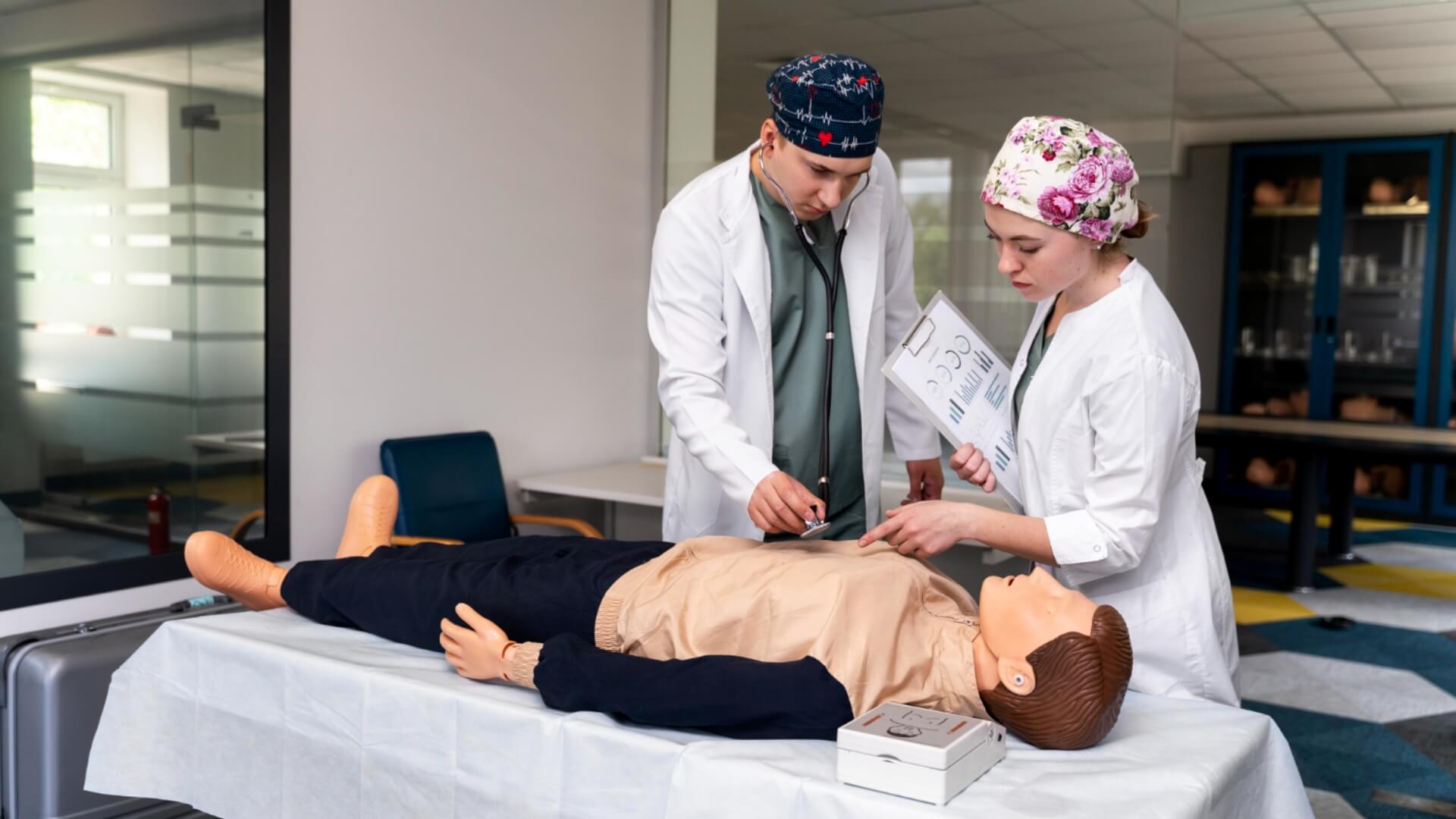
Keeping your Basic Life Support skills sharp is crucial. You know how to perform CPR, use an AED, and work as part of a team in an emergency. Now, it’s time for your bls recertification. If your card is expiring, a bls refresher course is your next step. But you’re likely wondering, “how many cme credits for bls recertification will I earn?” and “what’s the best way how to renew my bls certification?” Thankfully, providers like the American Red Cross and the American Heart Association make the process simple. This guide explains exactly what you need to do to renew certification quickly and effectively.
Since 2016, the American Heart Association has changed how it handles BLS certification. It no longer offers a shorter recertification course. Instead, both first-time certification and renewals must complete the full BLS course. The American Red Cross offers a faster process for recertification. This helps qualified people renew their credentials with less difficulty.
BLS Certification vs. Recertification: Which One Do You Need?
The key difference between online BLS certification and AHA BLS renewal courses is how experienced the participant is. Renewing BLS certification is for those who already have training and a valid card. Initial certification is for people taking BLS training for the first time. The core principles stay the same, but the coursework can change. This depends on whether it’s for a renewal or a first-time certification.
What Does Each Course Cover?
BLS certification and recertification cover the same main topics. Yet, their course formats differ. The program provides recertification for those who have completed training before. It offers a shorter review of the material. Renewal courses are shorter and cheaper than initial certification.
How Much Should You Expect to Pay?
Renewing BLS certification usually costs less than getting initial certification. With an accredited provider, an AHA-approved online BLS card generally costs around $50. Yet, renewal courses are often available at a reduced price. Some providers, like CPR Select, offer group training discounts. This applies to both new certifications and renewals. It makes training more affordable.
How Many CME Credits for BLS Recertification Can You Earn?
Doctors, nurses, and emergency responders must earn continuing medical education credits every year. The requirements may vary by employer and regulatory boards. Typically, initial BLS certification provides four CME credits, while recertification offers two.
Why Credit Hours Vary by Provider
You might notice that the number of continuing education credits offered for a BLS course isn’t always the same. This variation happens because different training providers are accredited by different organizations, and each has its own standards. For example, the requirements set by a state nursing board might differ from those for emergency medical technicians. The key is to check with your specific licensing board to understand what they accept. A reputable training provider will always be transparent about the number and type of credits their courses provide, making it easier for you to choose a program that meets your professional requirements and keeps your certification current without any surprises.
Understanding Credit Terminology: CME vs. CEU
While you’re sorting out credits, you’ll likely see the terms CME and CEU. Think of Continuing Medical Education (CME) as credits specifically for physicians, designed to keep them updated on medical practices. Continuing Education Units (CEUs), on the other hand, are a more universal measure used by a wide range of licensed professionals, including nurses and paramedics. The goal for both is the same: to ensure you stay current with the latest life-saving techniques. Generally, one CEU is equivalent to ten hours of instruction, or “contact hours.” When you enroll in a course like BLS, it’s important to confirm that the provider offers the specific type of credit your profession requires.
How Long Does Each Course Take?
If this is your first time taking the BLS certification online, plan for the course and exam to take around 4 to 5 hours. The exam is usually in a multiple-choice format. In contrast, BLS renewal courses are much shorter, often requiring only 2 to 3 hours.
Understanding BLS Accreditation and Certifying Bodies
When you’re looking for a BLS course, it’s easy to get tangled in terms like “certified,” “accredited,” and “approved.” What really matters is that your certification card will be accepted by your employer, school, or licensing board. This comes down to choosing a training provider whose curriculum aligns with established scientific guidelines. Organizations like the American Heart Association (AHA) and the American Red Cross are the gold standard because they base their training on the latest resuscitation science. A high-quality training provider, like CPR1.com, will offer courses that meet or exceed these standards, ensuring your certification is recognized and respected wherever you go. This alignment is crucial for everyone from healthcare providers needing to maintain their license to businesses ensuring they meet OSHA compliance.
The Role of Guideline-Setters like the AHA
It’s a common misconception that the American Heart Association directly accredits training providers. In reality, the AHA is a science-based organization that develops the guidelines and curriculum for lifesaving courses like BLS. They don’t give out accreditation themselves; instead, they authorize training centers that agree to teach their curriculum to their exact standards. As the AHA itself clarifies, they “can only offer the CE credits that specific accrediting bodies have approved for their courses.” This means that when you take an AHA-aligned course, you’re receiving training that is built on a foundation of rigorous scientific research and is trusted by hospitals and employers nationwide. Choosing a provider that follows these guidelines ensures your training is current, effective, and widely accepted.
Other Key Certifying Organizations
While the AHA is a major player, it isn’t the only one. The American Red Cross is another highly respected organization that provides BLS training based on similar scientific consensus. Both organizations are part of the International Liaison Committee on Resuscitation (ILCOR), which collaborates to create international CPR guidelines. For many employers and regulatory bodies, certifications from either the AHA or the Red Cross are equally valid. The most important step is to confirm which certifications your specific workplace or institution accepts. At CPR1.com, we provide BLS courses that are designed to meet these rigorous national standards, so you can be confident your credentials will be recognized.
Who Accredits the Credits?
For healthcare professionals, BLS training is also a source of required continuing education credits. These credits, often called Continuing Medical Education (CME) or Continuing Education Units (CEU), are what professional licensing boards track to ensure you’re staying current in your field. The number of credits a BLS course is worth is determined by third-party accrediting bodies, not the training provider itself. For example, a course might offer 3.5 CME points approved by a specific medical board. The exact number of CEUs needed can vary depending on the certifying organization and your profession. Always verify that a BLS course offers the type and number of credits you need before you sign up.
Key Requirements for BLS Certification and Renewal
Once you’ve found the right course, the next step is understanding what it takes to earn and maintain your certification. The process is designed to be straightforward, but there are a few key details you’ll want to keep in mind, from how long your card is valid to what happens if you miss your renewal window. Staying on top of these requirements is essential, especially for professionals whose jobs depend on having a current BLS card. A lapse in certification can mean a lapse in employment, so it pays to know the rules. Many organizations use compliance management software to track expiration dates for their staff, ensuring no one falls through the cracks and that the entire team remains ready to respond in an emergency.
How Long is a BLS Certification Valid?
A Basic Life Support (BLS) certification is typically valid for two years from the date you pass your course. This two-year cycle ensures that your skills remain fresh and that your knowledge is up-to-date with any changes in resuscitation science or guidelines. After two years, you’ll need to complete a renewal course to maintain your active status. It’s a good idea to mark your calendar or set a reminder well in advance of your expiration date. This gives you plenty of time to find and register for a renewal class without the stress of a last-minute deadline. Waiting too long could mean your certification lapses, which can create complications.
What Happens if Your BLS Certification Expires?
If you let your BLS certification expire, you can no longer take the shorter, abbreviated renewal course. Instead, you will likely need to take the full initial course all over again. This means more time in class and often a higher cost. Most training providers are strict about this rule because the renewal course is designed as a refresher for those who have recently practiced the skills, not a complete reteaching of the material. To avoid this, it’s critical to renew your certification before it expires. Proactively managing your certification timeline saves you time, money, and the headache of starting from scratch.
Passing Score Requirements
To successfully earn your BLS certification, you’ll need to pass both a written exam and a hands-on skills test. For the written portion, you typically need to score 75% or higher to pass. This multiple-choice test covers the key concepts from the course, including CPR techniques, AED use, and teamwork. The hands-on portion is just as important; an instructor will observe you as you perform skills like chest compressions and rescue breaths on a manikin. This practical assessment ensures you can not only recall the information but also apply it correctly in a real-world scenario, which is why choosing a course with a hands-on component is so important.
How to Find Your BLS Certification and Recertification Course
Many health groups and training centers offer BLS certification. For example, the American Heart Association provides this training. Some offer different courses for certification and recertification. Others use the same program for both. Many follow AHA guidelines. This keeps the core content consistent, even if the course structure is different.
To renew your BLS certification online with the American Heart Association, you must have a valid BLS card. Most providers need you to retake the full certification course if it has expired. The AHA and Red Cross now provide flexible learning. You can choose online or blended formats. Many online courses exist, but many providers still need an in-person skills assessment. This step is necessary before they issue the certification card.
Many training centers provide BLS certification. They also offer complete courses in CPR, AED, and First Aid. These programs suit those who want a wide range of emergency response skills. They cover topics like cardiac emergencies and injury care. This training helps healthcare providers and citizens act fast in medical situations.
Can You Complete Your BLS Recertification Online?
Basic Life Support guidelines change. The American Heart Association and ILCOR use new research to update guidelines. This aims to boost survival rates. These updates are included in both initial certification and BLS renewal courses. This keeps healthcare providers informed. Since many professionals already have experience, online training effectively delivers these updates. While efforts to maintain training quality continue, innovative approaches are already being implemented.
You can find BLS certification and renewal courses online. Look for trusted health groups and AHA training centers. Programs at CPR Select follow AHA guidelines. They are led by experienced instructors. This ensures high-quality training. Choosing an alternative provider doesn’t mean compromising on standards. Online courses offer flexibility. This makes them perfect for busy healthcare professionals. They need a self-paced option that suits their hectic schedules.
A good first aid kit is key for any emergency response, along with BLS certification. No matter where you are—home, work, or out and about—a good first aid kit keeps you ready for minor injuries. It helps you give initial care in emergencies. These kits meet OSHA and ANSI standards. They include essentials such as bandages, antiseptics, gloves, and more. When healthcare workers have the right tools, they can act fast in emergencies.
FAQs
What Is a BLS Provider?
A BLS provider is someone trained in basic life support (BLS) skills. This includes CPR, managing airways, and responding to emergencies. Nurses, doctors, and emergency responders usually need BLS certification. It helps them fulfill job and regulatory requirements.
How Do I Renew My BLS Certification?
To renew BLS, you need to finish a basic life support renewal course. This course must be from a recognized provider. Many groups offer renewal options. One is the American Heart Association BLS Renewal Program. You can renew in person or online. If your BLS card has expired, you may need to take the full course instead of a renewal class.
Can You Renew an American Heart Association BLS Certification Online?
Yes, you can renew your American Heart BLS online. This lets you finish the coursework at your own pace. Many providers still need an in-person skills assessment. This ensures hands-on skills before they issue the certification.
What Happens If Your BLS Certification Expires?
If your BLS certification has expired, you usually need to retake the full course for most organizations. This includes the American Heart Association BLS renewal program. Renew before your certification expires. This helps you avoid extra requirements.
How Long Does a BLS Refresher Course Take?
A BLS renewal course usually requires 2-3 hours, based on the provider. First-time certification courses usually last 4-5 hours. They take longer because they offer more in-depth instruction.
Where Can You Find an Approved BLS Renewal Course?
You can find basic life support renewal courses at the American Heart Association, Red Cross, and other approved centers. Online and blended learning options provide flexibility for busy professionals.
Practical Steps for Healthcare Professionals
How to Claim Your Credits After the Course
Once you’ve successfully completed your BLS course and passed the exam, the next step is to claim your continuing education credits. Your training provider will issue a certificate of completion, which serves as the official proof you need. Typically, an initial BLS certification course provides four Continuing Medical Education (CME) credits, while a recertification course offers two. You’ll submit this documentation to your employer or state licensing board according to their specific procedures. Most accredited training providers make this process straightforward, ensuring you have the necessary paperwork to maintain your professional credentials without any hassle and can get back to the work that matters.
Verifying Requirements with Your Employer and State Board
Before you enroll in any BLS course, it’s crucial to verify the specific requirements with your employer and state regulatory board. While BLS certification is a standard for most healthcare roles, the approved providers or course formats can vary. Some employers may require a course with a hands-on skills session, while others might accept a fully online certification. Taking a few minutes to check with your HR department or consult your state board’s website can save you time and ensure the course you choose will be accepted. This simple step guarantees your investment in training meets all necessary workplace compliance standards and keeps your professional license in good standing.
Choosing the Right Course for Your Needs
Selecting the right course depends on your certification status and learning preferences. If you’re getting certified for the first time or your certification has expired, you’ll need to take an initial provider course. If you have a valid, unexpired card, you can enroll in a shorter renewal course. It’s important not to let your certification lapse, as most organizations will require you to retake the full course. Many providers, including CPR1.com, offer flexible formats to fit your schedule. You can choose from traditional in-person classes, blended learning with online modules and an in-person skills check, or fully online Basic Life Support (BLS) courses for maximum convenience.
Stay Prepared with Your BLS Certification
Keeping BLS certification current is crucial for healthcare workers and first responders. Accredited courses help you get ready for medical emergencies. You can renew your BLS or get certified for the first time. The American Heart Association and other providers offer flexible options for BLS renewal. Renew your BLS certification online. This makes it easier to keep your credentials current. Keeping your Basic Life Support renewal current helps you meet industry standards. It also boosts your skills to save lives when it counts.
Key Takeaways
- Renew on Time to Save Time and Money: Your BLS certification is valid for two years. Completing a renewal course before it expires is faster and less expensive than taking the full initial course, which is often required if you let your card lapse.
- Confirm Your Course Meets All Requirements: Before signing up, check with your employer or licensing board to see which providers (like AHA or Red Cross) they accept. This ensures the course you choose will count toward your professional credentials and required CME/CEU credits.
- Prepare for Both a Written and Hands-On Test: A legitimate BLS recertification requires you to prove your abilities. Be ready to pass a written exam on key concepts and perform a hands-on skills assessment to demonstrate you can apply life-saving techniques correctly.
Related Articles
Disclaimer for information purposes only:
The information provided on this website is intended for general educational and informational purposes only. It is not medical advice and should not be used as a substitute for professional diagnosis, treatment, or care. Always consult a qualified healthcare or medical professional regarding any health-related questions or concerns.
While we strive to ensure the information shared is accurate and up to date, no guarantees are made regarding completeness, accuracy, or applicability to any individual situation. Use of this content is at the reader’s sole discretion and risk.
This website is part of the Response Ready family of emergency preparedness and training resources, including CPR & first aid training and compliance services, AED sales and program support, AED program management software, and medical oversight solutions provided through our affiliated platforms:
• AEDLeader.com
• ResponseReady.com
• AEDTotalSolution.com
• MDSIMedical.com
By accessing or using this website, you agree to release, indemnify, and hold harmless the website owners, authors, contributors, and affiliated entities from any claims, losses, damages, or liabilities arising from the use or reliance on the information presented.

Anastasios Giannikas
Anastasios Giannikas
Save Lives with the Right AED Today
Buy Trusted AEDs from AED Leader Today!
Get Certified in CPR and Make a Difference!


