



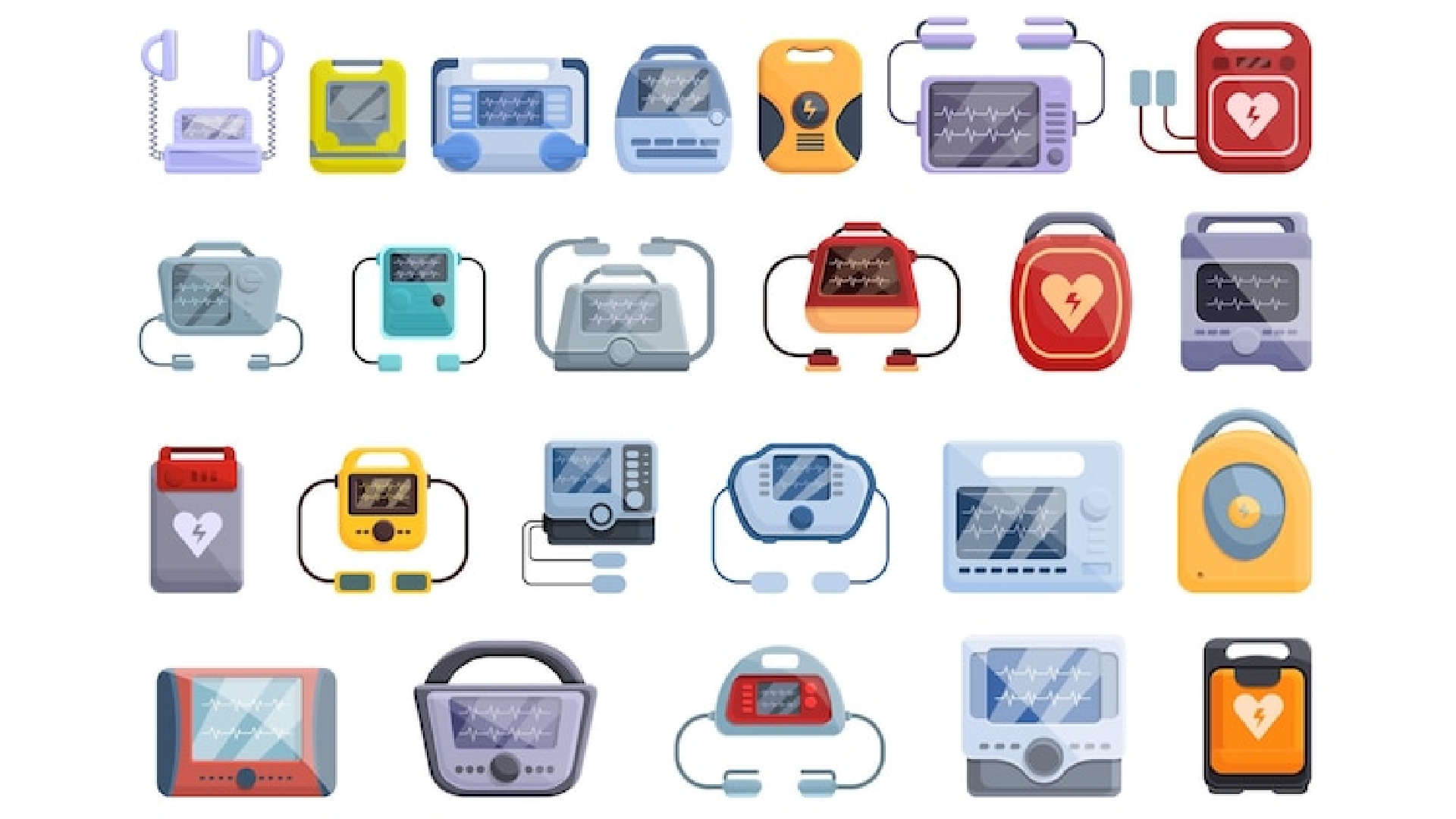
When someone’s life is on the line, the last thing you want is hesitation. But using an AED can feel intimidating, and that fear often comes down to a single button: do you have to push it? This is the core difference between a fully automatic semi-automatic model. One delivers the shock for you, while the other waits for your command. Understanding this simple distinction is crucial for building the confidence to act quickly and correctly in a critical moment.
AEDs use easy technology to assist bystanders in emergencies, even without medical training. Designers make all AEDs easy to use. Yet, users must do one extra step with semi-automatic models. The user must press a button to deliver a shock. In contrast, fully automatic AEDs do this on their own. Understanding these differences can help ensure the right choice for any situation.
What is an Automated External Defibrillator (AED)?
An Automated External Defibrillator, or AED, is a life-saving portable device designed to help someone experiencing sudden cardiac arrest (SCA). SCA happens when the heart’s electrical activity becomes chaotic, causing it to stop beating effectively. An AED analyzes this rhythm and, if necessary, delivers a controlled electric shock to restore a normal heartbeat. While the technology is sophisticated, the device itself is built for simplicity. Its primary goal is to empower anyone—from a trained professional to a bystander with no medical background—to take immediate action. The moments following a cardiac arrest are critical, and having an accessible AED can dramatically increase the chance of survival.
When you open an AED, it immediately begins guiding you with calm, clear voice instructions and visual diagrams. The process is straightforward: you attach two electrode pads to the person’s bare chest, and the device takes over from there. The “automated” part is key. The AED analyzes the heart’s rhythm to determine if a shockable rhythm is present. It will only advise a shock if one is medically necessary, which removes the guesswork and fear of causing harm. This built-in safety feature ensures you can act with confidence. While AEDs are designed for anyone to use, getting hands-on CPR and AED training builds the muscle memory and confidence needed to respond effectively under pressure.
Fully Automatic vs. Semi-Automatic AEDs: What’s the Difference?
Both fully automatic and semi-automatic AEDs are essential in cardiac emergencies. It’s important to understand their differences. Both devices deliver life-saving shocks, but their methods of operation differ. Knowing these differences helps you pick the best type for each situation.
| Fully Automatic AED | Semi-Automatic AED |
| Automatically Shocks | Click the Shock Button Required for Shock |
| Well-suited for users with limited training or high-stress situations | More control and involvement in rescue |
| Higher in cost | Lower in cost |
| Less interaction required | Allows users time to assess the patient and confirm shock is needed |
| May be preferred in an environment where a broad range of users may be responding to emergencies | Commonly used in healthcare settings and by trained responders |
How Fully Automatic and Semi-Automatic AEDs Are Alike
Fully automatic and semi-automatic AEDs function in different ways. Still, their main purpose is the same: to provide a life-saving shock when it’s needed. Knowing their common features helps you pick the right device for emergencies.
| AED Feature | Fully Automatic AED | Semi-Automatic AED |
| AED requires electrode pads attached to the patient to deliver a shock. | x | x |
| AED does not allow anyone to touch the victim when a shock is delivered. | x | x |
| AED will NOT shock the patient unless the device detects a shockable rhythm. | x | x |
| Dependent on Model: AED will provide voice and/or visual rescue instructions | x | x |
| AED provides a shock to treat sudden cardiac arrest | x | x |
Understanding Fully Automatic AEDs
Automatic AEDs simplify the rescue process by reducing the need for user involvement. After you place the electrode pads on the patient’s chest, the device checks the heart rhythm. If necessary, it delivers a shock, so the rescuer doesn’t need to do anything else.

Fully automatic AEDs usually cost a bit more, so this might affect your choice of model. Yet, weighing whether the added convenience justifies the cost is important. When investing in an AED, consider all available options to ensure you select the best fit for your needs.
Using a Fully Automatic AED: Step-by-Step
Using a fully automatic AED is simple. It follows the same basic steps as other AED models. This makes responding in an emergency straightforward and efficient.
- Once the electrode pads are placed on the victim’s chest, step back and let the AED assess the heart rhythm.
- Keep everyone away from the victim. This helps to avoid interference while the AED analyzes.
- If the AED finds a serious rhythm, like ventricular fibrillation or tachycardia, it will tell people to stand clear. It will deliver the shock without any manual intervention.
For detailed instructions on using an AED, visit this link.
Pros of a Fully Automatic AED
A fully automatic AED is ideal for situations that involve high stress. It works well, especially for people without training. Removing the need to press a shock button makes things easier. It cuts down on hesitation, so responses are quicker in critical moments.
Fully automatic AEDs work best when a quick response and ease of use are key.
- Crowded places, like transit stations, malls, stadiums, and theaters, need automatic AEDs. These devices must be ready to use at all times.
- Great for places where people might not know how to use an AED. This helps ensure a fast and effective response in emergencies.
- Vital for remote spots like campsites, hiking trails, and parks. Quick access to defibrillation can save lives.
- Great for places with senior rescuers, like retirement communities, senior lodges, and clubs. In emergencies, it is important that the tools are easy to use.
Cons of a Fully Automatic AED
A fully automatic AED limits users’ control over the timing of shock delivery. This can raise safety concerns in some situations. Follow the device’s prompts with precision. Make sure no one touches the victim when delivering a shock.
Understanding Semi-Automatic AEDs
Semi-automatic AEDs need the user to help. They tell the rescuer to deliver a shock if the heart rhythm needs it. This added step allows the user to control when the shock is administered.

Using a Semi-Automatic AED: Step-by-Step
Semi-automatic AEDs follow the same basic steps that fully automatic models use. After you attach the pads, make sure no one touches the victim. The device needs to analyze the heart rhythm.
With a semi-automatic AED, the rescuer must press the shock button when it prompts. Automatic models deliver shocks without human intervention. After administering the shock, the device will guide the user through the next steps. For detailed usage instructions, visit this link.
Pros of a Semi-Automatic AED
Semi-automatic AEDs are often preferred by trained rescuers or healthcare professionals. Everyone should use defibrillators, but high-stress situations can be daunting. So, they work best for those who have some experience using them.
Rescuers can control shock delivery. This way, they make sure the victim is safe. They also check that no one is touching the victim before delivering the shock. This reduces risks.
Semi-automatic AEDs work well when trained responders can check the scene. They can give a shock if needed.
- Great for healthcare settings like hospitals and clinics. Here, professionals can choose when to deliver the shock.
- In EMS vehicles or any emergency vehicles.
- Great for childcare places like schools and daycares. Some AEDs even have a pediatric shock button. This button adjusts energy levels for younger patients.
- Great for places with trained AED and CPR staff who can use the device in emergencies.
Cons of a Semi-Automatic AED
It’s normal to feel uncertainty about semi-automatic and fully automatic AEDs. In a heart emergency, acting fast is key. Waiting to press the shock button can hold up treatment. Yet, the device will only deliver a shock if it determines that it needs to deliver a shock. CPR and AED training give you the confidence to use these devices well in emergencies.
How to Choose the Right AED for You
When choosing between a semi-automatic and fully automatic AED, consider who will use it and their training level:
Will this individual be likely to remain cool and calm?
Consider whether the user can stay calm and focused in a high-stress emergency. While some handle pressure well, others may struggle in critical situations.
Will they be inclined to tense up during a crisis?
Think about whether potential rescuers may struggle with anxiety or panic in emergencies. The urgency of sudden cardiac arrest can be overwhelming, even for those eager to help.
Have they had any training in AED use?
Check the users’ experience with AEDs. Are they trained in its operation, or will they be using it with little to no prior instruction?
Is the AED going in a public place so anyone (trained or untrained) can use it?
Consider where the AED will be placed and who may need to use it. In a public space with experts and novices, choosing between a semi-automatic and a fully automatic model can vary.
A person in cardiac arrest is in a life-threatening situation. Trying to help them can boost their chances of survival.
What to Consider When Choosing an AED
AED Leader offers a variety of AEDs. You can choose from fully automatic or semi-automatic models. Explore the options below.
- Cardiac Science Powerheart G5
- Defibtech Lifeline
- HeartSine PAD 350P
- Physio-Control LifePak CR2
- ZOLL AED Plus
- ZOLL AED 3
The following AED models are only available in semi-automatic versions:
- Defibtech Lifeline View
- HeartSine samaritan PAD 450P
- Philips HeartStart OnSite
- Philips HeartStart FRx
- ZOLL AED Pro
Selecting the right AED requires understanding its benefits and features. Refer to our Buyer’s Guide or explore our article on top AEDs for sale to make an informed decision.
Quick action in an emergency can save lives. Knowing the differences between fully automatic and semi-automatic AEDs can improve your response in emergencies.
FAQs
How Does an AED Detect V-fib?
An AED detects ventricular fibrillation (V-fib) by monitoring the heart’s electrical signals through electrode pads. If the device detects an irregular heartbeat, it checks if a shock is needed to restore the rhythm.
What Is the Difference Between Automatic and Semi-Automatic AEDs?
The main difference between automatic and semi-automatic AEDs is how they deliver shocks. Automatic AEDs shock on their own. In contrast, semi-automatic AEDs need someone to press a button to deliver the shock. A fully automatic AED gives a shock without needing any help from a person. In contrast, a semi-automatic AED tells the rescuer to press a button to deliver the shock.
Which Is Better: Fully Automatic vs. Semi-Automatic AEDs?
Choosing a fully automatic or semi-automatic AED depends on user preference and experience. Fully automatic models are great for untrained rescuers. They remove hesitation. Semi-automatic devices give trained responders more control. These users can confirm before delivering a shock.
Can a Semi-Automatic AED Deliver a Shock Without User Input?
A semi-automatic AED only gives a shock when the rescuer presses the button. This happens after the device finds a shockable rhythm.
Why Choose a Fully Automatic AED?
A fully automatic AED makes rescue easier. It delivers a shock on its own, so users don’t need to intervene. This is beneficial in high-stress situations where hesitation could delay life-saving treatment.
User Training and Confidence Levels
Choosing between a fully automatic and a semi-automatic AED often comes down to the user’s comfort and experience level. For untrained bystanders, a fully automatic model can be a game-changer. It removes the hesitation that often comes with pressing the shock button, which can be an intimidating step in a high-stress situation. The device takes on the responsibility of delivering the shock, allowing the rescuer to focus solely on CPR and following voice prompts. This simplicity is designed to make life-saving action more accessible to anyone, regardless of their background.
On the other hand, semi-automatic devices give trained responders more control. Healthcare providers or workplace safety team members may prefer to confirm the scene is clear and personally initiate the shock. This control can add a layer of assurance for those who are experienced in emergency response. Ultimately, the best device is one that empowers the user to act quickly and confidently. That confidence is best built through hands-on CPR and AED training, which prepares you to use either type of device effectively when moments matter most.
Environment and Location
The physical setting where an AED will be stored is a critical factor in your decision. Consider where the device will be placed and who is most likely to use it. For busy public spaces like airports, shopping malls, gyms, and stadiums, a fully automatic AED is often the preferred choice. In these environments, the first person to respond could be anyone—a trained professional or a concerned bystander with no prior experience. A fully automatic model simplifies the process, reducing the chance of user error or delay in a chaotic setting.
In more controlled environments, such as hospitals, dental offices, or corporate workplaces with designated emergency response teams, a semi-automatic AED can be a perfect fit. In these settings, the users are more likely to have received formal training and feel comfortable managing the rescue process, including pressing the shock button. They are prepared to assess the scene and take decisive action. Thinking through the most likely rescue scenarios for your location will help guide you to the AED that best fits your needs.
Program Management and Compliance
For businesses, schools, and other organizations, selecting an AED is part of a larger workplace safety and compliance strategy. A key goal is to implement a program that is both effective and easy to manage. Fully automatic AEDs can simplify the training requirements for your team, as the device automates the most critical step. This ease of use is a significant advantage when ensuring that a wide range of employees are prepared to respond. When a quick, straightforward response is the top priority, a fully automatic model is an excellent option.
Regardless of which type you choose, maintaining readiness is essential for compliance. This involves regularly checking the device’s status, tracking battery and electrode pad expiration dates, and documenting your maintenance activities. For organizations managing multiple devices, this can become complex. Using an AED program management service can automate these reminders and reports, ensuring your devices are always prepared for an emergency and that your organization meets all state and federal compliance requirements.
Beyond the Device: The Importance of Training and Maintenance
Choosing the right AED is a great first step, but it’s only one component of a truly effective emergency preparedness plan. A life-saving device is only as good as the person using it and the maintenance program that keeps it ready. Simply having an AED on the wall isn’t enough; building a culture of readiness involves empowering people with knowledge and implementing processes to ensure your equipment is always functional. This holistic approach moves beyond the hardware and focuses on creating a complete system that you can count on in a crisis. True preparedness integrates the device, the responder, and the program into one seamless, life-saving solution.
Why CPR/AED Training is Essential
While modern AEDs are designed for ease of use, formal training is what transforms a bystander into a confident rescuer. An AED can deliver a shock, but it can’t perform the high-quality CPR needed to circulate oxygenated blood to the brain and vital organs. CPR and AED training provides the skills and confidence to manage an entire emergency scene, from calling 911 and starting chest compressions to correctly applying the AED pads and following its prompts. This hands-on practice helps build muscle memory, so you can act decisively without hesitation when every second counts.
Training also prepares you for the realities of a cardiac arrest event. You’ll learn how to recognize the signs of cardiac arrest, how to work as a team with other responders, and what to do after the shock is delivered. Whether you have a fully automatic or semi-automatic AED, this knowledge is invaluable. It ensures you can provide the best possible care to the victim and significantly increase their chance of survival. Investing in training is investing in the ability to make a real difference.
Maintaining Your AED for Readiness
An AED can sit unused for years, but it must be ready to work perfectly at a moment’s notice. This reliability depends on consistent and thorough maintenance. Every AED has components with a limited shelf life, primarily the battery and electrode pads, which expire every two to five years. If these components are out of date, the device may fail to deliver a shock during a rescue. Regular inspections are crucial to confirm the device’s status indicator shows it’s ready and that all supplies are present and within their expiration dates.
For any organization, especially those with multiple locations, manually tracking these details can be a challenge. This is where a comprehensive management program becomes essential. Services like AED Total Solution provide automated tracking and email alerts for upcoming expirations, while medical direction from partners like MDSIMedical.com ensures your program has proper physician oversight. A well-maintained AED is a critical link in the chain of survival, and a structured maintenance plan guarantees it’s a link you can always trust.
Making Your Final Decision
It’s crucial to know the difference between automatic and semi-automatic AEDs. This knowledge helps you choose the right one during an emergency. Both devices effectively detect V-fib and deliver life-saving shocks, but their operation varies. A fully automatic AED delivers shocks without any help needed. This makes it great for untrained rescuers. A semi-automatic AED gives more control to those who feel sure about giving treatment. An AED nearby boosts survival rates during sudden cardiac arrest, no matter which one you pick. The most important factor is acting quickly—because every second counts.
To use any AED well, you need proper training. Take an Adult & Pediatric First Aid/CPR/AED course. These courses show you how to handle cardiac emergencies for adults and kids. You’ll also get hands-on practice with an AED. Learn to assess the situation, perform CPR, and use an AED. This way, you’ll prepare to act with speed and assurance, regardless of the device you have.
Key Takeaways
- It All Comes Down to One Button: A fully automatic AED delivers a shock on its own, which is ideal for reducing hesitation in stressful situations. A semi-automatic model requires the rescuer to press the shock button, giving trained responders more control over the process.
- Match the Device to Your Environment: Consider who is most likely to use the AED. Fully automatic models are perfect for public spaces where a bystander may be the first to help, while semi-automatic devices are a great fit for settings with trained staff, like clinics or corporate safety teams.
- Preparedness Goes Beyond the Device: Having an AED is critical, but it’s only one piece of the puzzle. True readiness comes from combining your device with hands-on CPR training to build confidence and a solid maintenance plan to ensure it works perfectly when needed.


