



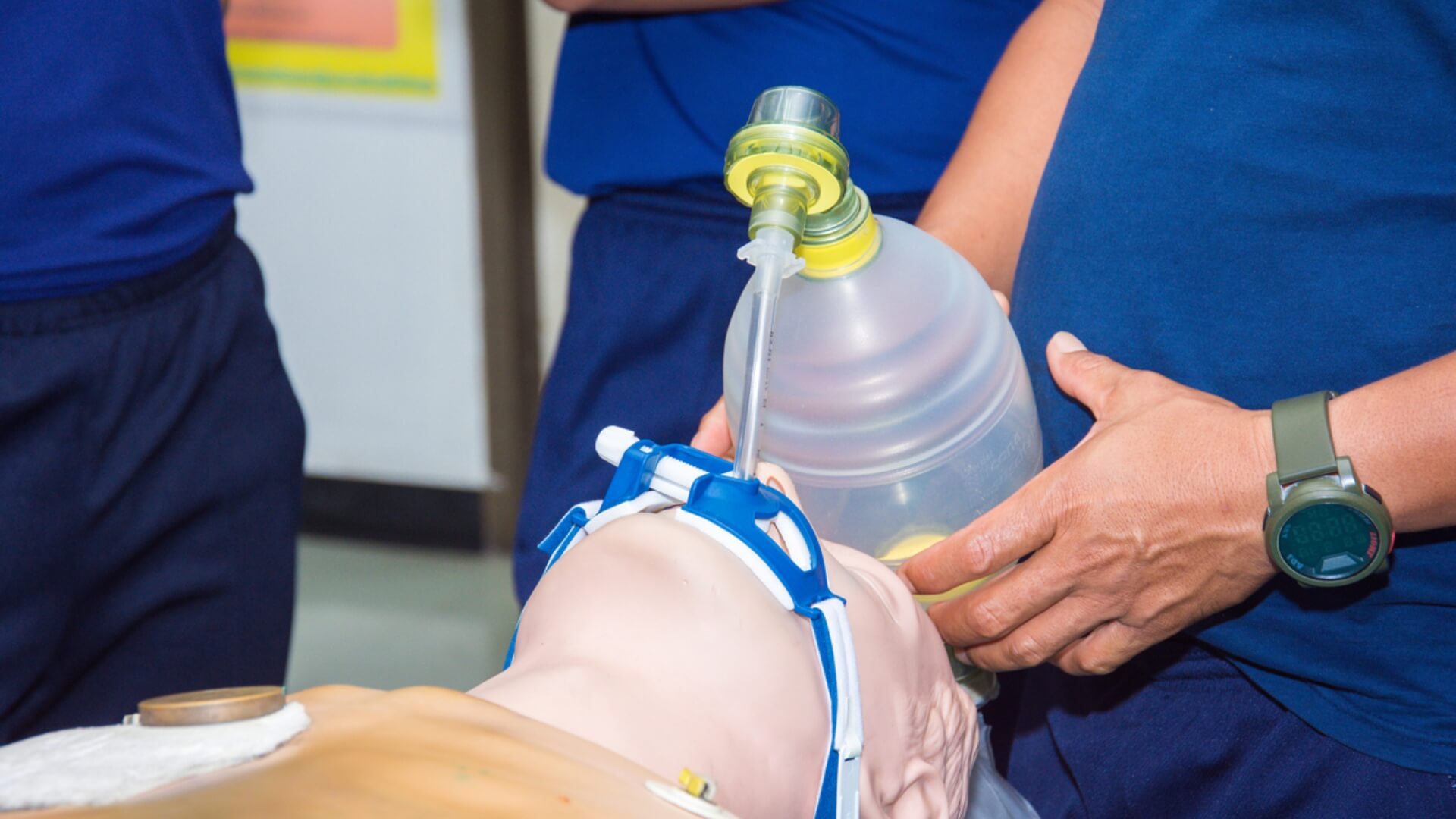
Picking the right certification can feel confusing, even if you’re already in healthcare. You might be wondering about the key differences in the ACLS vs CPR debate. Is one better than the other? Do you need both? Think of it this way: CPR certification is the essential first step for almost anyone. ACLS, which stands for Advanced Cardiovascular Life Support, is the next level for medical professionals. This guide will clear up the confusion between ACLS certification vs CPR, helping you confidently choose the right training for your career goals.
First Things First: What is CPR?
CPR, or cardiopulmonary resuscitation, is a vital emergency procedure. Doctors use it when the heart stops beating. CPR, when performed immediately after cardiac arrest, saves lives. It can double or triple a patient’s chance of survival.
CPR combines chest compressions with rescue breaths. We encourage bystanders without certification to perform CPR that involves only chest compressions. Many online CPR courses also include training in using automated external defibrillators (AEDs). An AED shocks a heart in ventricular fibrillation. It helps restore a normal rhythm during cardiac arrest.
Your Step-by-Step Guide to Performing CPR
- Ensure the scene is safe to avoid putting yourself or others at risk. Approach the unresponsive person and loudly ask, “Are you okay?” to determine if they are unconscious or simply asleep.
- If someone needs immediate help, call 911 or instruct a bystander to do so. If an AED is available, send someone to retrieve it. If no AED or help is accessible, call 911 and start CPR immediately.
- Tilt the patient’s head and lift their chin to open the airway.
- Listen for signs of breathing for up to ten seconds. If the person isn’t breathing, start CPR immediately.
- Place your hands at the center of the chest, one on the other. Use your body weight to deliver compressions. Each compression must be at least two inches deep. Do 100 compressions per minute.
- With their head tilted back and chin up, pinch their nose. Then, seal your mouth over theirs. Blow into their mouth while observing the chest rise. Give two rescue breaths before resuming chest compressions.
- If the chest doesn’t rise after the first rescue breath, adjust the head position and try again. If it still doesn’t rise, the person may be choking. After every 30 compressions, check for and remove any obstructions before giving breaths.
- Continue CPR. Do cycles of chest compressions and rescue breaths. Stop when the person shows signs of life, an AED is ready, or medical professionals arrive. Stop only if the environment becomes unsafe or you are too exhausted to continue.
Who Should Get CPR Certified?
CPR certification is best for those wanting to save lives and help their community. It is mandatory in fields like healthcare and law enforcement. It also applies to firefighting and emergency response. CPR certification requirements may differ by state and job role.
In Virginia, a law mandates that all teachers must get CPR certification. Also, many in similar roles need advanced training along with basic CPR certification.
The Critical Need for More Certified Responders
The reality is, emergencies can happen anywhere, and the person next to you is often the first line of defense. When someone suffers a cardiac arrest, every second counts. Receiving immediate CPR can literally double or even triple a person’s chances of survival. This is why having more certified responders in our communities is so important. CPR training empowers everyday people—parents, teachers, and coworkers—to provide critical help before professionals arrive. It’s a basic life support skill that keeps blood and oxygen moving, bridging the gap until medical help takes over. While advanced courses are essential for healthcare providers, widespread CPR certification forms the foundation of a truly response-ready community, making everyone safer.
So, What is ACLS?
ACLS is for healthcare workers and emergency responders. It is for those who manage cardiac arrest and emergencies. The course provides essential skills for handling these critical situations:
- Basic life support skills include effective chest compressions, using a bag-mask device, and using an AED.
- Recognizing and managing respiratory and cardiac arrest.
- Recognition and early management of peri-arrest conditions such as symptomatic bradycardia.
- Airway management.
- Related pharmacology.
- Management of ACS and stroke.
- Effective communication as a member and leader of resuscitation teams.
Breaking Down the Acronym: What Does ACLS Stand For?
ACLS trains healthcare providers to manage critical cardiac emergencies. This training is on recognizing and treating life-threatening arrhythmias. They include ventricular fibrillation and pulseless ventricular tachycardia. The course covers airway management, resuscitation, life-saving drugs, and teamwork in high-pressure situations.
What Does an ACLS Certification Involve?
The ACLS certification is for emergency medical and healthcare personnel. They care for critically ill patients in hospital settings, like the ER or ICU. While not mandatory, medical-surgical nurses should get ACLS certified. It will boost their skills and readiness. This course, endorsed by the American Heart Association, equips healthcare professionals. It teaches them to handle life-threatening medical situations effectively.
- Review of Basic Life Support Skills
- Recognition and early management of respiratory arrest and cardiopulmonary resuscitation.
- Management of peri-arrest, such as symptomatic bradycardia.
- Airway management, including intubation and bag-valve-mask ventilation.
- Management of Acute Coronary Syndromes and Stroke
- Related pharmacology
- Effective communication as a member and leader of a resuscitation team.
Learning to Interpret ECGs
A major leap from basic CPR to advanced care is learning to interpret electrocardiograms (ECGs). Think of it as learning to read the heart’s electrical language in real-time. While CPR provides vital support, ACLS training equips you with the advanced monitoring skills to diagnose the underlying problem. This is crucial for recognizing and treating life-threatening arrhythmias like ventricular fibrillation and pulseless ventricular tachycardia. By understanding what you see on the heart monitor, you can move beyond standardized compressions and apply specific, life-saving interventions, including advanced medical procedures and emergency medications. It’s a skill that transforms you from a first responder into a clinical decision-maker during a cardiac crisis.
What to Expect from a CPR Certification Course
A CPR certification program teaches vital skills. It trains people to perform chest compressions and artificial ventilation. These skills keep the brain and vital organs alive until help arrives. This certification is open to all, regardless of education. It serves workplace responders, emergency rescuers, healthcare workers, and the public. The course for healthcare providers teaches lifesaving techniques for emergencies. It is tailored to their roles:
- Cardiac arrest recognition
- Checking for breathing responsiveness.
- Calling Emergency Medical Services or 911.
- Head tilt, chin lift method
- Clearing the obstructed airway
- Hands-only CPR
- Delivering two rescue breaths and 30 chest compressions at a proper rate and depth
- Delivering electric shocks via AED (Automated External Defibrillation)
ACLS vs. CPR: What’s the Real Difference?
ACLS and CPR certifications both teach life-saving techniques for cardiac arrest. But, they differ in complexity and depth of training.
What You’ll Learn in Each Course
CPR and First Aid Certification teaches lifesaving basics. It covers chest compressions, using an AED, and managing choking and burns. These skills are crucial for handling emergencies outside of hospital settings. In contrast, Advanced Cardiac Life Support trains hospital staff to fix complex heart issues.
The ACLS course trains emergency responders and healthcare professionals. It teaches them to use defibrillators, interpret ECGs, and follow emergency protocols. It also includes instructions on giving medications orally and intravenously. It covers using essential equipment, like intubation tools, glucose monitors, and cardiac monitors.
Who Each Certification is For
CPR certification courses teach lifesaving skills. They are open to anyone, regardless of profession or medical training. They are sought after by yoga instructors, babysitters, fitness trainers, and workers. Many medical professionals also need them. These courses offer valuable knowledge for anyone who works closely with others. In contrast, Advanced Cardiovascular Life Support certification targets healthcare professionals. It focuses on advanced techniques and critical care scenarios.
Typical Settings for CPR vs. ACLS
So, where would you actually use these skills? The simple answer for CPR and AED Machine use is: almost anywhere. Because a cardiac emergency can happen at home, in an office, or at the gym, CPR is a skill designed for everyone. It’s for teachers in classrooms, workers on job sites, and fitness instructors in classes. That’s why many organizations focus on workplace safety training. They often include CPR instruction. It helps everyday people take action in a crisis. It offers vital support until professionals arrive. ACLS is performed in much more specific, high-stakes environments. It’s the protocol paramedics, nurses, and doctors follow in hospitals, ambulances, and ICUs. They use it where advanced medical equipment and medications are available.
How Long Does Each Certification Take?
ACLS certification is for those with extensive patient care experience. It requires a broad understanding of advanced medical techniques. The course often takes two full days due to its depth. But, it uses flexible methods, like CPR certification. So some can finish it sooner.
Your Guide to Getting ACLS Certified
In the U.S., hospitals and emergency services often must obtain ACLS certification. It must come from the American Heart Association. Many options exist for getting an AHA-approved certification, which is a positive outcome.
The safest way to get ACLS certified is to attend a local class. It usually costs $150 to $200. When searching for a course, check for AHA approval. Most U.S. hospitals and emergency services need AHA-accredited certification.
You can get ACLS certification through an online class. But be cautious. Many providers offer “ACLS Certification” that is not approved by the AHA. Most hospitals and healthcare facilities do not accept these certifications. Always verify the accreditation before enrolling.
Healthcare workers must complete OSHA Bloodborne Pathogens training along with their ACLS certification. This course teaches providers to safely handle blood and other infectious materials. This way, it helps lower the risk of disease spread in clinical settings. Like ACLS, pick a good OSHA-compliant training provider. This helps meet workplace and regulatory standards.
Prerequisites for ACLS Training
Before you can enroll in an ACLS course, you need a solid foundation in basic medical skills. This certification is designed for healthcare professionals who already have patient care experience, such as paramedics, nurses, and physicians. The most important prerequisite is proficiency in Basic Life Support (BLS). You are expected to be confident in your BLS skills, including high-quality CPR and AED use, before you even walk into an ACLS class. The course builds on this knowledge, teaching advanced techniques like interpreting ECGs, administering medications, and managing a patient’s airway. Think of BLS as the essential groundwork you need before constructing the more complex framework of ACLS.
Certification Renewal and Staying Current
Once you earn your ACLS certification, it’s typically valid for two years. This renewal cycle ensures that your skills remain sharp and aligned with the latest medical guidelines. Emergency care protocols can change based on new research, so staying current is vital for providing the best possible patient outcomes. To renew, you’ll usually take a shorter recertification or “update” course rather than the full initial program. It’s always a good idea to check the specific requirements of your employer or licensing board, as they may have their own policies. Keeping your certification active demonstrates a commitment to excellence and readiness in critical situations.
Beyond ACLS and CPR: Related Life-Support Certifications
Basic Life Support (BLS)
Think of Basic Life Support (BLS) as the essential foundation for emergency response. It’s a critical course designed to teach the fundamental skills needed to act confidently in a crisis. While it’s a requirement for most healthcare workers and first responders, our BLS certification is also perfect for anyone who wants to learn core emergency skills. The training covers how to perform high-quality CPR, properly use an AED, and manage a patient’s airway to help them breathe. According to life-saving experts, BLS teaches the basic skills needed to respond to someone who is choking or experiencing cardiac arrest, making it one of the most valuable certifications you can have.
Pediatric Advanced Life Support (PALS)
When an emergency involves an infant or child, the rules change. That’s where Pediatric Advanced Life Support (PALS) comes in. This advanced course is specifically for healthcare providers who need to manage emergencies in young patients. The training goes far beyond basic CPR, teaching professionals how to systematically assess babies and children, deliver age-specific CPR, and administer correct medication dosages for their size. PALS also emphasizes handling unique pediatric breathing and heart problems and stresses the importance of effective team communication during high-pressure situations. It equips providers with the specialized knowledge needed to give children the best possible chance of a positive outcome.
Where to Find CPR and ACLS Certification Courses
The AHA and the American Red Cross are the top basic and advanced life support certifiers. Hospitals and healthcare facilities widely accept their certifications. The AHA, a research-driven group, is key in advancing CPR knowledge. The AHA sets the training and certification standards. The American Red Cross and other respected centers follow them.
Discover the distinction between CPR and BLS certifications with CPR Select. We offer online training programs, including CPR, First Aid, and Basic Life Support. We tailor them to your needs. Our courses follow the AHA’s and ECC’s guidelines. Upon completion, we will deliver your certification card immediately.
Online vs. In-Person Training: What You Need to Know
Deciding between an online or in-person course is a common crossroads for anyone seeking certification. Online CPR courses offer incredible flexibility, allowing you to learn the theoretical components from anywhere. This convenience is a huge plus for busy professionals and parents. However, when it comes to life-saving skills, practical application is everything. While an online module can teach you the steps, nothing replaces the hands-on practice of performing chest compressions on a manikin to understand the right depth and rhythm. To get the best of both worlds, many people opt for a blended learning approach—completing coursework online and then attending a brief, in-person session to practice and perfect their skills with a certified instructor.
When it comes to ACLS certification, the decision requires more caution. While you can find online-only ACLS courses, many are not approved by the American Heart Association (AHA). Most hospitals and healthcare systems will not accept these certifications, making your investment a waste of time and money. ACLS is an advanced, team-based discipline that involves complex scenarios, airway management, and pharmacology. The hands-on portion is not just a formality; it’s where you learn to function as a leader and member of a resuscitation team. For this reason, the safest and most effective way to get ACLS certified is through an accredited, in-person class that ensures you meet all professional and institutional requirements.
FAQs
Is Lifesaver CPR legit?
Lifesaver CPR is a legitimate provider of CPR and ACLS certification courses. It follows guidelines, ensuring participants receive reliable, professional training in lifesaving techniques.
What Can You Do With an ACLS Certification?
ACLS (Advanced Cardiac Life Support) certification is a training program for healthcare professionals. It is specialized. It focuses on advanced skills, like managing cardiac arrest and emergencies. It also covers the use of advanced equipment, such as defibrillators.
How Do I Get Both CPR and ACLS Certified?
You can get CPR and ACLS certifications by taking courses from accredited organizations. These courses are available online and in person. They cover essential skills for managing emergencies.
Why Getting Certified in CPR and ACLS Matters
CPR and ACLS certifications teach life-saving skills in emergencies. They are often mandatory for healthcare providers and responders. They ensure preparedness in critical situations.
Can I Trust Online Providers for Certification?
When choosing an online provider, ensure they are accredited. They should follow standards like those of the American Heart Association. This guarantees their legitimacy and acceptance by employers.
Choosing the Right Life-Saving Certification for You
In conclusion, CPR and ACLS certification are vital for lifesavers in emergencies. These certifications provide essential skills and knowledge. They suit healthcare pros, emergency responders, and anyone wanting to be prepared. Choose a trusted, accredited provider. This will ensure your training meets the highest standards. It will equip you to make a difference when it matters most.
Key Takeaways
- Choose Your Course Based on Your Role: CPR certification is designed for everyone and provides the foundational skills to respond to an emergency anywhere. ACLS is a specialized course for healthcare professionals responsible for directing advanced medical care in a clinical setting.
- Master the Basics Before Advancing: You must be proficient in Basic Life Support (BLS/CPR) before taking an ACLS course. ACLS training builds directly on your CPR skills, adding advanced techniques like ECG interpretation, airway management, and pharmacology.
- Prioritize Accredited, Hands-On Training: For a certification to be effective and accepted by employers, choose a program from a recognized provider like the AHA. Real-world skills require hands-on practice, so opt for in-person or blended courses over online-only options, especially for ACLS.
Related Articles
- ACLS vs. BLS Explained: Discover the Differences in Certification — CPR1
- What is ACLS certification? A complete guide to advanced cardiac — CPR1
- CPR vs. ACLS: Which Certification Fits Your Needs? — CPR1
- PALS vs. ACLS Certification: Differences and Requirements — CPR1
Disclaimer for information purposes only:
The information provided on this website is intended for general educational and informational purposes only. It is not medical advice and should not be used as a substitute for professional diagnosis, treatment, or care. Always consult a qualified healthcare or medical professional regarding any health-related questions or concerns.
While we strive to ensure the information shared is accurate and up to date, no guarantees are made regarding completeness, accuracy, or applicability to any individual situation. Use of this content is at the reader’s sole discretion and risk.
This website is part of the Response Ready family of emergency preparedness and training resources, including CPR & first aid training and compliance services, AED sales and program support, AED program management software, and medical oversight solutions provided through our affiliated platforms:
• AEDLeader.com
• ResponseReady.com
• AEDTotalSolution.com
• MDSIMedical.com
By accessing or using this website, you agree to release, indemnify, and hold harmless the website owners, authors, contributors, and affiliated entities from any claims, losses, damages, or liabilities arising from the use or reliance on the information presented.

Anastasios Giannikas
Anastasios Giannikas
Save Lives with the Right AED Today
Buy Trusted AEDs from AED Leader Today!
Get Certified in CPR and Make a Difference!


