



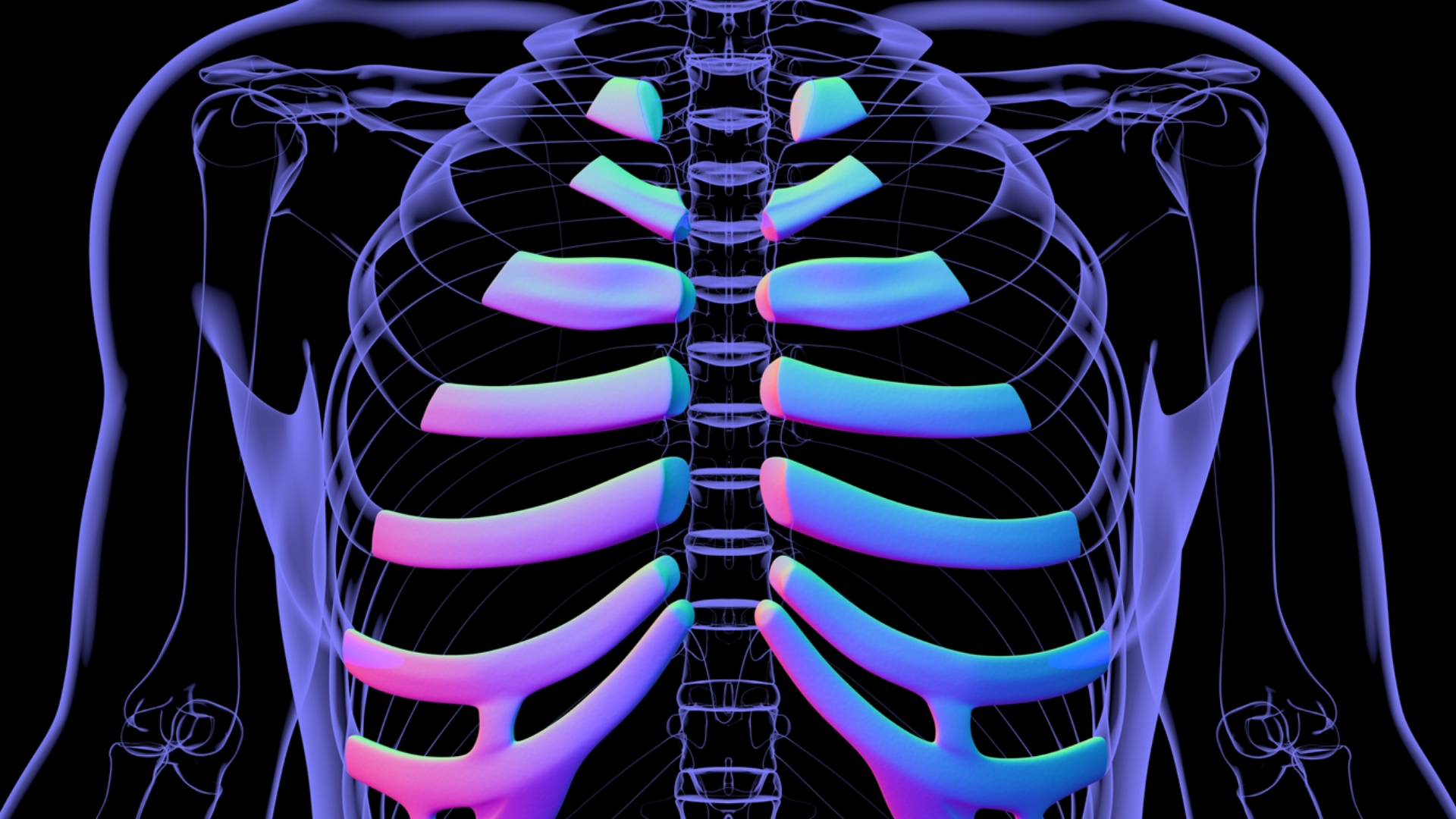
Yes, CPR can sometimes crack or break ribs, especially in adults, because you must push hard enough to move blood. In a real cardiac arrest, the risk of broken ribs is far less serious than the risk of death. If you hear or feel a crack, stay calm, adjust your hand position slightly, and keep going.
If you’ve ever practiced CPR, you’ve probably wondered, “Am I going to break someone’s ribs?” The honest answer is that CPR can cause cracked or broken ribs, especially in adults, but that doesn’t mean you’re doing it wrong. In a real emergency, effective CPR gives someone a chance to live – and that chance matters far more than a rib injury.
Injuries during CPR, such as broken ribs, are more common than you might think. Many recipients experience some form of bone damage due to the procedure. Here’s what you need to know. Being certified in CPR is one thing. Using those skills in a real emergency is a different experience. A common worry when performing CPR for the first time is the fear of causing injury. Can CPR break ribs? Are you doing more harm than good? Chest compressions need high pressure on the ribs. You might worry about hearing a crack during this. The reality is that injury during CPR isn’t all that uncommon. CPR often breaks ribs or bones in those who receive it. In other words, it’s a common occurrence. The risk of breaking ribs often makes CPR students hesitant. Some worry about their ability. Others fear breaking a rib. This article may help if you’re unsure or overwhelmed by the risks of CPR.
How often do ribs break during CPR?
To be effective in adults, CPR requires chest compressions about 2 inches deep. If the depth is too shallow, blood circulation will not be adequate. It takes about 60 pounds of force to compress the chest by 2 inches. This often causes rib fractures during CPR. It’s generally accepted that around 30% of patients experience broken ribs during CPR. A 2015 study in Resuscitation suggests that this number may be much higher. The study reviewed autopsy data from over 2,000 patients. They had received CPR for non-traumatic cardiac arrest. It found that:
- 86% of men and 91% of women presented with skeletal chest injuries
- 59% of those men and 79% of those women had fractures of the sternum
- 77% of those men and 85% of those women had fractures of the ribs
- 33% of those men and 12% of those women had sternocostal separation
A common myth is that improper CPR can be deadly. It often causes rib fractures in many patients. There’s a good chance that performing CPR could result in some form of injury to the patient.
Insights from Medical Studies
Fracture Rates in CPR Recipients
When you look at the medical research, it’s clear that injuries from CPR are a real possibility. Different studies show slightly different numbers, but the overall message is consistent: fractures happen. For instance, a review of multiple studies found that rib fractures occur in about 55% of CPR cases, making them the most common type of injury. Other sources estimate that around 70% of patients experience some kind of bone break, with about a third suffering from broken ribs and a fifth breaking their sternum. While these numbers might sound alarming, they highlight the force required for effective CPR and underscore that these injuries are an expected part of a life-saving intervention.
To get a more detailed picture, a 2015 study published in the journal *Resuscitation* analyzed autopsy data from over 2,000 people who received CPR after a non-traumatic cardiac arrest. The findings were striking and showed even higher rates of injury. The study reported that a staggering 86% of men and 91% of women had skeletal chest injuries. Specifically, 77% of the men and 85% of the women had rib fractures. This research confirms that chest injuries aren’t just a risk—they’re a highly probable outcome. This is why proper training is so important; it teaches you to deliver effective compressions with the understanding that saving a life is the priority, even if it means causing an injury.
Who’s Most at Risk for Rib Fractures During CPR?
The study shows that women are more likely than men to sustain chest injuries during CPR. The study found that older patients are more likely to get rib fractures from CPR than younger ones. Conditions like osteoporosis weaken bones. They raise the risk of injuries during CPR. CPR is less likely to cause rib fractures in larger people, especially the obese, than in smaller ones. A study in Korea found that bystander CPR causes more chest injuries than treatment by trained professionals, such as doctors and paramedics. The good news is that proper training reduces the risk of injury or broken ribs from CPR. The risk of injury increases depending on the size and strength of the person performing CPR. Men usually have more upper body strength. So, they are more likely to cause rib fractures. But this isn’t always true.
What Medical Professionals Say About CPR Injuries
A Sign of Effective Compressions?
Many medical professionals and first responders see rib fractures as an unfortunate but frequent sign of properly administered CPR. There’s a common saying in emergency circles: “If the bones ain’t crackin’, the compressions are lackin’.” While that’s not an official medical guideline, it highlights the stark reality of resuscitation. The force required to manually circulate blood and save a life is significant, and the alternative—ineffective compressions—is far worse than a broken bone. A study published in Resuscitation found that rib fractures occurred in a huge percentage of patients who received resuscitation attempts, with injuries found in 77% of men and 85% of women. This underscores that fractures aren’t just possible; they’re a common outcome when CPR is done correctly and with the necessary force.
Preparing for the Reality of CPR
Responders often describe the sensation of ribs breaking during compressions as feeling like “human bubble wrap.” This vivid description shows just how different a real emergency is from practicing on a manikin. The physical and emotional experience can be jarring, and it’s something that stays with rescuers long after the event is over. This is why high-quality, realistic training is so important. At CPR1.com, our instructors—many of whom are paramedics, firefighters, and nurses—focus on building real-world confidence. We prepare you not just for the technical steps but for the mental and physical realities of an emergency, helping you stay focused when it matters most.
Heard a Crack During CPR? Here’s What to Do
During CPR, you may hear a crack or feel something give. This could mean a broken rib. Yet, this sound is often due to cartilage breaking in the ribs or sternum, rather than a bone fracture. No matter what you hear or feel, do not stop CPR. This is true even if you suspect a rib may have broken. Broken ribs from CPR can cause pain and slow recovery. But stopping resuscitation could be worse, even fatal. It is unlikely that someone would get upset about broken ribs from CPR. They’re more likely to be thankful for the quick, effective response that saved their life.
Why Fear of Injury Shouldn’t Stop You
Many people have broken bones while performing CPR over the years. Yet, the fear of causing injuries should not stop you. You must perform this life-saving procedure. While broken bones can heal, death is irreversible. Most states have Good Samaritan laws. They protect those who, in good faith, provide first aid. This includes situations where their CPR causes broken ribs. This ensures your protection even if someone files a lawsuit. CPR is an intense and sometimes forceful technique, so there is always a risk of injury to the recipient. If the person you help survives, you can expect a sincere thank you, despite any broken ribs.
Does CPR break ribs?
Yes and no. Instructors often mention the cracking and popping sounds heard during CPR. They usually blame them on broken ribs. Yet, this isn’t always accurate. The American Heart Association says to compress to a depth of 2 to 2.4 inches. Do this at a rate of 100-120 per minute. If you press on your chest, you’ll feel little depth or movement. The chest wall isn’t designed to shift like that. The force and frequency of CPR can indeed lead to musculoskeletal injuries. During CPR, you usually hear a cracking sound. It’s the cartilage connecting the rib to the sternum separating. While it’s possible for the rib bone to crack, this usually occurs due to one of two reasons.
- Improper hand placement, such as being too far left or right of the sternum, can lead to rib fractures during CPR. If you’re not centered, the pressure can easily cause a rib to break. A study in South Korea found that non-healthcare providers are more likely to break ribs. This is likely due to their lack of experience or training.
- As we age, our bones become more brittle. This raises the risk of rib fractures during CPR, even with proper hand placement. Also, some bone diseases can weaken bones. This makes them more prone to injury, no matter the CPR method used.
Does CPR break ribs? Sometimes. More often, it results in the separation of the ribs and sternum. A study by the European Resuscitation Council found that only a third of CPR patients had rib fractures. But don’t let the risk of injury discourage you. Some rib damage is far better than allowing someone to die. If you hear cracking sounds while doing CPR, keep pushing hard and fast on the center of the chest. There are valid reasons to stop CPR, but broken ribs are not one of them.
Should CPR break ribs?
Instructors often told students, 20 years ago, that broken ribs meant effective CPR. They say it less now. Such guidance would be gross negligence today and could lead to legal issues. Broken ribs or separated cartilage during CPR don’t show good technique. Although it can happen, past instructors often exaggerated their significance. Focusing on rib fractures can cause serious complications in real life. Children’s bones remain flexible and uncalcified until about the age of 10. If you perform CPR on a child hard enough to break ribs, you risk severe injuries to their lungs, heart, and spine. These could be life-threatening. A serious risk of breaking ribs during CPR is a fractured rib. It may puncture the lung or heart. This shouldn’t discourage you from performing CPR. But it is a reminder not to aim for rib fractures while giving life-saving care.
It’s hard to judge compression depth and rate from a screen. In our CPR1 courses, you’ll practice on manikins with real-time feedback so you know exactly how hard to push – and how to keep someone alive until EMS arrives.
What’s Recovery Like for CPR-Related Rib Injuries?
If the rescuer only separates the ribs from the sternum, the repair is easy. It involves using a wire to reattach the ribs to the sternum, which provides time for healing. There may be chest soreness for weeks. But, it’s a minor consequence compared to the alternatives.
Injuries like rib separation can happen during CPR, but they are rare. This is more likely if proper technique is not used. That’s why hands-on training in an Adult First Aid/CPR/AED course is so important. It shows you how to give strong compressions. This way, you lower your chance of injury. You’ll feel ready to save a life safely and confidently.
Could You Be Sued for Breaking Ribs During CPR?
No. The Good Samaritan laws in your state do cover you. The courts recognize your efforts to save a life. You may still face lawsuits from the family or patient. But Good Samaritan laws usually protect you in court. These laws protect you when you follow national CPR guidelines. They do not cover gross negligence or actions beyond standard CPR and First Aid training. Here are two examples to illustrate this.
- CPR should not aim to break ribs. Also, do not place your hands on the victim’s abdomen instead of on their sternum.
- It is inappropriate to attempt advanced procedures not included in a basic CPR class. For example, do not use a pen to create an airway in the victim’s throat.
These examples show gross negligence. If the court believes you acted this way, you would lose the Good Samaritan Law’s protection.
What About Mechanical CPR Devices?
Injury Risks with Automated Compressions
You might think a machine would be more precise or gentle than a person, but that’s not always the case with CPR. Mechanical CPR devices, which perform automatic chest compressions, are often used by emergency responders to provide consistent compressions over long periods. However, they aren’t without risks. One study found that CPR performed by a machine was linked to a 36% higher risk of injury compared to manual CPR. This tells us something important: fractures are an inherent risk of the procedure itself, not just a result of human error. The force required to circulate blood is significant, no matter who—or what—is delivering the compressions.
A review of multiple studies shows that rib fractures occur in about 55% of CPR cases, making it the most common injury associated with the procedure. So, while mechanical devices can standardize compressions and reduce rescuer fatigue during long emergencies, the risk of injury remains significant. This really underscores the need for proper training and awareness of the potential consequences, whether CPR is performed by a person or a machine. Understanding that these injuries are a possibility helps you stay mentally prepared and focused on the ultimate goal: giving the person the best possible chance of survival, which is always the top priority.
How to Perform CPR
Administering CPR becomes straightforward once you understand the essential steps.
Step 1: Call 911 Immediately
Before you do anything else, your first action should always be to ensure professional help is on its way. Call 911 immediately. If another person is nearby, don’t just shout for help, as this can lead to the bystander effect where everyone assumes someone else will act. Instead, point directly to one person and give a clear command: “You in the blue shirt, call 911 and find an AED now!” Activating the emergency response system gets paramedics and advanced equipment moving in your direction, which is critical for the person’s survival. Every second counts, and this single step can make all the difference.
Step 2: Begin Chest Compressions
For an adult who has suddenly collapsed, chest compressions are the most crucial part of CPR. Your goal is to manually pump the heart to keep oxygenated blood flowing to the brain and other vital organs. Think of yourself as a temporary life-support system until medical professionals can take over. Don’t worry about performing rescue breaths if you are not trained or feel uncomfortable doing so; hands-only CPR has been shown to be highly effective. The key is to start compressions as soon as possible and to continue them with minimal interruption until help arrives.
Correct Hand Placement and Depth
To perform compressions correctly, kneel beside the person and place the heel of one hand on the center of their chest, right on the breastbone. Place your other hand on top of the first and interlock your fingers. Position your shoulders directly over your hands and keep your arms straight. Using your body weight, push hard and fast, compressing the chest about 2 to 2.4 inches deep. The correct rate is between 100 and 120 compressions per minute—the beat of the song “Stayin’ Alive” is a great guide. Proper technique ensures you are providing high-quality CPR that maximizes blood flow while minimizing the risk of unnecessary injury.
What Are the Other Physical Effects of CPR?
In a cardiac arrest, every minute is vital. Prompt CPR can be the difference between life and death. If performed in the wrong manner, CPR can cause complications. These include chest injuries.
Why Do Ribs Break During CPR?
Rib fractures are a common occurrence during CPR, though not inevitable. It’s important to consider the vulnerability of the cardiac arrest victim beforehand. Elderly patients, especially those with osteoporosis, are more prone to rib fractures. Their bones are fragile. If you’re hesitant to do CPR for fear of hurting ribs, be ready for other options. Remember, even if a rib breaks, you may still save a life.
Heard a Crack? Why You Must Keep Going
If you hear or feel a rib break while performing CPR, continue your efforts. The victim may feel chest pain when they wake up. But we must focus on their survival. Victims rarely complain about receiving CPR. They know the situation is urgent. Rib fractures are serious, but they can wait. Cardiac arrest requires immediate action. CPR is a vital life-saving technique. It will remain so, even as methods evolve. A minor rib injury should not deter you from your commitment to saving lives.
What Should I Do If I Hear a Crack During CPR?
- Don’t panic or stop suddenly. Cardiac arrest is immediately life-threatening; a cracked rib is not.
- Quickly check your hand position. Center of the chest, between the nipples, on the lower half of the sternum – not over the ribs themselves.
- Adjust slightly if needed, then resume compressions. Keep your shoulders stacked over your hands and push hard, fast, and straight down.
- Rotate rescuers if possible. Switching every 2 minutes helps maintain high-quality compressions.
- Tell EMS what you noticed. Mention any cracking sounds or feelings when paramedics arrive.
Can CPR induce vomiting?
Vomiting is a common side effect of CPR. It can be dangerous, especially if the victim is unconscious, as it may block their airway. If a victim vomits during CPR, turn their head to the side to allow the fluid to drain from their mouth.
Can CPR cause brain damage?
During CPR, the brain receives about 5% less oxygen than normal, which can result in injury. Also, if the victim doesn’t get CPR within a few minutes of collapsing, brain damage is likely. So, immediate intervention is crucial.
Can CPR lead to abdominal distension?
During CPR, rescuers push air into the lungs. Delivering too much air can cause abdominal bloating. This may result in vomiting and compression of the lungs, making it harder for the victim to breathe.
Can CPR lead to aspiration pneumonia?
During CPR, vomit or broken teeth can enter the lungs. This can cause pneumonia and complicate recovery. Despite these risks, it remains vital for rescuers to perform CPR. To prevent choking, turn the victim’s head to the side. Then, continue with chest compressions. Remember, acting with urgency increases the chances of survival.
Faq
How often do ribs break during CPR?
About 30% of cardiac arrest victims who receive CPR may break a rib or sternum.
How Long Do Ribs Take to Heal After CPR?
Healing times can vary, but broken ribs and sternums usually take four to six weeks to heal.
Can I Be Sued for Breaking Ribs During CPR?
You cannot sue. All 50 states have Good Samaritan laws. They protect emergency responders from lawsuits for harm if they acted in good faith.
What’s the Most Common CPR-Related Rib Fracture?
Rib fractures affect the 2nd rib in 60% of cases. Sternal fractures typically occur between the 3rd and 4th ribs or between the 4th and 5th ribs.
Why Performing CPR Is Always the Right Choice
In conclusion, it is valid to worry about CPR breaking ribs. Rib fractures occur in about 30% of cases. But the risk of broken ribs should not deter you from doing CPR when needed. Immediate resuscitation saves lives. Its benefits far outweigh the risks, including rib fractures. Understanding this helps emphasize the importance of prompt action in emergencies. CPR can cause injuries like broken ribs. Yet, it can save lives. So, every second counts in a cardiac arrest.
Key Takeaways
- Accept that chest injuries are a probable outcome: Effective CPR requires significant force, and studies show a high percentage of recipients sustain rib or sternum fractures. This isn’t a failure, but a sign that you’re likely performing compressions with the necessary depth to save a life.
- Prioritize action over the fear of causing harm: A broken bone is treatable, but a life lost is not. Good Samaritan laws exist to protect you, so your focus should remain on providing immediate, life-saving care without hesitation.
- Don’t stop compressions if you hear a crack: That sound is often cartilage separating, not necessarily a bone breaking. Regardless of the cause, stopping CPR is far more dangerous than a potential fracture. Your job is to maintain blood flow until help arrives.
Related Articles
Disclaimer for information purposes only:
The information provided on this website is intended for general educational and informational purposes only. It is not medical advice and should not be used as a substitute for professional diagnosis, treatment, or care. Always consult a qualified healthcare or medical professional regarding any health-related questions or concerns.
While we strive to ensure the information shared is accurate and up to date, no guarantees are made regarding completeness, accuracy, or applicability to any individual situation. Use of this content is at the reader’s sole discretion and risk.
This website is part of the Response Ready family of emergency preparedness and training resources, including CPR & first aid training and compliance services, AED sales and program support, AED program management software, and medical oversight solutions provided through our affiliated platforms:
• AEDLeader.com
• ResponseReady.com
• AEDTotalSolution.com
• MDSIMedical.com
By accessing or using this website, you agree to release, indemnify, and hold harmless the website owners, authors, contributors, and affiliated entities from any claims, losses, damages, or liabilities arising from the use or reliance on the information presented.

Anastasios Giannikas
Anastasios Giannikas
Save Lives with the Right AED Today
Buy Trusted AEDs from AED Leader Today!
Get Certified in CPR and Make a Difference!


